Blog

  • 10 Easy Lifestyle Hacks for a Healthier, Happier You

    10 Easy Lifestyle Hacks for a Healthier, Happier You

    # 10 Easy Lifestyle Hacks for a Healthier, Happier You

    Welcome to a new chapter of intentional living. In our fast-paced world, finding balance often feels like an impossible quest. However, true well-being doesn’t require a complete life overhaul or expensive retreats. It starts with small, sustainable adjustments that nourish your mind, body, and soul. Here are ten easy lifestyle hacks to help you cultivate a healthier, happier existence without the stress.

    Nourish Your Body with Mindful Eating

    Start your day by drinking a large glass of water before coffee. Hydration kickstarts your metabolism and improves focus. When it comes to meals, practice mindful eating. Put down your phone, chew slowly, and savor each bite. This simple habit improves digestion and helps you recognize fullness cues, preventing overeating. Incorporate more colorful vegetables into your diet, not just for nutrients but for the joy of vibrant flavors.

    If you want to dig deeper, check out our guide on 7 Science-Backed Health Tips to Boost Energy & Immunity Toda.

    Move with Joy, Not Duty

    Forget intense gym sessions if they drain you. Find movement that feels like play. Dance in your kitchen, take a brisk walk in nature, or try yoga. Consistency matters more than intensity. Aim for twenty minutes of daily movement to boost endorphins and reduce stress levels significantly.

    Cultivate Mental Clarity

    Practice a daily five-minute meditation. You don’t need special equipment; just sit quietly and focus on your breath. This practice anchors you in the present moment, reducing anxiety about the future. Additionally, create a digital sunset. Turn off screens one hour before bed to improve sleep quality. Read a physical book or journal your thoughts instead.

    Connect with Culture and Community

    Personal growth is deeply tied to our surroundings. Explore local cultural events, visit museums, or try a new cuisine. These experiences broaden your perspective and stimulate creativity. Build strong social connections by scheduling regular coffee dates with friends. Human connection is a vital pillar of happiness.

    Embrace Minimalism and Gratitude

    Declutter one small

    Related Articles

  • Sustainable Fashion: Adopting Circular Supply Chains

    Sustainable Fashion: Adopting Circular Supply Chains

    Sustainable Fashion: Adopting Circular Supply Chains

    We often associate personal growth with internal reflection or physical challenges, but true evolution also extends to how we interact with the material world. The fashion industry, historically one of the most polluting sectors globally, is undergoing a quiet revolution. It is no longer enough to simply “buy less” or choose organic cotton; we must rethink the entire lifecycle of the garments we wear. This shift toward circular supply chains represents a profound intersection of ethical consumerism, cultural appreciation, and mindful living.

    Traditionally, the fashion model has been linear: take, make, waste. A garment is produced, worn a few times, and discarded. This linear approach depletes resources and fills landfills. In contrast, a circular supply chain designs out waste and keeps materials in use for as long as possible. For the conscious consumer, this means supporting brands that prioritize durability, repairability, and recyclability. It is a move away from fast fashion’s disposable culture toward a mindset of stewardship and longevity.

    If you want to dig deeper, check out our guide on Global Scaling of Sustainable Aviation Fuel (SAF).

    The Cultural Renaissance of Mending

    Adopting circular fashion is not just an environmental act; it is a cultural one. We are seeing a resurgence in traditional crafts like mending, visible repair, and upcycling. In Japan, the art of Kintsugi, which repairs broken pottery with gold lacquer, has inspired a similar philosophy in fashion. Instead of hiding tears or stains, circular fashion celebrates them. These mends become part of the garment’s story, adding character and value. This approach fosters a deeper connection between the wearer and their clothes, transforming clothing from a commodity into a cherished artifact.

    Moreover, circular supply chains often rely on local production and artisanal techniques. By buying from brands that source materials locally and employ fair labor practices, you are supporting cultural heritage and community resilience. This is a form of travel without leaving home, as each garment carries the narrative of its place of origin and the hands that made it. It encourages us to slow down, appreciate the craftsmanship, and understand the human

    Related Articles

  • DNA Test for Personalized Nutrition: Boost Health & Wellness

    DNA Test for Personalized Nutrition: Boost Health & Wellness

    DNA Test for Personalized Nutrition: Boost Health & Wellness

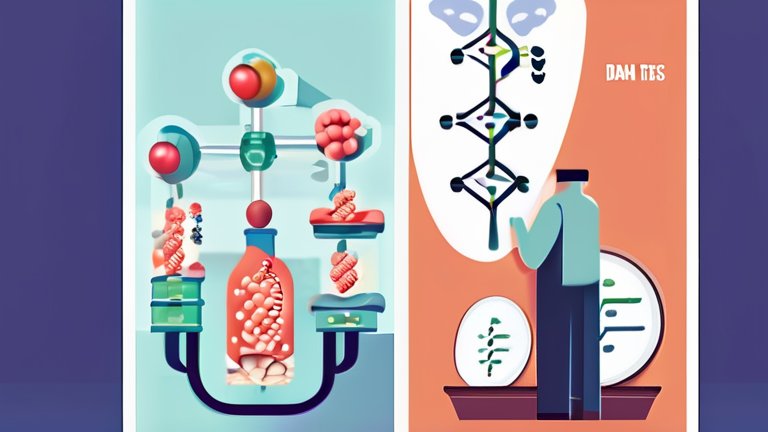
    The landscape of modern healthcare is undergoing a radical transformation, moving away from the outdated “one-size-fits-all” dietary recommendations toward highly personalized strategies driven by genetic data. At the forefront of this revolution is the integration of DNA testing into nutritional planning. By analyzing specific genetic markers related to metabolism, nutrient absorption, and food sensitivities, individuals can now tailor their diets to optimize their unique biological needs. This shift represents not just a trend, but a fundamental change in how we approach wellness, offering unprecedented opportunities for both consumers and businesses in the health sector.

    Market Analysis: A Growing Opportunity

    The global personalized nutrition market is experiencing exponential growth, projected to reach significant valuations by the end of this decade. According to recent industry reports, consumer awareness regarding the impact of genetics on health outcomes has surged, driving demand for accessible genetic testing kits. Unlike traditional diet plans that rely on generic advice, DNA-based solutions offer a scientific basis for dietary choices, appealing to health-conscious individuals seeking evidence-based results. The market is characterized by a diverse range of players, from direct-to-consumer testing companies to established healthcare providers integrating genomics into routine care. This competitive environment fosters innovation, leading to more accurate, affordable, and user-friendly products that are increasingly mainstream.

    If you want to dig deeper, check out our guide on Mental Health Apps & Wearable Biometric Data Integration.

    Strategic Insights for Businesses

    For companies entering this space, success hinges on building trust and delivering tangible value. Strategy must focus on data privacy, as consumers are increasingly concerned about how their genetic information is stored and used. Companies must invest in robust cybersecurity measures and transparent data policies to maintain consumer confidence. Furthermore, integrating genetic data with AI-driven analytics allows for dynamic, real-time dietary adjustments, enhancing user engagement. Partnerships with healthcare professionals, such as nutritionists and dietitians, are crucial for validating results and providing expert interpretation, thereby bridging the gap between raw data and actionable health advice.

    Case Studies in Success

    Several pioneering companies have already demonstrated the efficacy of this model. For instance, a leading startup partnered with major fitness chains to offer exclusive DNA-based

    Related Articles

  • 10 Lifestyle Hacks for a Healthier, Happier You in 2026

    10 Lifestyle Hacks for a Healthier, Happier You in 2026

    10 Lifestyle Hacks for a Healthier, Happier You in 2026

    As we step into 2026, the pursuit of well-being has evolved beyond simple resolutions. It is now about sustainable integration, mindful exploration, and intentional living. Whether you are looking to deepen your cultural connections, enhance your culinary experiences, or prioritize personal growth, this year offers a fresh canvas. Let’s explore ten actionable lifestyle hacks designed to nurture your mind, body, and spirit.

    1. Embrace Digital Minimalism

    If you want to dig deeper, check out our guide on Metaverse Spaces Integrate with AR Glasses.

    In an age of constant connectivity, reclaiming your attention is the ultimate luxury. Start by designating “phone-free zones” in your home, such as the bedroom or dining table. This simple boundary fosters deeper conversations and better sleep hygiene. By reducing screen time, you create space for presence, allowing you to fully engage with the world around you rather than viewing it through a lens.

    2. Cultivate a Garden of Curiosity

    Personal growth doesn’t always require a classroom. Dedicate thirty minutes each week to learning a new skill unrelated to your profession. Whether it’s learning the basics of Italian, mastering a new yoga pose, or understanding local history, curiosity keeps the brain plastic and engaged. This habit transforms mundane days into opportunities for discovery and joy.

    3. Eat the Rainbow, Locally

    Food is medicine, but it is also culture. Shift your focus from restrictive dieting to abundant nourishment. Visit local farmers’ markets to select produce that is in season. Not only does this support your community, but it also introduces variety to your plate. Try cooking one new vegetable from a different culture each month, turning meal preparation into an adventurous culinary journey.

    4. Travel Slowly

    Forget the checklist tourism of the past. In 2026, embrace “slow travel.” Instead of rushing through five cities in ten days, choose one destination and

    Related Articles

  • Personalized Nutrition: Gut Microbiome Data Guide

    Personalized Nutrition: Gut Microbiome Data Guide

    Personalized Nutrition: Gut Microbiome Data Guide

    In the rapidly evolving landscape of modern wellness, one size no longer fits all. The era of generic dietary advice is fading, replaced by a sophisticated understanding that our unique internal ecosystems dictate how we process food, manage energy, and maintain health. Enter the “Personalized Nutrition: Gut Microbiome Data Guide,” a groundbreaking digital companion that translates complex biological data into actionable, daily lifestyle recommendations. This review explores whether this tool lives up to the hype of transforming your relationship with food.

    Feature Highlights

    The core strength of this guide lies in its sophisticated algorithm, which analyzes specific markers from at-home stool test kits. Unlike generic apps, it does not merely categorize you into broad groups. Instead, it identifies specific bacterial strains such as Bacteroides and Firmicutes ratios, offering insights into your metabolic efficiency. The interface is intuitive, featuring a dashboard that visualizes your gut diversity score over time. A standout feature is the “Meal Matcher” function, which suggests recipes based on your current microbiome status. If your data indicates low diversity, the app prioritizes prebiotic-rich foods like garlic, onions, and asparagus, while providing educational context on why these specific fibers matter for your unique biology.

    If you want to dig deeper, check out our guide on Step-by-Step Tutorial: Master [Topic] in 10 Minutes.

    Furthermore, the guide includes a symptom tracker that correlates digestive issues with dietary intake. Users can log bloating, energy crashes, or sleep disturbances, and the app will highlight potential microbial triggers. This real-time feedback loop is invaluable for identifying hidden sensitivities that traditional elimination diets might take months to uncover. The integration with popular fitness trackers also allows users to see how gut health impacts their physical performance, creating a holistic view of well-being.

    Comparisons

    When compared to other popular nutrition apps like MyFitnessPal or generic probiotic supplements, the distinction is stark. MyFitnessPal focuses on caloric intake and macronutrients, ignoring the biological processing of those nutrients. Similarly, over-the-counter probiotics offer a one

    Related Articles

  • 10 Proven Health Tips to Boost Your Energy and Wellness Today

    10 Proven Health Tips to Boost Your Energy and Wellness Today

    10 Proven Health Tips to Boost Your Energy and Wellness Today

    In our fast-paced modern world, maintaining consistent energy levels and overall wellness often feels like an uphill battle. Many individuals find themselves relying on excessive caffeine or sugary snacks to get through the day, only to experience a subsequent crash. However, sustainable vitality does not require extreme measures or expensive supplements. Instead, it stems from foundational lifestyle choices supported by robust scientific evidence. By integrating simple, evidence-based habits into your daily routine, you can significantly enhance your physical and mental well-being.

    First, prioritize sleep hygiene. Research consistently shows that adults require seven to nine hours of quality sleep nightly. Poor sleep disrupts hormonal balance, affecting appetite regulation and cognitive function. Create a restful environment by keeping your bedroom cool and dark, and avoid screens at least an hour before bed. Second, focus on hydration. Even mild dehydration can lead to fatigue, reduced concentration, and headaches. Aim to drink water consistently throughout the day, rather than waiting until you feel thirsty.

    Third, incorporate movement into your daily life. You do not need to run marathons to benefit from exercise. Regular physical activity, including brisk walking or yoga, improves cardiovascular health and releases endorphins, which naturally boost mood and energy. Fourth, optimize your diet by focusing on whole foods. Prioritize vegetables, fruits, lean proteins, and healthy fats. These nutrient-dense foods provide sustained energy release, unlike refined carbohydrates that cause blood sugar spikes and crashes.

    Fifth, manage stress effectively. Chronic stress elevates cortisol levels, which can impair immune function and disrupt sleep. Practices such as mindfulness meditation, deep breathing exercises, or journaling can help regulate the nervous system. Sixth, limit caffeine intake later in the day. While morning coffee can be beneficial, consuming it after 2 PM may interfere with sleep quality, creating a vicious cycle of fatigue.

    Seventh, cultivate strong social connections. Meaningful relationships are linked to lower stress levels and longer lifespans. Schedule regular time with friends or family members who uplift and support you. Eighth, spend time in nature. Studies indicate that exposure to green spaces reduces mental fatigue and improves mood. Ninth, set realistic goals. Achieving small, manageable

    Related Articles

  • AI Agents: Autonomously Handle Complex Enterprise Workflows

    AI Agents: Autonomously Handle Complex Enterprise Workflows

    AI Agents: Autonomously Handle Complex Enterprise Workflows

    The enterprise technology landscape is undergoing a seismic shift. We are moving beyond the era of static software tools and into the age of intelligent, autonomous agents. Unlike traditional chatbots or simple automation scripts that follow rigid, pre-defined rules, AI agents possess the capability to perceive their environment, make independent decisions, and execute complex multi-step tasks with minimal human intervention. This transition is not merely a technological upgrade; it represents a fundamental restructuring of how businesses operate, scale, and compete in an increasingly digital-first world.

    Market Analysis: The Rise of Autonomous Intelligence

    The market for AI agents is expanding at a unprecedented pace. Recent industry reports indicate that the global AI agent market is projected to grow from billions to tens of billions of dollars within the next five years. This explosion is driven by the convergence of Large Language Models (LLMs), improved reasoning capabilities, and robust integration frameworks. Enterprises are no longer asking if they should adopt AI, but rather how to integrate autonomous agents into their core operational workflows. The demand is particularly strong in sectors with high-volume, repetitive, yet complex decision-making processes, such as finance, healthcare, and supply chain logistics. Investors are pouring capital into startups specializing in agentic workflows, signaling a strong belief that autonomy is the next major frontier in enterprise software.

    If you want to dig deeper, check out our guide on Top Tech Trends 2024: What You Need to Know Now.

    Strategic Insights: From Automation to Orchestration

    For business leaders, the strategy for deploying AI agents must be nuanced. It is not enough to simply deploy a bot; organizations must focus on orchestration. Successful implementation requires a clear mapping of which workflows are suitable for autonomy. Routine data entry and simple query responses are no longer the primary targets. Instead, companies should target complex, multi-stage processes that require reasoning, such as contract review, customer dispute resolution, or dynamic inventory management. A key strategic insight is the need for “human-in-the-loop” systems initially. Agents should be designed to escalate ambiguous or high

    Related Articles

  • How AI Agents Automate Enterprise Workflows

    How AI Agents Automate Enterprise Workflows

    How AI Agents Automate Enterprise Workflows

    In the rapidly evolving landscape of modern business, efficiency is no longer just a competitive advantage; it is a survival imperative. As organizations grapple with increasing operational complexity, the integration of intelligent systems has become paramount. This review explores how AI agents are revolutionizing enterprise workflows, transforming static processes into dynamic, self-optimizing ecosystems that drive unprecedented growth and agility.

    At the core of this transformation is the ability of AI agents to perform complex tasks autonomously. Unlike traditional automation tools that follow rigid, pre-defined scripts, AI agents possess the cognitive flexibility to adapt to changing circumstances. They can interpret natural language, analyze vast datasets, and make nuanced decisions in real-time. This capability allows enterprises to offload repetitive, mundane tasks to intelligent software, freeing human employees to focus on strategic initiatives that require creativity and emotional intelligence.

    If you want to dig deeper, check out our guide on Urban Farming Adopting Vertical Hydroponics: A Guide.

    When comparing AI agents to legacy automation solutions, the differences are stark. Traditional robotic process automation (RPA) often struggles with unstructured data and requires significant manual maintenance whenever a process changes. In contrast, AI agents leverage machine learning models to continuously improve their performance. They can handle exceptions gracefully, learning from past interactions to optimize future outcomes. This reduces the total cost of ownership and minimizes the risk of system failures due to minor process variations.

    Key feature highlights include seamless integration with existing enterprise resource planning (ERP) systems, predictive analytics for proactive decision-making, and robust security protocols that ensure data privacy. Furthermore, these agents provide detailed audit trails, enhancing compliance and transparency across all automated processes. Businesses report significant reductions in processing times, with some workflows accelerating by up to 70%. This surge in productivity not only lowers operational costs but also enhances customer satisfaction through faster response times and more personalized service interactions.

    However, implementing AI agents requires careful planning and a clear understanding of organizational needs. It is essential to select solutions that offer scalability and robust support. Companies must also invest in training their workforce to collaborate effectively with these new

    Related Articles

  • Vertical Farming Feeds Urban Megacities: A Future Guide

    Vertical Farming Feeds Urban Megacities: A Future Guide

    Vertical Farming Feeds Urban Megacities: A Future Guide

    Imagine standing on the rooftop of a fifty-story skyscraper in Shanghai, Tokyo, or New York. Instead of the usual concrete expanse or a tired garden of ornamental flowers, you are surrounded by cascading layers of emerald greens, vibrant reds, and lush herbs. This is not a scene from a distant sci-fi novel; it is the emerging reality of vertical farming. As our urban centers swell with unprecedented population densities, the traditional model of agriculture—requiring vast tracts of arable land far from city centers—is becoming increasingly untenable. Vertical farming offers a revolutionary solution, blending technology, sustainability, and culinary innovation into a single, stunning package.

    The Intersection of Architecture and Agriculture

    Vertical farming is more than just growing plants indoors; it is a fundamental reimagining of how we produce food. By utilizing controlled environment agriculture (CEA), farmers can grow crops in stacked layers, often in repurposed warehouses or integrated directly into building structures. These systems rely on hydroponics, aeroponics, or aquaponics, using significantly less water than traditional farming while eliminating the need for pesticides. The result is produce that is fresher, safer, and available year-round, regardless of external weather conditions. For the urban dweller, this means access to high-quality nutrition that was previously impossible to source locally.

    If you want to dig deeper, check out our guide on Boost Rural Economies: How Remote Work Hubs Are Expanding.

    A Culinary Revolution for the City Diner

    For the modern food enthusiast, vertical farming represents a new frontier of flavor and texture. Chefs in major metropolitan areas are beginning to partner directly with local vertical farms, creating menus that highlight the unique taste profiles of hyper-local produce. Herbs picked minutes before they hit your plate offer an intensity of aroma and flavor that supermarket greens simply cannot match. Imagine a salad where the lettuce is crisp, the spinach is vibrant, and the microgreens are bursting with nutrient-dense goodness, all harvested from a facility just blocks away from your restaurant. This shift not only enhances the dining experience but also reduces the carbon footprint associated with long-distance transportation.

    Cultural Shifts and Personal Growth

    Related Articles

  • Top 10 Tech Trends Transforming Business in 2026

    Top 10 Tech Trends Transforming Business in 2026

    Top 10 Tech Trends Transforming Business in 2026

    The technological landscape of 2026 is defined by a rapid convergence of artificial intelligence, sustainable computing, and immersive digital experiences. Businesses across the globe are no longer just adopting these tools; they are fundamentally restructuring their operational models around them. From generative AI reshaping customer service to edge computing enhancing real-time decision-making, the following trends are setting the standard for competitive advantage in the modern enterprise.

    If you want to dig deeper, check out our guide on 7 Proven SEO Strategies to Boost Your Business Traffic in 20.

    1. Generative AI Integration

    Generative AI has moved beyond hype into practical application. Companies are deploying large language models to automate content creation, code generation, and complex data analysis. The key development here is the shift from experimental pilots to production-ready systems that integrate seamlessly with existing enterprise workflows, significantly reducing operational costs.

    2. Edge Computing Expansion

    With the explosion of IoT devices, latency is becoming a critical bottleneck. Edge computing processes data closer to where it is generated, rather than relying on centralized cloud servers. This trend is vital for industries like autonomous manufacturing and remote healthcare, where milliseconds can determine the success of an operation. New specifications in 5G infrastructure are further accelerating this shift.

    3. Sustainable Technology (Green IT)

    Regulatory pressure and consumer demand are driving the adoption of green IT solutions. Businesses are optimizing data center energy efficiency through advanced cooling techniques and renewable energy sources. Furthermore, software optimization is being prioritized to reduce the carbon footprint of digital operations, marking a significant shift in corporate responsibility metrics.

    4. Quantum Computing Readiness

    While still in early stages, quantum computing is making headways in pharmaceutical research and financial modeling. Major tech firms are offering cloud-based quantum access, allowing

    Related Articles