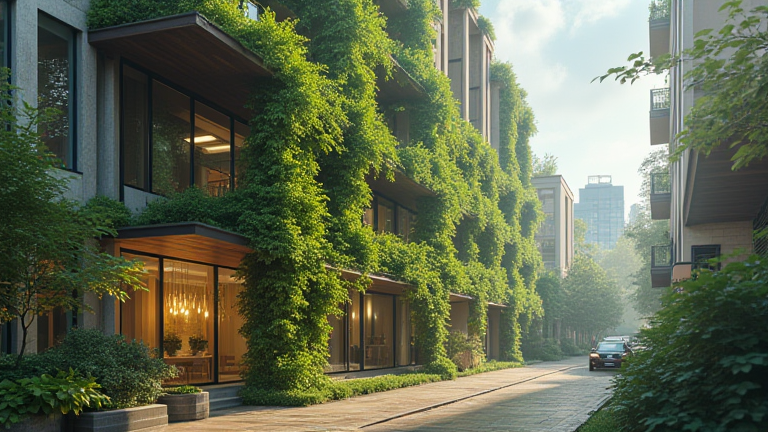
Urban Farming Adopting Vertical Hydroponics: A Guide
As urban populations swell and arable land shrinks, the convergence of agriculture and technology has given rise to a revolutionary solution: vertical hydroponics. This method, which stacks crops in vertically inclined layers using nutrient-rich water solutions rather than soil, is no longer a niche experiment but a mainstream industrial strategy. For city planners, investors, and tech enthusiasts, understanding the mechanics and implications of this shift is crucial. The latest developments in this sector are not just about growing food; they are about redefining the relationship between metropolitan areas and their food supply chains.
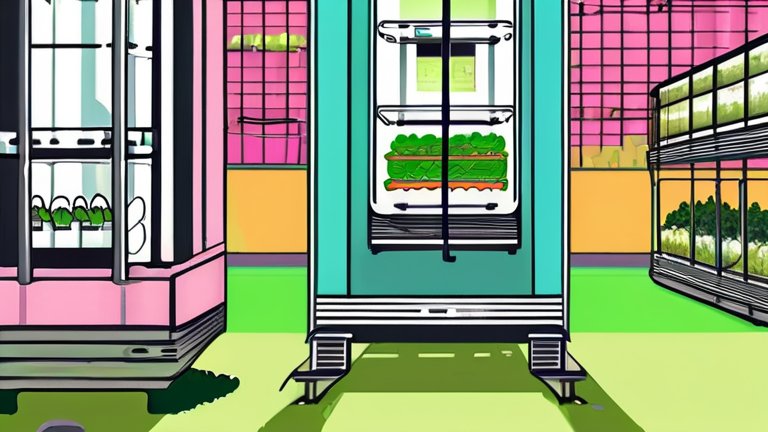
At the core of this revolution is the optimization of space and resources. Traditional farming requires vast tracts of land and significant water volumes. In contrast, vertical hydroponic systems can produce up to thirty times more produce per square foot than conventional field agriculture. Recent advancements in LED lighting technology have further enhanced this efficiency. Full-spectrum LEDs, tuned specifically to the photosynthetic needs of various crops, reduce energy consumption by twenty percent compared to older metal halide systems while accelerating growth rates. These lights are now integrated with smart sensors that adjust intensity and duration in real-time based on plant health data, ensuring optimal yield with minimal human intervention.
If you want to dig deeper, check out our guide on Boost Rural Economies: How Remote Work Hubs Are Expanding.
Technical Specifications and Innovations
Modern vertical farming units are equipped with sophisticated environmental control systems. These systems monitor and regulate temperature, humidity, carbon dioxide levels, and nutrient pH with precision. The nutrient delivery systems have evolved from simple drip feeds to aeroponic misting, where roots are suspended in air and sprayed with a fine mist of nutrients. This method uses ninety-five percent less water than traditional farming and reduces the risk of soil-borne diseases. Furthermore, the integration of Internet of Things (IoT) devices allows for remote monitoring and control via mobile applications, enabling farmers to manage multiple facilities from anywhere in the world. Automation robots are also being deployed for seeding, harvesting, and packaging, significantly reducing labor costs and increasing operational consistency.
Industry Impact and Future Outlook
The impact on the global food industry is profound. By locating farms within or near urban centers, vertical hydropon
Leave a Reply