Vertical Farming Feeds Urban Megacities: A Future Guide
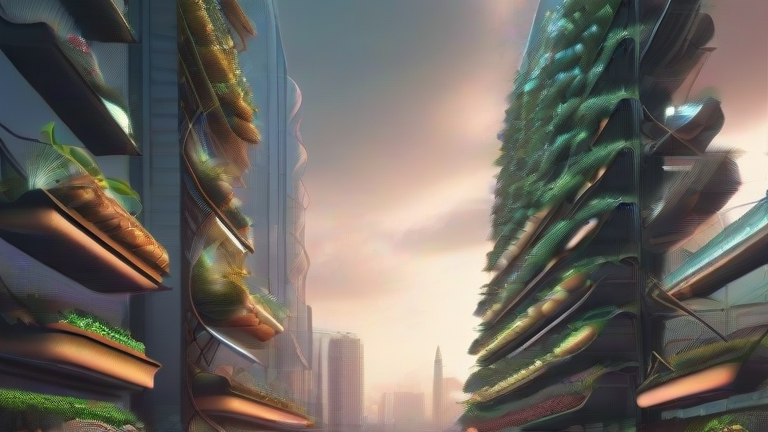
Imagine standing on the rooftop of a fifty-story skyscraper in Shanghai, Tokyo, or New York. Instead of the usual concrete expanse or a tired garden of ornamental flowers, you are surrounded by cascading layers of emerald greens, vibrant reds, and lush herbs. This is not a scene from a distant sci-fi novel; it is the emerging reality of vertical farming. As our urban centers swell with unprecedented population densities, the traditional model of agriculture—requiring vast tracts of arable land far from city centers—is becoming increasingly untenable. Vertical farming offers a revolutionary solution, blending technology, sustainability, and culinary innovation into a single, stunning package.
The Intersection of Architecture and Agriculture
Vertical farming is more than just growing plants indoors; it is a fundamental reimagining of how we produce food. By utilizing controlled environment agriculture (CEA), farmers can grow crops in stacked layers, often in repurposed warehouses or integrated directly into building structures. These systems rely on hydroponics, aeroponics, or aquaponics, using significantly less water than traditional farming while eliminating the need for pesticides. The result is produce that is fresher, safer, and available year-round, regardless of external weather conditions. For the urban dweller, this means access to high-quality nutrition that was previously impossible to source locally.
If you want to dig deeper, check out our guide on Boost Rural Economies: How Remote Work Hubs Are Expanding.
A Culinary Revolution for the City Diner
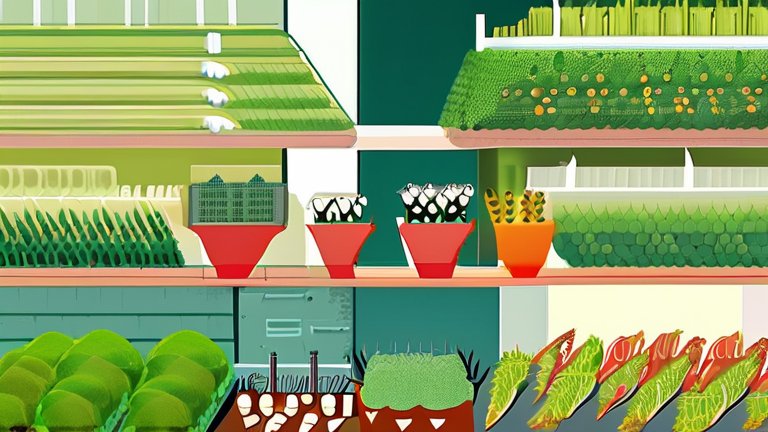
For the modern food enthusiast, vertical farming represents a new frontier of flavor and texture. Chefs in major metropolitan areas are beginning to partner directly with local vertical farms, creating menus that highlight the unique taste profiles of hyper-local produce. Herbs picked minutes before they hit your plate offer an intensity of aroma and flavor that supermarket greens simply cannot match. Imagine a salad where the lettuce is crisp, the spinach is vibrant, and the microgreens are bursting with nutrient-dense goodness, all harvested from a facility just blocks away from your restaurant. This shift not only enhances the dining experience but also reduces the carbon footprint associated with long-distance transportation.
Leave a Reply