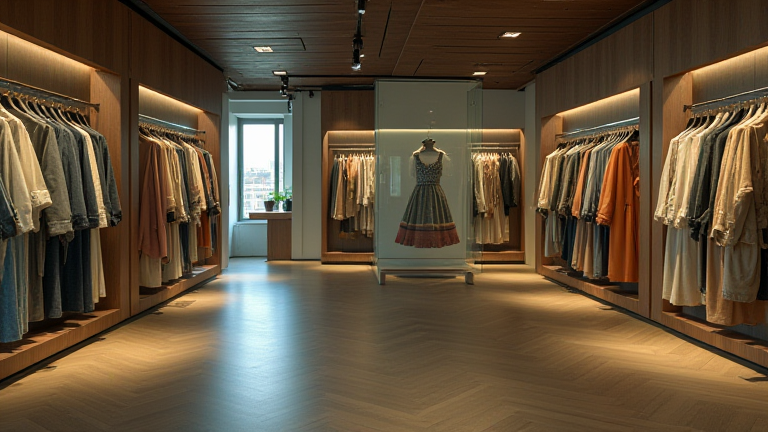
How Circular Economy Principles Drive Retail Sustainability
In the modern retail landscape, the concept of sustainability has evolved far beyond simple recycling bins at checkout counters. It now encompasses a fundamental shift toward the circular economy, a regenerative system that minimizes waste and maximizes resource efficiency. For health-conscious consumers, understanding this shift is not just about environmental ethics; it is about personal well-being. The circular economy reduces the proliferation of harmful microplastics and toxic chemicals often found in linear “take-make-dispose” manufacturing processes. By supporting retailers who prioritize repair, reuse, and recycling, consumers actively participate in a cleaner, safer ecosystem that directly benefits their physical health.

If you want to dig deeper, check out our guide on Top 10 Tech Trends Shaping 2024: What You Need to Know.
The Health Impact of Linear Consumption
Traditional retail models rely on rapid production cycles that often utilize low-quality materials and hazardous substances. Research indicates that fast fashion and disposable goods contribute significantly to indoor air pollution and water contamination, both of which are linked to respiratory issues, hormonal disruptions, and long-term chronic diseases. When we buy less and choose items designed for longevity, we reduce our exposure to these environmental toxins. Science-backed studies suggest that reducing household clutter and opting for high-quality, durable goods can lower cortisol levels, reducing stress and promoting mental clarity. The circular approach encourages mindful consumption, fostering a lifestyle where every purchase is intentional and beneficial.
Lifestyle Tips for Embracing Circular Wellness
Integrating circular economy principles into your daily routine is simpler than you might think. Start by auditing your current purchases. Ask yourself: Is this item designed to last? Can it be repaired if broken? Choosing second-hand or refurbished goods not only reduces waste but often provides higher-quality materials, such as natural fibers in clothing or solid wood in furniture, which are safer for your home environment.
Another effective strategy is to engage with brands that offer take-back programs. Many retailers now accept old electronics, clothing, or packaging for recycling or upcycling. This ensures that materials are kept in use rather than ending up in landfills where they release methane and leach toxins into the soil. Additionally, consider adopting a “repair culture” in your household
Leave a Reply