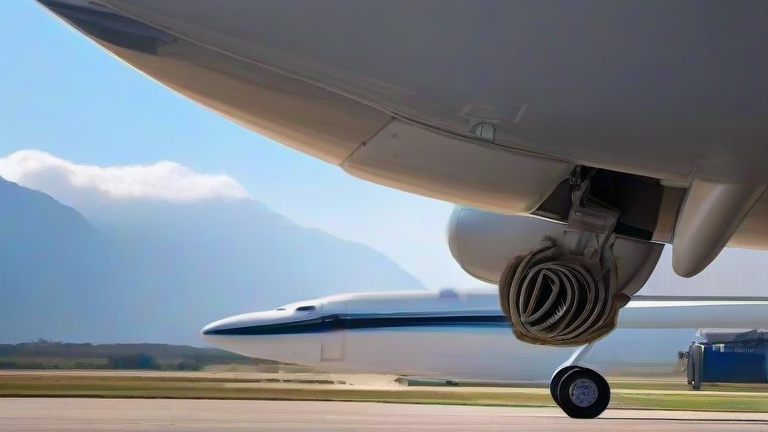
Sustainable Aviation Fuel Replaces Jet Kerosene

The sky above our heads has long been a symbol of freedom, connection, and the thrill of discovery. For decades, the hum of jet engines has been the soundtrack of global exploration, carrying us across continents to witness ancient ruins, taste exotic cuisines, and meet people whose lives differ vastly from our own. Yet, this convenience has carried a heavy carbon footprint. Today, a quiet revolution is taking place in the skies, one that promises to preserve the joy of travel while healing the planet. Sustainable Aviation Fuel, or SAF, is no longer a niche experiment; it is rapidly replacing traditional jet kerosene, offering a cleaner path forward for the global travel industry.
SAF is produced from renewable resources such as used cooking oil, agricultural waste, and even municipal solid waste. Unlike fossil fuels, which release carbon that has been locked away for millions of years, SAF utilizes carbon that is already part of the active cycle. The result is a significant reduction in lifecycle greenhouse gas emissions, potentially up to eighty percent compared to conventional fuels. This shift is not just about environmental compliance; it is about preserving the destinations we love. Imagine flying over the Great Barrier Reef or the Amazon rainforest with the knowledge that your journey contributed less to the very climate threats endangering these wonders.
For the modern traveler, this transition offers a profound sense of personal growth. We are increasingly aware that our choices ripple outward. Choosing airlines that prioritize SAF is a tangible way to align our values with our actions. It transforms a flight from a mere transaction into an act of stewardship. This mindset extends beyond the airport. It encourages us to think locally when we travel. Upon arrival, we can support local economies by dining at restaurants that use regional, sustainable ingredients, further reducing the carbon impact of our culinary adventures.
The cultural exchange that travel facilitates becomes richer when we know we are protecting the world that enables it. We can engage more deeply with local communities, understanding their struggles and triumphs in the face of climate change. This awareness fosters empathy and humility, core components of personal development. As we land, we carry not just souvenirs, but a renewed commitment to responsible living.
The future of travel is
Leave a Reply