Space Tourism: Civilian Suborbital Trips Explained
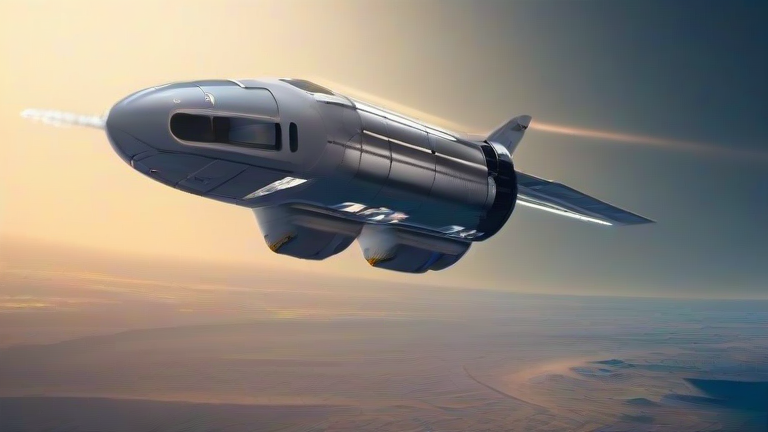
The dream of leaving Earth’s atmosphere has transitioned from science fiction to a tangible, albeit exclusive, commercial reality. Suborbital space tourism represents the vanguard of this new aerospace economy, offering civilians a brief but profound glimpse of the “Overview Effect.” Unlike orbital tourism, which requires sustained propulsion to maintain orbit around the planet, suborbital flights follow a ballistic trajectory. Passengers reach the Kármán line, the boundary of space, experience a few minutes of weightlessness, and then return to Earth via parachute or powered landing. This model significantly reduces complexity and cost compared to orbital missions, making it the logical entry point for the commercial space industry.
Market Analysis: A Niche with High Growth Potential
The current market for space tourism is characterized by extreme exclusivity. The target demographic consists of ultra-high-net-worth individuals (UHNWIs) who view space travel not merely as transportation, but as a transformative luxury experience. Current pricing models range from $250,000 to $500,000 per seat, positioning these trips alongside private jet charters and superyacht rentals rather than traditional airline tickets. Despite the high price tag, demand has outstripped supply, with companies like Blue Origin and Virgin Galactic reporting years-long waiting lists.
From an economic perspective, the suborbital market is a high-margin, low-volume sector. It serves as a testing ground for reusable rocket technology, where the cost savings from reusing boosters can eventually trickle down to consumer prices. Analysts predict that as technology matures and competition increases, prices could drop by up to fifty percent within the next decade, potentially opening the market to the upper-middle class. However, regulatory hurdles, safety standards, and environmental concerns remain significant barriers to rapid mass adoption. The market is currently driven by brand prestige and the novelty of the experience rather than practical utility.
Strategy Insights: Differentiation Through Safety and Experience
For aerospace startups, the primary strategic challenge is not just engineering, but trust-building. Safety is the paramount concern for
Leave a Reply