Scaling Sustainable Protein Production with Synthetic Biology
The global demand for protein is rising rapidly, straining traditional agricultural systems and contributing significantly to greenhouse gas emissions. Synthetic biology offers a transformative solution by engineering microorganisms to produce high-quality proteins efficiently and sustainably. This guide provides a structured approach to leveraging these advanced biological tools for scalable production, ensuring environmental stewardship while meeting nutritional needs.
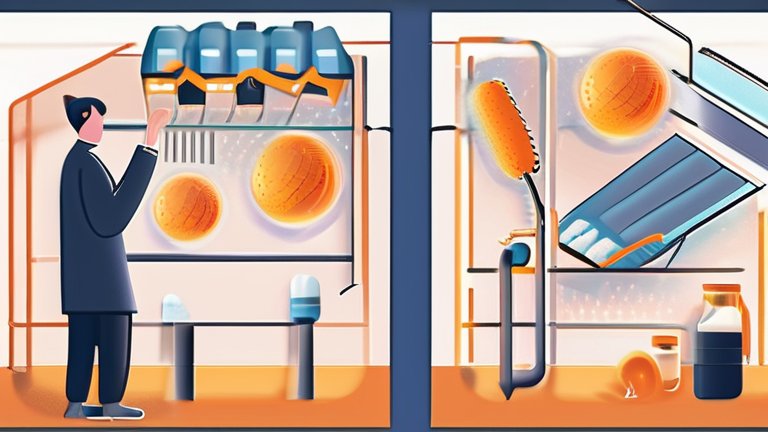
Step 1: Define Your Protein Target and Pathway
Begin by identifying the specific protein you wish to produce, such as whey, soy, or novel functional proteins. Analyze its amino acid sequence and desired functional properties. Next, design a metabolic pathway within a host organism, typically yeast or bacteria, that maximizes yield while minimizing energy expenditure. Use computational modeling software to simulate metabolic flux and predict bottlenecks before beginning experimental work.
If you want to dig deeper, check out our guide on Urban Farming Adopting Vertical Hydroponics: A Guide.
Step 2: Select and Engineer the Host Organism
Choose a robust host strain like Saccharomyces cerevisiae or E. coli that is well-understood and safe for industrial use. Employ CRISPR-Cas9 or other gene-editing technologies to insert the synthetic genes responsible for protein synthesis. Ensure that the host can handle the metabolic load without suffering from toxicity or growth inhibition. Optimize codon usage to match the host’s translational machinery, enhancing expression levels significantly.
Step 3: Optimize Fermentation Conditions
Scale up from laboratory flasks to pilot bioreactors. Carefully control parameters such as temperature, pH, dissolved oxygen, and nutrient feed rates. Implement fed-batch strategies to maintain optimal growth phases and prevent substrate inhibition. Continuous monitoring using real-time sensors allows for immediate adjustments, ensuring consistent protein quality and high titers
Leave a Reply