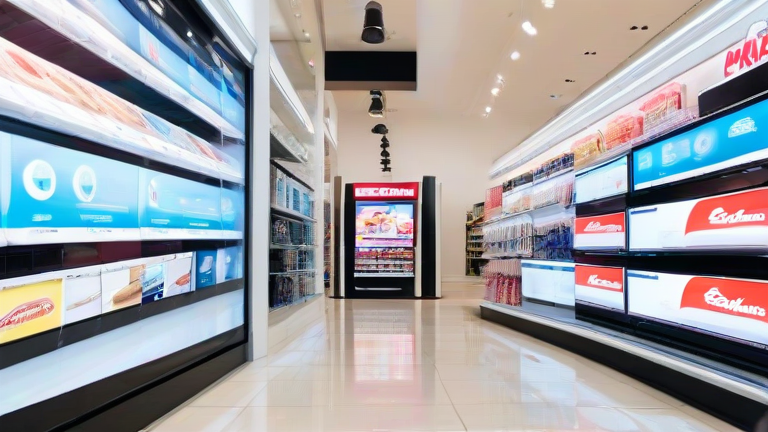
TL;DR: Brands are shifting ad dollars away from traditional display and social channels toward retail media networks—advertising placed directly on retailers’ websites, apps, and in-store screens—because these platforms connect ads to actual purchase data. This shift is reshaping budgets by prioritizing measurable, point-of-sale conversions over broad brand awareness.
The End of Guesswork
For decades, consumer brands treated advertising like a game of educated guessing. A food company might spend millions on a television spot, then wait weeks for sales data to trickle in. Retail media has upended that model. When a grocery chain sells ad space on its own app or website, the advertiser knows exactly who is browsing, what they’ve bought before, and whether the ad led to a purchase within minutes. It’s the closest thing to a closed loop that marketing has ever had.
If you want to dig deeper, check out our guide on How Shopify Merchants Can Boost AOV With Cross-Sells.
This precision is why retail media has become one of the fastest-growing segments in advertising. Brands that once allocated the bulk of their budgets to social platforms are now carving out significant portions for retailer-owned channels, where the path from impression to checkout is measured in clicks rather than weeks.
A Travel-Inspired Shift
Consider how a traveler plans a trip. They browse airline sites, hotel booking platforms, and travel retail apps—each one a potential advertising surface. Airlines and hospitality brands have noticed. By placing targeted ads within their own booking ecosystems, they can promote upgrades, partner restaurants, or destination experiences to people already in a buying mindset. For a food brand, this might mean appearing in a meal-kit retailer’s app right as a customer assembles their weekly order. The result is advertising that feels less like interruption and more like a helpful suggestion at the right moment.
Culture and Personal Growth
Retail media is also changing how smaller, culturally rooted brands reach audiences. A specialty spice company or an independent coffee roaster can now advertise directly on the platforms where their customers already shop, without competing for attention on crowded social feeds. For consumers, this means discovering niche products that align with their values—sustainability, heritage, craft—at the exact moment they’re making a purchase decision. It’s a quieter, more intentional form of advertising, one that rewards relevance over volume.
For marketers, the personal growth lesson is clear: the days of spraying ads broadly and hoping for the best are fading. Retail media demands that brands understand their customers deeply and show up with something genuinely useful. Budgets follow results, and results follow relevance.
FAQ
Q: What exactly is retail media?
A: Retail media refers to advertising space sold by retailers on their own digital properties—such as websites, apps, and in-store screens—allowing brands to reach shoppers at or near the point of purchase.
Q: Why are brands moving budgets away from social media?
A: Retail media offers closed-loop measurement, meaning brands can directly link ad exposure to actual sales, whereas social platforms often struggle to prove that connection.
Q: Does retail media benefit smaller brands?
A: Yes. It lets niche and independent brands target highly relevant shoppers on retail platforms without competing for attention in crowded social feeds, often at lower cost.
Leave a Reply