
Blog

  • Carbon Capture Tech Scales for Industrial Use

    Carbon Capture Tech Scales for Industrial Use

    Carbon Capture Tech Scales for Industrial Use

    The race to net zero has entered a critical new phase. For years, carbon capture, utilization, and storage (CCUS) technology was viewed as a promising but expensive niche solution, largely confined to pilot projects and laboratory settings. However, 2024 marks a definitive turning point. Major industrial players are no longer just testing the waters; they are deploying large-scale infrastructure capable of handling millions of tons of CO2 annually. This shift from experimental to operational is driven by stringent regulatory frameworks, falling technology costs, and a surge in private investment aimed at decarbonizing heavy industry.
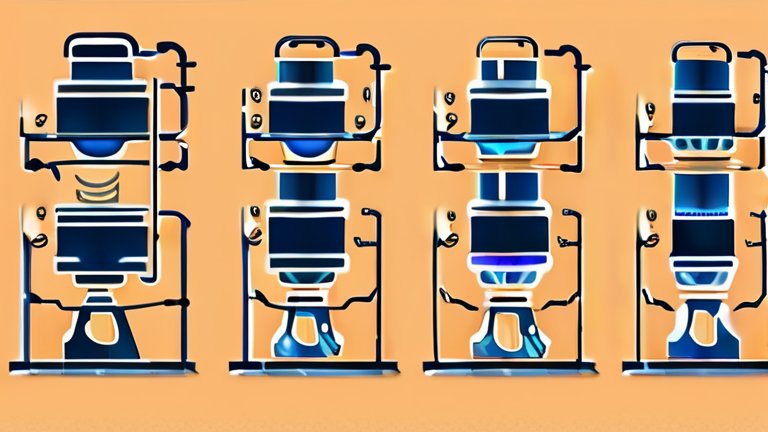
    Recent developments in direct air capture (DAC) and point-source capture systems have yielded impressive specifications that challenge previous skepticism. The latest generation of modular capture units can process up to 10,000 metric tons of CO2 per year, a significant jump from the hundreds of tons typical just five years ago. These systems utilize advanced amine-based solvents and novel metal-organic frameworks (MOFs) that increase absorption efficiency by 30% while reducing energy consumption by nearly half. Furthermore, new integration methods allow these units to be retrofitted onto existing cement, steel, and ammonia plants with minimal operational downtime, a crucial factor for industry adoption.

    If you want to dig deeper, check out our guide on 10 Simple Lifestyle Habits to Boost Your Daily Well-Being.

    The industrial impact of this scaling is profound. Sectors that have long been considered “hard-to-abate” are now finding viable pathways to reduce their carbon footprints. In the cement industry, which accounts for approximately 8% of global CO2 emissions, new capture modules are being installed directly onto kiln exhaust streams. Similarly, the steel sector is partnering with energy firms to capture emissions from blast furnaces, turning waste gas into a feedstock for synthetic fuels or permanent geological storage. This not only helps companies meet compliance targets but also creates new revenue streams through carbon credits and the sale of captured CO2 for enhanced oil recovery or industrial applications.

    Despite these advancements, challenges remain. The primary hurdle is still cost. While prices are dropping, capturing and storing carbon


    Related Articles

  • Electric Aviation Takes Off Soon: The Future of Flight

    Electric Aviation Takes Off Soon: The Future of Flight

    Electric Aviation Takes Off Soon: The Future of Flight

    The hum of a jet engine is no longer the only soundtrack to modern travel. For decades, the roar of combustion engines has defined the experience of flying, symbolizing speed, distance, and the sheer magnitude of human engineering. But as we stand on the precipice of a new era, that roar is slowly being replaced by a near-silent whir. Electric aviation is not just a futuristic concept; it is an imminent reality that promises to reshape how we travel, eat, and connect with our destinations. This shift is more than just environmental; it is a fundamental change in the lifestyle and culture of global tourism.

    Imagine arriving in the Swiss Alps or the lush valleys of Costa Rica. Instead of the exhaust fumes and deafening noise that typically disrupt the tranquility of these pristine landscapes, you are greeted by the gentle breeze and the chirping of birds. Electric aircraft, powered by high-density batteries and advanced propulsion systems, produce zero emissions during flight. This silent arrival transforms the arrival experience. The stress of landing, often exacerbated by noise and turbulence from larger jets, is replaced by a smooth, quiet descent. For the traveler seeking peace and personal growth, this change is profound. The journey itself becomes part of the destination’s calm, allowing you to transition from the chaos of daily life to the serenity of your holiday before you even step off the plane.

    If you want to dig deeper, check out our guide on 7 Science-Backed Health Tips to Boost Energy & Immunity Toda.

    This technological leap also impacts the culinary and cultural experiences of travel. Smaller, electric regional aircraft can access remote airstrips that are currently inaccessible to large commercial jets. This opens up previously isolated communities to global tourism, bringing economic benefits to rural areas while allowing travelers to experience authentic, local cultures. You are no longer just visiting a tourist hub; you are stepping into the heart of a village, sharing meals with locals, and participating in traditions that were once hidden away. The food you eat becomes fresher, sourced directly from the land you are flying over, and the cultural exchange is deeper, more intimate, and more respectful.

    Ultimate Step-by-Step Tutorial: How to Master [Topic] in 202

  • Global Scaling of Sustainable Aviation Fuel (SAF)
  • Longevity Clinics Offer Genetic Age Reversal

    Longevity Clinics Offer Genetic Age Reversal

    Longevity Clinics Offer Genetic Age Reversal

    Imagine waking up in a sun-drenched courtyard in Tuscany, the air thick with the scent of rosemary and earth, yet feeling not a day older than you did a decade ago. This is no longer the stuff of science fiction; it is the emerging reality of the global longevity movement. We are witnessing a paradigm shift where the pursuit of wellness has evolved from simple maintenance to active, biological rejuvenation. At the forefront of this revolution are exclusive longevity clinics scattered across serene landscapes, offering treatments that promise to not just slow down time, but to reverse its biological markers.

    If you want to dig deeper, check out our guide on Digital Detox Retreats: Why They’re Surging in Popularity.

    These destinations are not merely medical spas; they are sanctuaries of scientific innovation nestled in culturally rich environments. Picture a facility in Kyoto, where ancient meditation practices meet cutting-edge genomic sequencing. Here, guests do not just undergo blood tests; they engage in a holistic journey that intertwines personal growth with biological optimization. The experience begins with a comprehensive genetic analysis, identifying specific epigenetic clocks that dictate your biological age rather than your chronological one. This data drives a personalized protocol involving senolytics, peptide therapy, and hyperbaric oxygen treatments, all administered in a setting that prioritizes mental tranquility.

    The culinary aspect of these retreats is equally transformative. Food is no longer just fuel; it is medicine. Chefs at these clinics craft meals based on your genetic predispositions, focusing on anti-inflammatory ingredients like wild-caught salmon, organic kale, and rare herbs known for their cellular repair properties. Dining becomes a cultural immersion, where every bite is designed to reduce oxidative stress and enhance mitochondrial function. You might find yourself sharing a meal with fellow travelers from around the world, bonding over shared goals of vitality while discussing the latest breakthroughs in regenerative medicine.

    This fusion of travel, culture, and science offers a profound angle on personal growth. It challenges our perception of aging, shifting it from a decline to be feared to a process to be optimized. By investing in your biological age, you are investing in more years of life, but more importantly, more life

    Related Articles

  • AI Agents Replace Junior Developers in Coding Tasks

    AI Agents Replace Junior Developers in Coding Tasks

    AI Agents Replace Junior Developers in Coding Tasks

    Visual representation of AI agents coding

    The landscape of software engineering is shifting rapidly. Artificial Intelligence agents are no longer just autocomplete tools; they are autonomous entities capable of writing, testing, and deploying code. For businesses and senior engineers, integrating these agents can significantly reduce the dependency on junior developers for routine tasks. This guide outlines how to effectively implement AI agents to handle coding responsibilities.

    Step 1: Define Scope and Boundaries

    Before deploying an AI agent, clearly define which tasks it will handle. Start with low-risk, repetitive tasks such as writing unit tests, generating boilerplate code, or creating documentation. Avoid handing over critical architecture decisions or complex business logic to the agent initially. This ensures that the agent operates within safe parameters while you monitor its performance and accuracy.

    If you want to dig deeper, check out our guide on Step-by-Step Tutorial: Master [Topic] in 10 Minutes.

    Step 2: Select the Right Tooling

    Choose an AI platform that integrates seamlessly with your existing development environment. Popular options include GitHub Copilot, Amazon CodeWhisperer, or specialized autonomous agents like Devin. Ensure the tool supports your primary programming languages and frameworks. Integration with your IDE (Integrated Development Environment) is crucial for a smooth workflow, allowing developers to review and approve code changes in real-time.

    Step 3: Establish a Review Protocol

    While AI agents can replace junior developers in execution, human oversight remains vital. Implement a strict code review process where senior developers validate the AI-generated code for security vulnerabilities, performance issues, and adherence to coding standards. Treat the AI as a junior developer who needs supervision. Regular audits will help identify patterns in errors and improve the agent’s future outputs.

    Step 4: Iterate and Train

    Use feedback loops to enhance the agent’s performance. When the agent makes a mistake, document the error and adjust the prompts or constraints accordingly. Over time, the agent will learn your team’s specific coding conventions and project structures, becoming more effective and reliable. This continuous improvement process is essential for maximizing the value of AI integration.

    <p

    Related Articles

  • Real-Time Microbiome Scanning for Personalized Nutrition

    Real-Time Microbiome Scanning for Personalized Nutrition

    Real-Time Microbiome Scanning for Personalized Nutrition

    The human gut microbiome is a complex ecosystem that plays a pivotal role in metabolism, immunity, and overall health. Traditional dietary advice often relies on generalized guidelines, but emerging technology now allows for real-time microbiome scanning. This guide will walk you through the process of utilizing non-invasive biosensors to tailor your nutrition precisely to your biological needs.

    A sleek, wearable biosensor device attached to the arm

    Step 1: Acquire and Calibrate Your Device

    Begin by selecting a reputable wearable biosensor capable of continuous glucose monitoring combined with microbial metabolite detection. Unbox the device and follow the manufacturer’s instructions for initial calibration. Most devices require a baseline reading taken in a fasting state. Ensure your skin is clean and dry before applying the sensor patch to the upper arm or abdomen. This step is crucial for establishing an accurate baseline of your metabolic and microbial activity.

    If you want to dig deeper, check out our guide on Boost Rural Economies: How Remote Work Hubs Are Expanding.

    Step 2: Establish Your Baseline Metrics

    Before introducing new dietary variables, spend 48 hours wearing the device under normal conditions. Record your standard meals, sleep patterns, and activity levels. The device will sync with a companion mobile application, generating a comprehensive dashboard of your gut health indicators. Pay close attention to the “Microbial Diversity Index” and “Post-Prandial Inflammation Markers” displayed on the screen. These metrics serve as your personal reference points for future nutritional adjustments.

    Smartphone screen showing microbiome data dashboard

    Step 3: Conduct Controlled Dietary Challenges

    To identify specific food sensitivities or beneficial nutrients, introduce one new food item per day. For example, consume a high-fiber meal on Monday and a high-protein meal on Tuesday. Observe the real-time fluctuations in your microbiome activity. A sharp spike in inflammation markers may indicate intolerance, while a stable or improving diversity index suggests the food is beneficial. Document these responses in the app’s journal feature to build a personalized food map.

    Step 4: Optimize Your Daily Menu</h

    Related Articles

  • AI Agents Automate Enterprise Workflows: Boost Efficiency Today

    AI Agents Automate Enterprise Workflows: Boost Efficiency Today

    AI Agents Automate Enterprise Workflows: Boost Efficiency Today

    The enterprise landscape is undergoing a seismic shift. For decades, automation was limited to rigid, rule-based scripts that struggled with nuance or unexpected variables. Today, Artificial Intelligence Agents are redefining operational excellence. These autonomous software entities do not merely follow instructions; they perceive, reason, and act to complete complex tasks independently. As organizations grapple with rising operational costs and talent shortages, integrating AI agents into core workflows has transitioned from a futuristic concept to an immediate strategic imperative.

    Market Analysis: The Rapid Rise of Autonomous Automation

    Recent market data indicates that the global AI agent market is poised for exponential growth, projected to reach significant valuations by the end of the decade. Industry analysts predict that by 2026, over 30% of large enterprises will have deployed AI agents for at least one operational process, up from less than 5% today. This surge is driven by the maturation of Large Language Models (LLMs) and the decreasing cost of cloud computing infrastructure. Businesses are no longer just testing these technologies; they are scaling them across finance, HR, and customer support departments. The market demand is fueled by the tangible ROI seen in reduced error rates and accelerated decision-making cycles. Companies that fail to adopt these technologies risk falling behind competitors who are leveraging autonomous agents for real-time agility and precision.

    If you want to dig deeper, check out our guide on Mental Health Apps & Wearable Biometric Data Integration.

    Strategic Insights for Implementation

    Successful integration of AI agents requires more than just purchasing software; it demands a holistic strategic approach. First, enterprises must identify high-friction, repetitive workflows where human error is costly or time-consuming. Second, a robust governance framework is essential. Since AI agents act autonomously, clear boundaries and oversight mechanisms must be established to ensure compliance with data privacy regulations and ethical standards. Finally, change management is critical. Employees often fear job displacement, but the narrative should shift toward augmentation. AI agents handle mundane tasks, freeing human workers to focus on creative problem-solving and strategic initiatives. Training programs should focus on “prompt engineering” and agent oversight, ensuring staff can effectively collaborate

    Related Articles

  • Remote Work Hybrid Models Mature: What’s Next for Businesses

    Remote Work Hybrid Models Mature: What’s Next for Businesses

    Remote Work Hybrid Models Mature: What’s Next for Businesses

    The initial chaos of the global pandemic forced organizations to adopt remote work overnight, but as we settle into a new normal, the conversation has shifted from survival to optimization. The hybrid work model is no longer a temporary experiment; it has matured into a permanent structural component of the modern corporate landscape. According to recent market data from Gallup, approximately 42% of U.S. employees now work remotely at least some of the time, and this figure continues to rise steadily. This shift is not merely a response to health concerns but a strategic evolution driven by talent acquisition and operational flexibility. Companies that fail to adapt risk losing top-tier talent to competitors who offer greater autonomy and work-life balance.

    If you want to dig deeper, check out our guide on How Circular Economy Principles Drive Retail Sustainability.

    However, the maturity of hybrid models brings new challenges. The primary concern for business leaders today is not connectivity, but cohesion. Maintaining company culture and ensuring equitable career progression for remote versus in-office employees has become a critical priority. Industry experts suggest that successful organizations are moving away from rigid mandates and toward outcome-based management. “The focus has shifted from hours logged to value delivered,” says Dr. Elena Rodriguez, a workplace strategist at FutureOfWork Institute. “Businesses must invest in digital infrastructure that supports asynchronous collaboration, ensuring that remote workers are not sidelined in decision-making processes.”

    Looking ahead, the next phase of hybrid work will likely be defined by hyper-flexibility and specialized physical spaces. The era of the standard office cubicle is giving way to “activity-based working” environments. Employees will visit offices for specific purposes: brainstorming sessions, team bonding, or complex problem-solving, while handling individual deep-work tasks at home. This trend is supported by real estate data showing a 20% decline in long-term commercial leases in major metropolitan areas, as companies downsize their physical footprints to reduce overhead costs. Instead of large, open-plan offices, businesses are creating smaller, high-tech hubs designed for collaboration and connection.

    Furthermore, technology will play an even more pivotal role

    Related Articles

  • Circular Economy Models Driving Retail Packaging Changes

    Circular Economy Models Driving Retail Packaging Changes

    Circular Economy Models Driving Retail Packaging Changes

    The retail landscape is undergoing a seismic shift. Once dominated by single-use plastics and excessive cardboard, the modern shelf is now a testing ground for sustainability. Central to this transformation is the circular economy, a model that prioritizes reusing, repairing, and recycling materials rather than discarding them after a single use. For consumers and retailers alike, understanding the new packaging solutions emerging from this paradigm is crucial. This review examines the leading innovations in circular packaging, highlighting their practical benefits, environmental impact, and market viability.

    At the forefront of this movement is the rise of reusable container programs. Major grocery chains have begun partnering with tech-enabled platforms that allow shoppers to return sturdy, sanitized containers for refills. Unlike traditional recycling, which often results in downcycling or landfill waste, these systems ensure materials stay in use for months or years. A standout feature of these new systems is the integration of digital tracking. Each container is embedded with a QR code or RFID tag, allowing retailers to monitor lifecycle data and optimize return logistics. This transparency not only reduces waste but also builds consumer trust by providing tangible proof of sustainability efforts.

    If you want to dig deeper, check out our guide on Global Scaling of Sustainable Aviation Fuel: Trends & Future.

    When comparing these circular models to traditional packaging, the differences are stark. Traditional packaging offers immediate convenience but carries a hidden cost: environmental degradation and rising regulatory fees. In contrast, circular packaging requires a slight behavioral change from consumers, who must remember to return items. However, the long-term benefits outweigh the inconvenience. Data from pilot programs indicates that reusable containers reduce plastic waste by up to 90% per unit compared to single-use alternatives. Furthermore, they often provide better product protection, reducing spoilage and food waste, which is a critical factor in overall sustainability.

    Another significant innovation is the use of compostable materials derived from agricultural waste, such as mushroom mycelium or seaweed. These materials offer a “cradle-to-cradle” solution where packaging decomposes safely in home compost bins, returning nutrients to the soil. While not yet as durable as hard plastics, advances in material science are rapidly improving their strength and moisture resistance. Comparatively, these bio-based options are superior to conventional bioplastics,

    Related Articles

  • Scaling Carbon Capture for Industrial Use

    Scaling Carbon Capture for Industrial Use

    Scaling Carbon Capture for Industrial Use

    In an era where climate change dictates the urgency of global policy, the industrial sector stands at a critical crossroads. The transition from fossil fuels to sustainable energy sources is no longer a futuristic concept but a present-day necessity. Among the various technologies vying for dominance in the fight against global warming, Carbon Capture, Utilization, and Storage (CCUS) has emerged as a pivotal solution. This review examines the current state of scalable carbon capture systems, evaluating their efficiency, cost-effectiveness, and potential for widespread industrial adoption.

    Feature Highlights

    Modern carbon capture units are engineered with precision and scalability in mind. Unlike older, bulky systems that required extensive retrofitting, contemporary solutions offer modular designs that can be integrated into existing infrastructure with minimal disruption. Key features include high-efficiency amine-based solvents that capture up to 90% of CO2 emissions, advanced membrane separation technologies that reduce energy penalties, and real-time monitoring systems that optimize performance based on fluctuating emission levels. These systems are not just passive filters; they are intelligent ecosystems designed to adapt to the dynamic needs of heavy industries such as steel, cement, and power generation.

    If you want to dig deeper, check out our guide on The Ultimate Beginner’s Guide to SEO: Step-by-Step Tutorial.

    The integration of artificial intelligence further enhances these systems, allowing for predictive maintenance and automated adjustments to capture rates. This technological leap ensures that facilities can maintain compliance with stringent environmental regulations while minimizing operational downtime. The ability to store captured carbon underground or utilize it in enhanced oil recovery and concrete production adds a layer of economic viability that was previously lacking in earlier generations of capture technology.

    Comparative Analysis

    When compared to traditional scrubbing methods, modern CCUS systems demonstrate a significant advantage in both speed and purity. Traditional methods often struggle with consistency, leading to variable emission outputs that can result in regulatory fines. In contrast, the new generation of capture units provides consistent, high-purity CO2 streams, making them suitable for commercial applications beyond mere storage. Furthermore, the energy consumption of these systems has dropped by nearly 30% compared to previous models, thanks to improved heat integration and waste heat recovery mechanisms. While the initial capital investment remains high,

    Related Articles

  • DeFi Faces Global Regulatory Push: What It Means for Crypto

    DeFi Faces Global Regulatory Push: What It Means for Crypto

    DeFi Faces Global Regulatory Push: What It Means for Crypto

    The decentralized finance (DeFi) sector, once celebrated as a wild west of financial innovation, is currently navigating its most turbulent transition yet. As governments worldwide move to establish comprehensive frameworks for digital assets, the era of unregulated experimentation is rapidly coming to an end. This shift is not merely a bureaucratic hurdle; it represents a fundamental restructuring of how decentralized protocols will operate, interact with traditional finance, and maintain user trust on a global scale.

    The Regulatory Tightening

    Recent developments in the European Union’s Markets in Crypto-Assets (MiCA) regulation and the ongoing enforcement actions by the US Securities and Exchange Commission signal a clear intent to bring DeFi under the umbrella of traditional financial oversight. Regulators are no longer asking if DeFi should be regulated, but rather how it can be integrated without stifling innovation. This approach aims to mitigate systemic risks, prevent money laundering, and protect consumers from the volatility and security flaws that have plagued the sector.

    If you want to dig deeper, check out our guide on Mental Health Apps & Wearable Biometric Data Integration.

    Market data reflects this growing anxiety. According to recent analytics, total value locked (TVL) in major DeFi protocols has seen a 15% fluctuation over the last quarter, largely driven by uncertainty surrounding compliance requirements. Institutional investors, who previously remained on the sidelines due to legal ambiguities, are now cautiously entering the market, but only with platforms that demonstrate clear adherence to regulatory standards. This influx of capital is crucial for sustainability but comes with the price of increased scrutiny.

    Expert Insights and Future Predictions

    Industry experts suggest that this regulatory push will ultimately benefit the ecosystem by fostering legitimacy. Dr. Elena Ross, a leading blockchain economist, notes, “Regulation is the bridge between DeFi and the mainstream economy. While painful in the short term, it provides the legal clarity necessary for mass adoption. We are moving from a phase of speculation to one of utility and compliance.”

    Looking ahead, we predict a consolidation of the market. Smaller, non-compliant projects will likely exit or pivot, while larger entities will invest heavily in legal infrastructure and decentralized identity solutions. The

    Related Articles