
Circular Economy Models Driving Retail Packaging Changes
The retail landscape is undergoing a seismic shift. Once dominated by single-use plastics and excessive cardboard, the modern shelf is now a testing ground for sustainability. Central to this transformation is the circular economy, a model that prioritizes reusing, repairing, and recycling materials rather than discarding them after a single use. For consumers and retailers alike, understanding the new packaging solutions emerging from this paradigm is crucial. This review examines the leading innovations in circular packaging, highlighting their practical benefits, environmental impact, and market viability.
At the forefront of this movement is the rise of reusable container programs. Major grocery chains have begun partnering with tech-enabled platforms that allow shoppers to return sturdy, sanitized containers for refills. Unlike traditional recycling, which often results in downcycling or landfill waste, these systems ensure materials stay in use for months or years. A standout feature of these new systems is the integration of digital tracking. Each container is embedded with a QR code or RFID tag, allowing retailers to monitor lifecycle data and optimize return logistics. This transparency not only reduces waste but also builds consumer trust by providing tangible proof of sustainability efforts.
If you want to dig deeper, check out our guide on Global Scaling of Sustainable Aviation Fuel: Trends & Future.
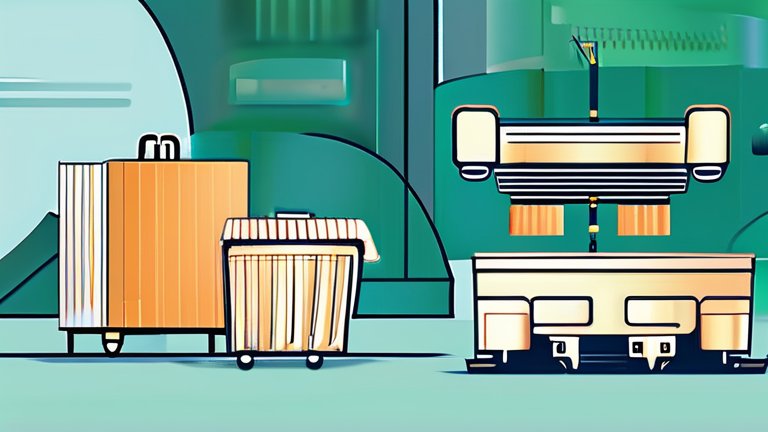
When comparing these circular models to traditional packaging, the differences are stark. Traditional packaging offers immediate convenience but carries a hidden cost: environmental degradation and rising regulatory fees. In contrast, circular packaging requires a slight behavioral change from consumers, who must remember to return items. However, the long-term benefits outweigh the inconvenience. Data from pilot programs indicates that reusable containers reduce plastic waste by up to 90% per unit compared to single-use alternatives. Furthermore, they often provide better product protection, reducing spoilage and food waste, which is a critical factor in overall sustainability.
Another significant innovation is the use of compostable materials derived from agricultural waste, such as mushroom mycelium or seaweed. These materials offer a “cradle-to-cradle” solution where packaging decomposes safely in home compost bins, returning nutrients to the soil. While not yet as durable as hard plastics, advances in material science are rapidly improving their strength and moisture resistance. Comparatively, these bio-based options are superior to conventional bioplastics,
Leave a Reply