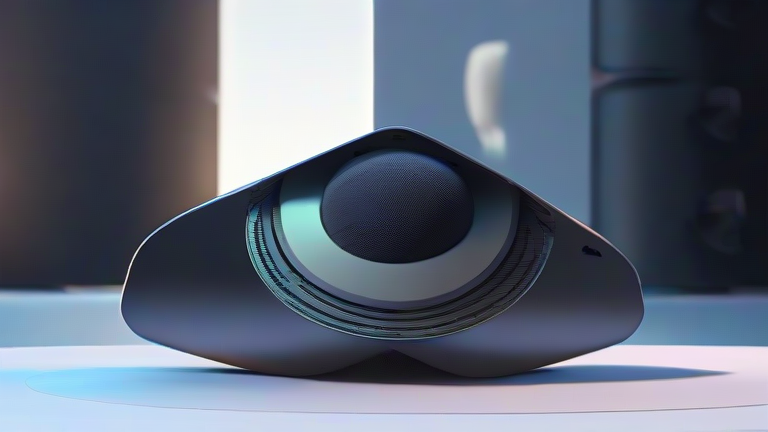
Metaverse Events: Prioritizing Spatial Audio & Haptics
The digital landscape is undergoing a seismic shift, moving beyond simple two-dimensional interactions into immersive three-dimensional experiences. At the heart of this transformation is the metaverse, a concept that has evolved from a speculative buzzword into a tangible technological reality. While visual fidelity has long been the primary metric for success in virtual environments, industry leaders are now pivoting their focus toward two critical pillars: spatial audio and haptic feedback. These technologies are no longer optional luxuries; they are essential components for creating truly believable and engaging virtual events.
The Rise of Immersive Audio
Spatial audio, often referred to as 3D audio, mimics the way human ears perceive sound in the physical world. By utilizing head-related transfer functions (HRTFs), developers can create soundscapes where audio sources appear to originate from specific directions and distances. This technology allows users to hear a speaker’s voice clearly while simultaneously hearing the ambient noise of a virtual crowd from behind them. Recent developments in real-time audio rendering have significantly reduced latency, ensuring that the audio experience remains synchronized with visual cues. This synchronization is crucial for maintaining presence, the psychological state of feeling “there” in a virtual environment.
If you want to dig deeper, check out our guide on How VR Is Transforming Mental Health Apps.

The impact of spatial audio on virtual events is profound. In virtual conferences, it allows for natural networking, where users can lean in to hear a conversation without shouting over background noise. In virtual concerts, artists can manipulate sound direction to create dynamic performances that react to user movement, offering a level of engagement that flat stereo audio simply cannot achieve. Major tech companies are investing heavily in audio engines that support these complex acoustic environments, recognizing that hearing is as important as seeing in building emotional connections.
Haptics: The Touch of Reality
If spatial audio engages the ears, haptics engage the sense of touch. Haptic technology uses vibration, force, and motion to provide tactile feedback to users. In the context of metaverse events, this means feeling the bass of a music track, the texture of a virtual object, or
Leave a Reply