TL;DR: Vertical farming drastically reduces urban food miles by cultivating crops directly within or near city centers, eliminating the need for long-distance transportation. This hyper-local production model ensures that food travels merely blocks rather than thousands of miles, significantly lowering carbon emissions and enhancing freshness for urban consumers.
In the bustling heart of modern metropolises, the concept of “food miles” has traditionally been a distant abstraction, relevant only to environmental scientists and policy makers. However, for the conscious urbanite, the journey of food from farm to fork is becoming a tangible part of the daily culinary experience. Vertical farming is not just an agricultural innovation; it is a cultural shift that redefines how we connect with our food, our environment, and our communities.
The Urban Harvest Revolution
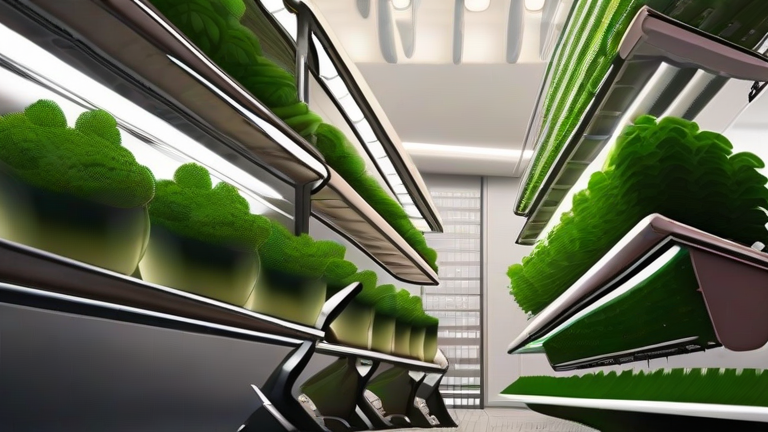
Imagine stepping out of your high-rise apartment and walking two blocks to a greenhouse that glows with soft LED light. Inside, layers of leafy greens, herbs, and strawberries grow in stacked hydroponic towers, untouched by soil or pesticides. This is the reality of vertical farming, a method that utilizes controlled environment agriculture to grow crops in vertically stacked layers, often incorporating integrating controlled-environment technology like artificial lighting and climate control.
The most profound impact of this system is the drastic reduction in food miles. Traditional supply chains often involve produce traveling over 1,500 miles from rural farms to urban supermarkets, passing through multiple distribution centers and refrigerated trucks. In contrast, vertical farms are embedded within the urban fabric. The distance from harvest to consumption is measured in minutes, not days. This proximity means that the nutritional value of the food remains intact, as vitamins degrade over time during transit. For the foodie, this translates to a vibrant, crisp texture and intense flavor profiles that are impossible to achieve with long-haul logistics.
Culture and Conscious Eating
Beyond the logistics, vertical farming influences urban culture. It fosters a sense of place and community ownership. Local farms often offer tours and workshops, educating residents about sustainability and nutrition. This transparency builds trust between producers and consumers, creating a food culture that values quality and environmental stewardship over convenience and cost alone.
Moreover, this shift supports personal growth by encouraging mindful eating. When consumers know exactly where their food comes from and how it was grown, they develop a deeper appreciation for the labor and technology involved. This awareness can lead to healthier lifestyle choices and a greater commitment to sustainable living. As cities grow and arable land shrinks, vertical farming offers a scalable solution that aligns with the values of the modern urban dweller.
Looking Ahead
As technology advances, the cost of vertical farming is decreasing, making fresh, local produce accessible to a broader audience. This democratization of fresh food has the potential to reduce food deserts and improve public health outcomes in urban areas. The integration of vertical farming into city planning is not just a trend but a necessary evolution in how we sustain our growing populations. By embracing this model, we are not just reducing food miles; we are reimagining the relationship between nature and urban life, creating a future where sustainability and deliciousness go hand in hand.
FAQ
Q: What are food miles?
A: Food miles refer to the distance food is transported from where it is produced to where it is sold or consumed.
If you want to dig deeper, check out our guide on Best Noise-Canceling Headphones for Work 2024.
Q: How does vertical farming save water?
A: Vertical farming uses up to 95% less water than traditional agriculture by recirculating water in closed-loop hydroponic systems.
Q: Is vertical farm produce organic?
A: While not automatically certified organic, vertical farms typically avoid pesticides and synthetic fertilizers, often meeting organic standards through strict controlled practices.
Leave a Reply