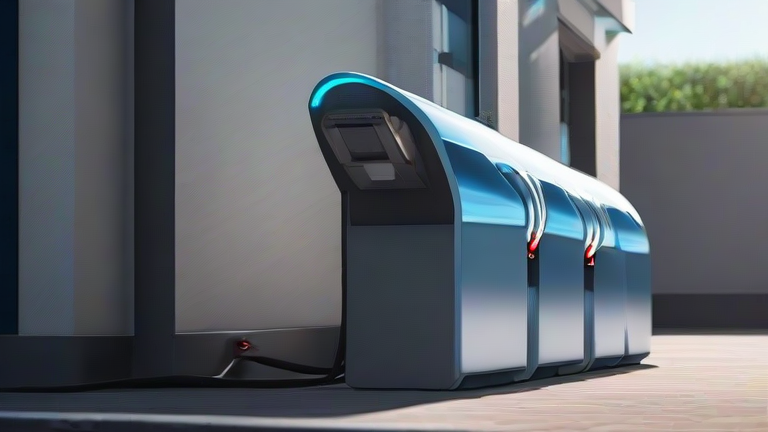
EV Charging Infrastructure Expands: What It Means for Drivers

The era of “range anxiety” is rapidly fading, replaced by a booming ecosystem of electric vehicle (EV) charging infrastructure. As governments worldwide push for net-zero emissions and automakers accelerate their transition away from internal combustion engines, the landscape of how drivers refuel their vehicles is undergoing a dramatic transformation. This expansion is not merely about adding more plugs; it represents a fundamental shift in consumer convenience, urban planning, and technological integration.
Recent market data underscores the velocity of this change. According to the International Energy Agency (IEA), the global stock of public chargers surpassed 2.7 million in 2023, a significant jump from previous years. In the United States alone, the Infrastructure Investment and Jobs Act has allocated billions toward building a national network of EV chargers, aiming for one charger every 50 miles along federal highway corridors by 2030. This government-backed push is catalyzing private investment, with major players like Tesla, Electrify America, and EVgo expanding their networks to meet surging demand. The result is a more robust safety net for drivers, reducing the fear of being stranded with a depleted battery.
Expert insights suggest that the quality of the charging experience is improving as much as the quantity. “We are moving past the era of broken or slow chargers,” says Dr. Elena Rossi, a senior analyst at Green Mobility Insights. “The focus has shifted to reliability, speed, and user interface. Drivers now expect the same seamless experience from a charging network as they do from a gas station pump, but with the added benefit of digital integration.” This includes real-time availability data, plug-and-charge capabilities, and interoperability between different networks, which has historically been a pain point for EV owners.
Looking ahead, the future of EV charging promises even greater convenience and integration with renewable energy sources. Predictions indicate that by 2030, ultra-fast charging stations capable of adding 200 miles of range in under ten minutes will become commonplace on major highways. Furthermore, the
Leave a Reply