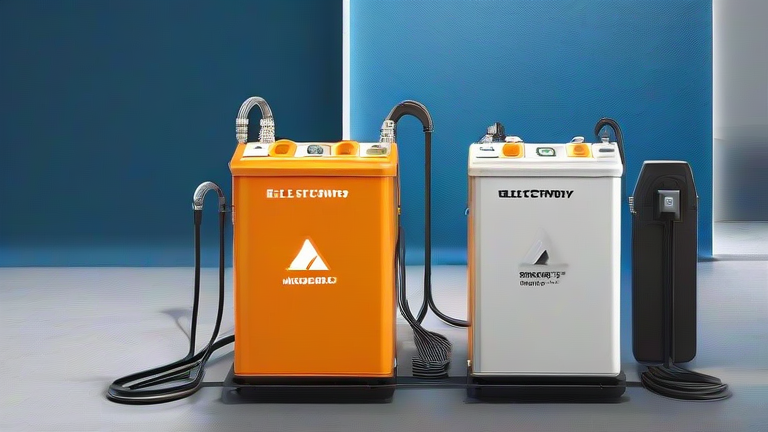
Electric Vehicle Battery Recycling Becomes the New Standard
As the electric vehicle revolution accelerates globally, the urgent need for sustainable end-of-life solutions for lithium-ion batteries has come to the forefront. What was once a niche concern is now a critical industry standard. Proper recycling not only recovers valuable materials like cobalt, lithium, and nickel but also prevents hazardous waste from contaminating landfills. This guide provides clear, actionable steps for individuals, fleet managers, and small businesses to participate in this vital ecological loop.
Step 1: Assess Your Battery Status
Before initiating the recycling process, you must determine the condition of your EV battery. If the battery is still functional but no longer suitable for automotive use, it may have a second life in energy storage systems. Check with your original equipment manufacturer (OEM) or authorized service centers to see if they offer buy-back or trade-in programs. If the battery is degraded beyond repair or physically damaged, it must be treated as hazardous waste immediately. Never attempt to dismantle an EV battery pack yourself due to the risk of high-voltage electrocution and chemical exposure.
Step 2: Locate an Authorized Recycling Facility
Not all waste centers accept EV batteries. You must seek out facilities specifically certified to handle high-voltage lithium-ion cells. In many regions, retailers that sell EVs or EV components are legally required to take back old batteries. Use online databases provided by environmental protection agencies or battery manufacturer websites to find the nearest certified recycler. Ensure the facility adheres to strict environmental standards, such as ISO 14001, to guarantee that toxins are managed safely during the shredding and chemical extraction phases.
Step 3: Prepare for Transport
Transporting EV batteries requires special precautions to prevent short circuits and thermal runaway during transit. The battery pack should remain in its original casing or a protective container designed for high-voltage components. Ensure the terminals are covered with insulating tape to prevent contact with metal objects. If you are transporting a loose battery cell or module, place
Leave a Reply