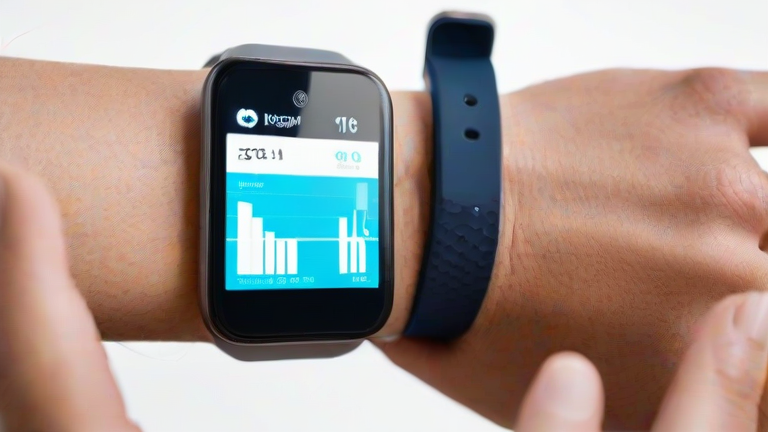
Digital Health Wearables: Predicting Chronic Disease Early
TL;DR: Modern wearables now utilize advanced multi-sensor fusion and on-device AI to detect subtle physiological anomalies indicative of chronic conditions like diabetes and cardiovascular disease. This shift from reactive monitoring to proactive prediction significantly improves early intervention rates and long-term patient outcomes.
The landscape of personal health technology has undergone a radical transformation, moving beyond simple step counting and heart rate monitoring. Today’s flagship devices are evolving into sophisticated medical-grade diagnostic tools capable of predicting chronic disease onset years before clinical symptoms manifest. This paradigm shift is driven by the integration of high-precision photoplethysmography (PPG), electrocardiogram (ECG) sensors, and emerging biomarkers such as interstitial glucose monitoring. These technologies allow for continuous, non-invasive data collection that provides a granular view of a user’s physiological state over time, rather than relying on sporadic clinic visits.
If you want to dig deeper, check out our guide on **Wearables: From Tracking to Prevention | SEO Blog**
*(48 .
Latest Technological Developments
Recent innovations focus heavily on reducing false positives and enhancing sensor accuracy. Manufacturers are now incorporating multi-frequency PPG sensors that can distinguish between arterial and venous blood flow, thereby improving the detection of atrial fibrillation and other arrhythmias. Furthermore, the integration of machine learning algorithms directly onto the device’s processor allows for real-time anomaly detection without draining the battery or requiring constant cloud connectivity. This edge computing capability is crucial for maintaining privacy and ensuring instant alerts for critical events. Additionally, new materials science breakthroughs have led to the development of flexible, skin-like sensors that adhere comfortably to the body, providing continuous data streams that are less prone to motion artifacts. These sensors can now monitor skin temperature variations with millikelvin precision, a metric that has shown strong correlations with inflammatory responses and infection onset.
Key Specifications and Hardware Evolution
Contemporary health wearables feature dual-band GPS for accurate activity tracking, alongside high-resolution accelerometers and gyroscopes that detect subtle gait changes often associated with neurological disorders like Parkinson’s disease. Battery life has also seen significant improvements, with solid-state lithium batteries offering up to seven days of continuous tracking on a single charge. Connectivity standards have shifted towards BLE 5.3 and Wi-Fi 6, ensuring faster and more stable data transmission to companion applications. The processing power of these devices has increased exponentially, with quad-core processors capable of handling complex neural networks locally. This hardware evolution supports the running of large language models tailored for health data interpretation, allowing devices to provide context-aware insights based on the user’s historical health profile. For instance, a watch can now correlate sleep quality with blood pressure trends to predict hypertension risks with high accuracy.
Industry Impact and Future Implications
The implications for the healthcare industry are profound. Insurance providers are beginning to reimburse costs for specific wearable-based monitoring programs, recognizing their potential to reduce long-term treatment expenses for chronic diseases. Pharmaceutical companies are leveraging anonymized data from wearables to identify larger trial populations and monitor drug efficacy in real-world settings. However, this progress is not without challenges. Issues regarding data privacy, algorithmic bias, and regulatory approval remain significant hurdles. The FDA and other global regulatory bodies are working to establish clear guidelines for classifying these devices as Class II medical devices. As the technology matures, we expect a convergence of consumer electronics and medical diagnostics, where the line between a fitness tracker and a health monitor becomes increasingly blurred. This convergence promises a future where chronic disease management is decentralized, personalized, and proactive, empowering individuals to take control of their health with unprecedented precision. The goal is not just to detect disease, but to prevent it, fundamentally altering the trajectory of public health outcomes globally.
FAQ
Q: Are digital health wearables medically certified for disease diagnosis?
A: While many features are FDA-cleared for specific conditions like atrial fibrillation, they are generally intended for wellness and early detection rather than definitive clinical diagnosis. Users should consult healthcare professionals for medical advice based on wearable data.
Q: How accurate are the chronic disease predictions made by these devices?
A: Accuracy varies by condition and algorithm, but recent studies show high sensitivity for detecting arrhythmias
Leave a Reply