
Carbon Capture Goes Global: Now Commercially Viable
The narrative surrounding carbon capture, utilization, and storage (CCUS) has shifted dramatically. Once dismissed as an expensive experimental technology, it is now a commercially viable tool for industries aiming to meet net-zero targets. This guide provides a practical roadmap for industrial leaders and project developers looking to integrate CCUS into their operations effectively. The following steps outline the journey from feasibility to full-scale commercial deployment.
Step 1: Conduct a Rigorous Site Assessment
Before investing capital, you must identify the most suitable location for your capture facility. The primary goal is to minimize the distance between emission sources and storage sites. Begin by mapping your current industrial processes to identify high-concentration CO2 streams, such as those from cement kilns or steel blast furnaces. Use geospatial analysis tools to locate nearby depleted oil and gas fields or saline aquifers. 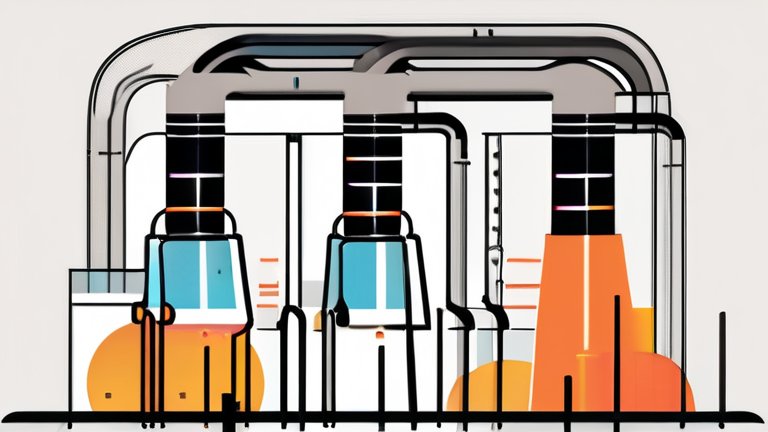 Proximity reduces transportation costs, which are often the largest operational expense in CCUS projects. Ensure your site has the necessary infrastructure, such as pipelines or shipping routes, to facilitate transport.
If you want to dig deeper, check out our guide on CRISPR 3.0 Cures Inherited Blood Disorders.
Step 2: Select the Right Capture Technology
Not all capture technologies are created equal. Post-combustion capture is currently the most mature and widely adopted method for retrofitting existing plants. However, pre-combustion capture may offer higher efficiency for new builds using gasified feedstocks. Evaluate your options based on energy penalty, capture rate, and capital expenditure. For many existing facilities, amine-based scrubbing remains the standard choice due to its reliability. Consider hybrid systems if your emissions profile varies significantly throughout the day. Engage with technology providers early to secure pilot testing opportunities that validate performance under real-world conditions.
Step 3: Secure Permits and Regulatory Alignment
Regulatory frameworks vary globally, but consistent standards are emerging. Start the permitting process early, as it can take several years. Engage with local environmental agencies to understand injection limits, monitoring requirements, and liability frameworks. In many jurisdictions, you will need a Class VI well permit or equivalent for geological storage. Align your project
Leave a Reply