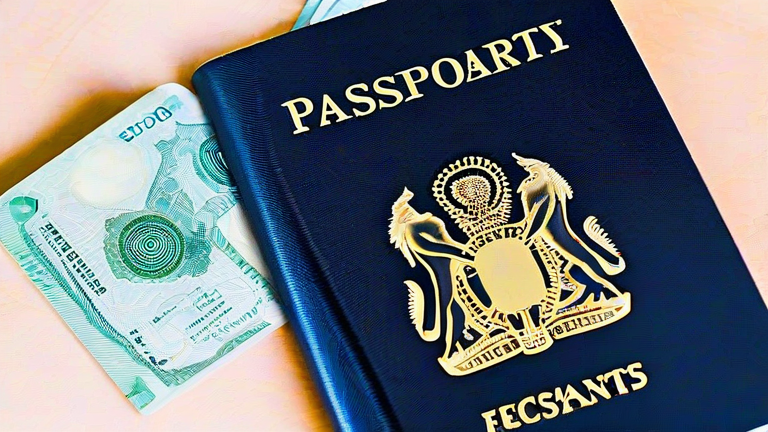
TL;DR: Biometric passports are the new global travel standard because they embed a chip storing your facial image and fingerprints, enabling fast, secure identity verification at borders. To use one, apply through your government, attend a biometric enrollment appointment, and present the passport at e-gates or manual desks where the chip is read and matched to your face.
Step 1: Check Your Eligibility and Apply
Confirm that your country issues biometric (e-passports) and whether you’re eligible for a first-time or renewal application. Most governments now require biometric passports for international travel, so apply through your official passport authority—not a third-party site—and complete the application form accurately. Use your full legal name exactly as it appears on your birth certificate or ID to avoid processing delays.
If you want to dig deeper, check out our guide on **Spatial Computing Meets Daily Work: The Future of Producti.
Step 2: Book Your Biometric Enrollment Appointment
Schedule an appointment at an authorized passport office or enrollment center. During this visit, you’ll have your photo taken to ICAO standards, provide fingerprints, and sometimes an iris scan. Wear plain clothing, remove glasses and hats, and avoid heavy makeup so the facial recognition system captures a clean image. Arrive early and bring your existing passport, proof of identity, and proof of citizenship.
Step 3: Pay Fees and Track Your Application
Pay the required fee using the accepted method and keep your receipt. Processing times vary from days to several weeks, so apply well ahead of travel—ideally three to six months before your trip. Use the tracking number provided to monitor status, and report any errors in your name or date of birth immediately, as corrections after issuance are costly.
Step 4: Receive and Inspect Your Passport
When your passport arrives, verify every detail: spelling, dates, photo, and the chip symbol on the cover. Check that the passport is undamaged and the chip page is intact. Sign the designated page if required. Store it in a protective sleeve and keep it away from magnets, heat, and moisture, which can corrupt the chip.
Step 5: Use It at Borders and E-Gates
At airports, place the passport photo page on the e-gate reader, then look into the camera for facial matching. If the gate fails, use a manual desk—officers will scan the chip and verify your identity. Keep the passport flat and still during scanning, and remove any phone or wallet from the cover to avoid interference.
Tips for Smooth Travel
Renew before the six-month validity rule many countries enforce. Carry a secondary ID, and never laminate or bend the data page. If your appearance changes significantly, renew early to avoid mismatches at automated gates.
FAQ
Q: How long does a biometric passport last?
A: Validity varies by country and age—typically 5 to 10 years for adults and shorter for children.
Q: Can I use e-gates with a child’s biometric passport?
A: Often no; many countries require children under a certain age to use manual lanes with a guardian.
Q: What if the chip stops working?
A: Report it to your passport authority and replace it; a damaged chip may cause delays or denial at automated borders.
Leave a Reply