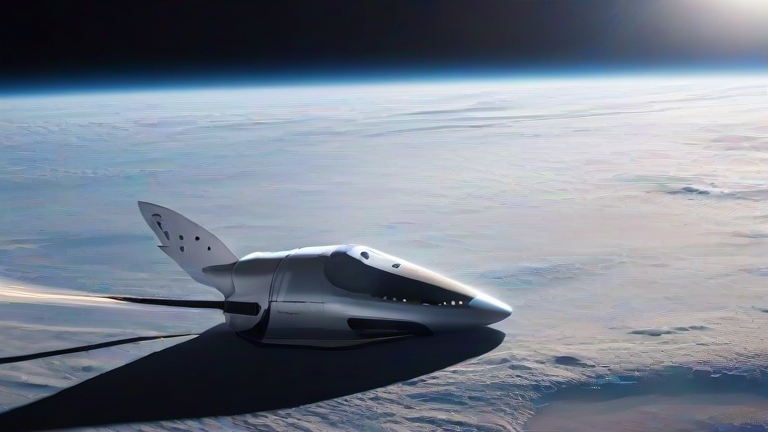
TL;DR: SpaceX’s Starship aims to reduce launch costs significantly, making lunar travel accessible to private citizens within the decade. Routine lunar tourism will require robust medical preparation and strict health protocols to mitigate the risks of radiation and microgravity.
The Economic Shift in Space Travel
For decades, space travel was the exclusive domain of governments and elite astronauts. However, the development of SpaceX’s Starship represents a paradigm shift. By achieving full reusability, Starship drastically lowers the cost per kilogram to orbit. This economic efficiency is the primary driver behind the promise of routine lunar tourism. When the price tag drops from billions to millions, or eventually thousands, space travel transitions from a national endeavor to a consumer luxury service, similar to early commercial aviation.
If you want to dig deeper, check out our guide on Longevity Therapies Go Mainstream: Clinical Adoption Trends.
Health Implications of Lunar Travel
While the economics are exciting, the physiological challenges remain substantial. Human bodies are not designed for the vacuum of space. The primary health concerns include radiation exposure, bone density loss, and muscle atrophy. On the Moon, while gravity is one-sixth of Earth’s, the lack of a magnetic field exposes travelers to cosmic rays. Science-backed advice for aspiring lunar tourists emphasizes pre-flight conditioning. Engaging in high-intensity interval training and resistance exercises for at least six months before departure can help mitigate muscle loss. Additionally, maintaining a diet rich in calcium and vitamin D is crucial to preserve bone integrity during the journey and lunar stay.
Lifestyle Tips for Space-Ready Bodies
Preparing for a lunar trip is akin to preparing for a major expedition. Lifestyle adjustments are necessary months in advance. First, prioritize cardiovascular health. Space travel induces stress on the heart due to changes in fluid distribution. Regular aerobic exercise improves cardiac resilience. Second, manage your gut health. The gut microbiome plays a critical role in immune function, which is vital when medical help is far away. Incorporating fermented foods and diverse plant fibers can support a robust microbiome. Third, practice mental resilience. The isolation of space can lead to psychological strain. Techniques such as mindfulness meditation and cognitive behavioral strategies can help manage anxiety and maintain mental clarity during the confined journey.
Radiation Protection and Medical Protocols
Health agencies are developing specific medical protocols for lunar missions. These include continuous monitoring of radiation exposure and hydration levels. Travelers will likely wear personal dosimeters and may receive pharmaceutical interventions to protect against radiation-induced cellular damage. It is essential for tourists to undergo comprehensive medical screening to ensure they have no pre-existing conditions that could be exacerbated by the space environment. Conditions like uncontrolled hypertension or severe cardiovascular disease may disqualify individuals from participating in early tourism missions. As the technology matures, these protocols will become standardized, ensuring that safety remains the top priority.
FAQ
Q: How long will a typical lunar tourism trip last?
A: Initial trips are expected to last between one to three weeks, including transit time and a short stay on the lunar surface.
Q: Is lunar tourism safe for older adults?
A: Safety depends on individual health status; older adults with strong cardiovascular health and no chronic conditions may be eligible after rigorous medical screening.
Q: What is the biggest health risk during the journey?
A: The most significant risks are radiation exposure and the physiological effects of microgravity, such as fluid shifts and muscle atrophy, which require careful management.
Leave a Reply