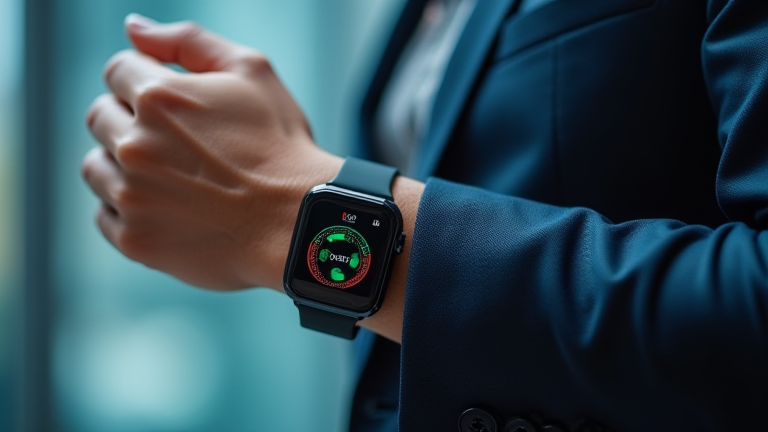
Real-Time Mental Health Monitoring: Wearables That Skip the App
TL;DR: Emerging wearables utilize continuous physiological sensors to detect stress and anxiety biomarkers directly on the device without requiring constant smartphone connectivity or manual logging. This technology enables immediate, passive monitoring of mental well-being by analyzing heart rate variability and skin conductance in real-time.
The intersection of wearable technology and mental health has moved beyond simple step counting to sophisticated biometric analysis. Traditional digital wellness tools often rely on user-initiated inputs, such as mood logs or journaling, which are subject to recall bias and require consistent engagement. Newer generations of wearables, however, are designed to operate autonomously, capturing critical physiological data that correlates strongly with psychological states. By eliminating the need for a dedicated smartphone app for core functionality, these devices reduce friction, allowing for a more natural and less intrusive monitoring experience. This shift is crucial for users who find the act of checking an app to be a source of anxiety rather than a solution to it.
If you want to dig deeper, check out our guide on How to Fix iPhone 15 Pro Crashing: Step-by-Step Guide.
The Science Behind Passive Monitoring
Research published in journals such as the Journal of Medical Internet Research highlights the efficacy of Heart Rate Variability (HRV) as a non-invasive marker for autonomic nervous system activity. Lower HRV is frequently associated with high stress levels, anxiety, and poor sleep quality. Modern wearables equipped with high-precision photoplethysmography (PPG) sensors can track minute changes in blood flow patterns, providing a continuous stream of data that reflects the body’s stress response. Additionally, Electrodermal Activity (EDA) sensors measure sweat gland activity, which is directly linked to emotional arousal. By processing this data on-device using advanced machine learning algorithms, the wearable can identify patterns indicative of escalating stress or panic attacks. This local processing ensures privacy, as sensitive health data does not need to be transmitted to the cloud for every single data point, only when a significant threshold is crossed.
Lifestyle Tips for Integrating Wearable Data
While the technology provides the insights, lifestyle adjustments are necessary to act on them. First, establish a baseline. Wear the device consistently for two weeks to understand your personal physiological norms for rest and activity. Do not react immediately to every alert; instead, observe trends over days. If you notice a consistent spike in EDA during your mid-afternoon meetings, consider implementing brief mindfulness breaks or adjusting your caffeine intake. Second, prioritize sleep hygiene, as poor sleep significantly impacts HRV and emotional regulation. Use the wearable’s sleep tracking to identify light sleep phases, which may indicate underlying stress, and adjust your evening routine accordingly. Finally, engage in regular aerobic exercise. Studies show that consistent moderate-intensity exercise improves baseline HRV, making the body more resilient to acute stressors. The wearable serves as a feedback loop, allowing you to see the tangible physiological benefits of your healthy habits.
FAQ
Q: Do these wearables replace therapy or professional mental health support?
A: No, wearables are diagnostic tools for self-awareness and should not replace professional clinical advice or therapy. They are best used as complementary aids to track trends and inform conversations with healthcare providers.
Q: How accurate is stress detection without a smartphone app?
A: Accuracy depends on the sensor quality and algorithm sophistication. On-device processing can achieve high accuracy for detecting acute stress spikes, though long-term trend analysis may require occasional syncing for deeper historical context.
Q: What privacy risks exist with on-device processing?
A: On-device processing significantly reduces privacy risks by keeping raw biometric data local. However, users should still verify the manufacturer’s data retention policies to ensure that any summary insights or alerts sent to a connected account are encrypted and not sold to third parties.
Leave a Reply