TL;DR: Generic GLP-1 drugs are beginning to reach pharmacies as key patents expire, promising significantly lower prices for diabetes and weight-loss treatments. This shift should expand access for millions of patients while forcing brand manufacturers to compete on price, formulation, and convenience.
The Patent Cliff Arrives
For years, GLP-1 receptor agonists like semaglutide and liraglutide have dominated metabolic medicine, generating tens of billions in annual revenue for Novo Nordisk and Eli Lilly. That era of exclusivity is now cracking. Semaglutide’s core patents began expiring in several major markets, including Canada, India, and China, with Brazil and other regions following. In markets where protection has lapsed, regulators have already approved multiple generic versions of liraglutide, and semaglutide generics are entering phased rollouts. The U.S. timeline is more complex—patent challenges and settlement agreements push full generic semaglutide availability toward 2026 and beyond—but the direction is unmistakable: the world’s most sought-after metabolic drugs are becoming commodities.
If you want to dig deeper, check out our guide on 7 SaaS Pricing Page Trends Reshaping Conversion Rates Now.
What the Generics Actually Deliver
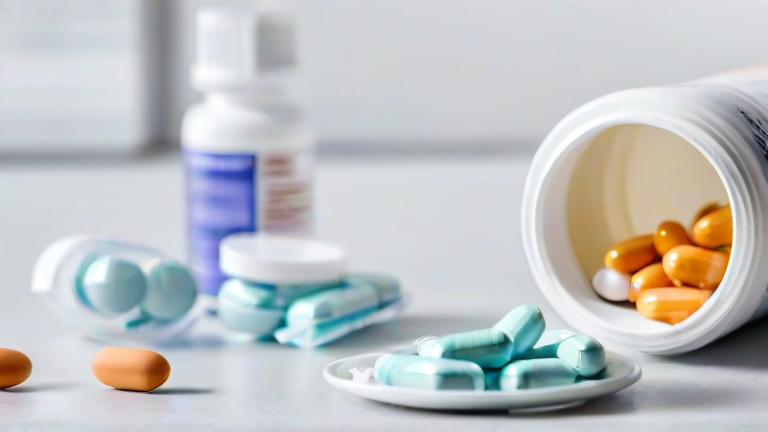
Generic GLP-1 products are not approximations. They contain the same active molecule, meet the same pharmacopoeial standards for purity and potency, and are typically manufactured as daily or weekly injectables in pre-filled pens. Early generic liraglutide offerings match the originator’s 0.6 mg, 1.2 mg, and 1.8 mg dose strengths, with bioequivalence data submitted to regulators. Pricing is the headline spec: in several launched markets, generic liraglutide is priced 40–70% below the brand, and analysts expect generic semaglutide to land at a 50–80% discount once competition matures. The trade-offs are modest—fewer pen ergonomics, thinner patient-support programs, and limited head-to-head trial data—but the clinical payload is identical.
Industry Impact: A Reshuffled Playing Field
The arrival of generics reshapes incentives across the sector. Brand manufacturers are responding by pivoting to next-generation assets—oral semaglutide, dual and triple agonists like tirzepatide and retatrutide, and higher-dose formulations—while cutting prices in cash-pay channels to defend share. Pharmacy benefit managers and insurers gain leverage to demand rebates or prefer generics on formulary, which could finally bend the cost curve for employers. Telehealth and compounding players, who thrived during shortage-driven demand, face a squeeze as regulated generics undercut their pricing. Meanwhile, manufacturing capacity remains the binding constraint: active pharmaceutical ingredient supply, fill-finish lines, and cold-chain logistics will determine how fast generics actually reach shelves. Countries with strong generic industries—India, China, and parts of Eastern Europe—will see the fastest adoption, while the U.S. market will stagger forward through 2026–2027.
FAQ
Q: Are generic GLP-1 drugs as safe and effective as the brand versions?
A: Yes. Approved generics must demonstrate bioequivalence and meet the same quality standards as the originator, so they deliver the same active ingredient with comparable safety and efficacy profiles.
Q: When will generic semaglutide be available in the U.S.?
A: Most analysts expect meaningful U.S. availability between 2026 and 2027, depending on patent litigation outcomes and FDA approvals, though some limited launches may occur earlier.
Q: Will generics make weight-loss treatment cheaper?
A: Likely yes. Early generic pricing runs 40–70% below brand list prices, and mature competition could push discounts higher, though insurance coverage decisions will still shape out-of-pocket costs.
Leave a Reply