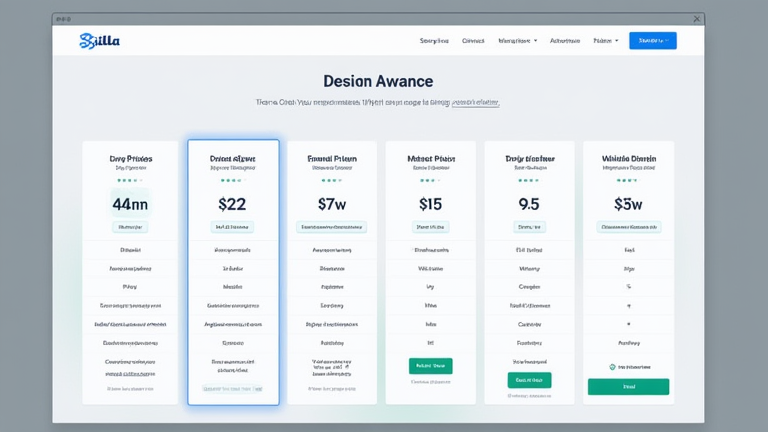
TL;DR: The SaaS pricing landscape is shifting from static, opaque lists to dynamic, value-based models that prioritize transparency and flexibility. This strategic pivot is directly driving higher conversion rates by reducing buyer friction and aligning costs with actual usage.
The Evolution of Transparency
For years, the “Contact Sales” button was the default for mid-market and enterprise SaaS deals. However, recent data from OpenView indicates that 65% of B2B buyers now expect to see clear pricing structures before initiating a sales conversation. This shift is not merely a preference; it is a survival mechanism. Companies that continue to hide their pricing behind sales funnels are seeing longer sales cycles and lower close rates. The modern buyer is empowered by abundant information and has no patience for ambiguity. Transparency builds trust, and trust is the currency of high-conversion pricing pages. By displaying clear tiers, feature breakdowns, and potential costs, SaaS companies eliminate the initial anxiety of the buying process, allowing prospects to self-qualify and move faster through the pipeline.
If you want to dig deeper, check out our guide on **Brain-Computer Interfaces: New Hope for Mobility Disorders.
Dynamic Pricing and Usage-Based Models
Another dominant trend is the move away from rigid, flat-rate subscriptions toward hybrid and usage-based pricing models. According to a recent survey by Forrester, 42% of SaaS companies have either adopted or are piloting usage-based pricing components. This trend aligns the vendor’s revenue with the customer’s value realization. Instead of paying for seats that go unused, customers pay for what they actually consume. This model is particularly effective for product-led growth (PLG) companies. It lowers the barrier to entry, allowing teams to start with a free tier or a low-cost base plan and scale up as their needs grow. The psychological impact is significant; customers feel they are not overpaying for unused capacity, which reduces churn and increases lifetime value. Expert analysts note that companies implementing hybrid models—combining base fees with usage add-ons—see a 20% increase in average revenue per user (ARPU) compared to those sticking to pure subscription models.
Personalization and AI-Driven Insights
The third major trend is the integration of AI-driven personalization on pricing pages. Static pages no longer suffice. Modern SaaS platforms use behavioral data to display relevant pricing options and case studies based on the visitor’s industry, company size, and previous interactions. For instance, a visitor from a healthcare firm might see testimonials and pricing highlights related to compliance features, while a tech startup visitor sees data on API limits and developer tools. This level of relevance increases engagement and reduces bounce rates. Predictive analytics suggest that by 2025, over 50% of enterprise SaaS pricing pages will incorporate some form of dynamic personalization. The future of SaaS pricing is not just about what you charge, but how intelligently you present it. Companies that fail to adapt to these trends risk being perceived as outdated and inflexible, ultimately losing market share to more agile competitors who understand the modern buyer’s journey.
FAQ
Q: Is usage-based pricing better for all SaaS companies?
A: No, it depends on the product. It works best for products where value scales directly with consumption, such as APIs or cloud infrastructure, but may confuse buyers for simple, fixed-utility software.
Q: How much does transparency actually impact conversion rates?
A: Studies show that clear pricing can increase inbound leads by up to 40% by filtering out unqualified prospects and speeding up the decision-making process for qualified ones.
Q: What is the biggest risk of adopting dynamic pricing?
A: The primary risk is customer confusion or perceived unfairness if the pricing logic is not communicated clearly, which can lead to increased support tickets and potential churn.
Leave a Reply