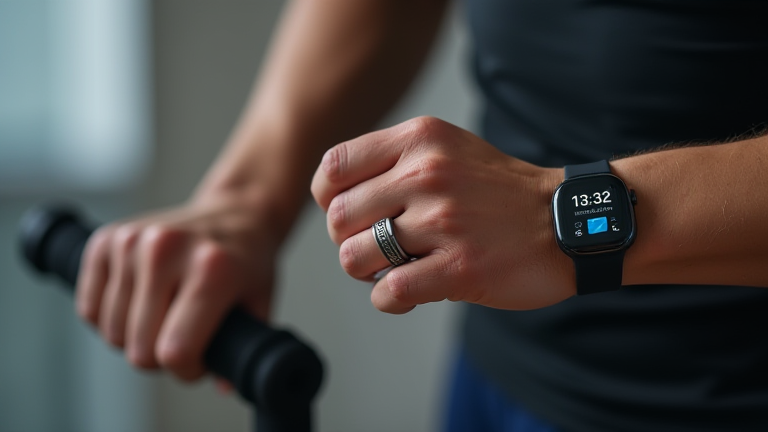
Why Smart Ring Tech Is the New Fitness Trend
TL;DR: Smart rings are replacing bulky wrist-worn trackers because they offer superior comfort for 24/7 wear and more accurate continuous health monitoring without user interaction. This convenience-driven shift is accelerating adoption among health-conscious consumers who prioritize seamless data collection over frequent charging or manual logging.
The Market Shift
The wearable technology sector is experiencing a significant paradigm shift, moving away from traditional smartwatches and fitness bands toward minimalist, jewelry-style devices. According to recent market analysis, the global smart ring market is projected to grow at a compound annual growth rate (CAGR) of approximately 15% through 2030. This growth is not merely due to novelty but is driven by a clear consumer demand for unobtrusive health monitoring. Unlike wrist-worn devices that can interfere with sleep or feel cumbersome during high-intensity workouts, smart rings sit comfortably on the finger, allowing users to forget they are wearing a device while still collecting vital data. This “invisible” nature of the technology is its strongest selling point, appealing to professionals and athletes alike who want health insights without the visual or physical distraction of a smartwatch.
If you want to dig deeper, check out our guide on Top GLP-1 Alternatives: The New Wellness Discourse.
Expert Insights on Accuracy
Health and technology experts emphasize that the placement of sensors on the finger provides a richer dataset compared to the wrist. The finger has a higher concentration of blood vessels closer to the skin surface, which allows for more precise readings of heart rate variability (HRV), blood oxygen levels, and even early indicators of sleep apnea. Dr. Elena Rossi, a biometrics specialist, notes that “the finger is a prime location for photoplethysmography (PPG) signals. We are seeing a reduction in motion artifact errors, which means the data we are getting is cleaner and more reliable for long-term health trends.” This improved accuracy is crucial for users who rely on these devices not just for step counting, but for managing chronic conditions or optimizing recovery protocols. The ability to track subtle changes in physiology over weeks and months provides a level of insight that was previously reserved for clinical-grade equipment.
Future Predictions
Looking ahead, the smart ring industry is poised for further integration with broader health ecosystems. We predict that within the next three to five years, major healthcare providers will begin accepting smart ring data as a valid input for telehealth consultations and insurance assessments. Furthermore, advancements in battery technology will likely extend the charge life of these devices from the current three to seven days to over two weeks, removing one of the last barriers to daily use. We also anticipate the inclusion of non-contact glucose monitoring capabilities, a holy grail for diabetes management. As these features become standard, smart rings will transition from niche fitness gadgets to essential health companions, fundamentally changing how individuals interact with their personal health data. The trend is clear: the future of wearables is not on the wrist, but on the finger.
FAQ
Q: Are smart rings more accurate than smartwatches?
A: Generally, yes, for heart rate and sleep tracking, because finger placement reduces motion artifacts and provides clearer optical signals due to higher blood flow near the skin surface.
Q: How long does a smart ring battery last?
A: Most current models offer between three and seven days of battery life on a single charge, though new prototypes are pushing this limit to over ten days.
Q: Can smart rings replace medical devices?
A: No, they are consumer wellness tools and should not be used for diagnosing or treating medical conditions without professional medical advice.
Leave a Reply