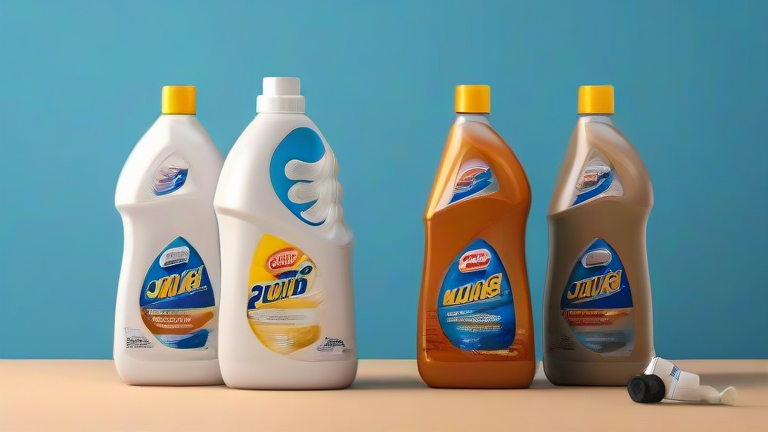
TL;DR: Protect your brand by systematically documenting infringing products with detailed evidence and issuing formal cease-and-desist letters to sellers and platforms. Simultaneously, leverage legal tools like DMCA takedowns and trademark enforcement to remove listings while building a robust legal strategy for potential litigation against repeat offenders.
Understanding the Threat
Unsanitary copycats pose a dual threat: they damage your brand’s reputation by associating your name with poor hygiene standards and they steal market share. These products often mimic your packaging and branding but fail to meet basic health and safety regulations. Acting quickly is crucial because these listings can gain traction rapidly on e-commerce platforms, causing lasting harm before you can intervene.
If you want to dig deeper, check out our guide on Master Canva in 15 Minutes: A Step-by-Step Design Tutorial.
Step 1: Comprehensive Evidence Collection
Before contacting anyone, you must build an airtight case. Capture high-resolution screenshots of the infringing listings, including the seller’s name, price, and product description. Record the URL and date of access. If possible, order a sample of the product to test for sanitary deficiencies. Keep all communication records. This evidence is vital for platform complaints and potential legal action. Do not rely on memory; digital records are your primary defense.
Step 2: Platform Reporting and Takedowns
Most major e-commerce sites, such as Amazon, eBay, and Alibaba, have intellectual property protection programs. Use these tools to file formal complaints. Upload your evidence and clearly state how the copycat violates your trademarks or copyright. Many platforms also have specific policies against selling unsafe or unsanitary goods. Highlight these violations to expedite removal. Follow up if the initial report is ignored. Persistence is key, as moderators may need multiple prompts to act.
Step 3: Legal Cease-and-Desist Letters
If platform actions are insufficient, engage an attorney to send cease-and-desist letters to the sellers. These letters should demand immediate removal of the products and compensation for damages. For repeat offenders, consider filing a lawsuit. The threat of litigation often forces sellers to comply. Ensure your legal team specializes in intellectual property and consumer safety to maximize impact. This step serves as a strong deterrent to other potential infringers.
Step 4: Consumer Education and Brand Defense
Proactively educate your customers on how to identify authentic products. Create a verification page on your website where customers can check product authenticity. Use unique identifiers like QR codes or serial numbers on your packaging. Monitor social media for complaints about counterfeit goods and respond professionally. By empowering your customers, you create a community-driven defense against unsanitary copycats. Regularly update your online presence to highlight the quality and safety standards you uphold.
Step 5: Long-Term Monitoring and Prevention
Implement continuous monitoring tools to track your brand keywords and images across online marketplaces. Set up alerts for new listings that match your brand profile. Regularly audit your supply chain to ensure no internal leaks are occurring. Maintain open lines of communication with your legal team and platform relationships. Prevention is always more cost-effective than remediation. Stay vigilant and adapt your strategy as new threats emerge in the digital marketplace.
FAQ
Q: What if the seller is located in a different country?
A: International enforcement is complex but possible. Use platform-specific international takedown procedures and consult with local legal counsel in the seller’s jurisdiction to issue legally binding demands.
Q: How long does it take to remove a counterfeit listing?
A: It typically takes 48 to 72 hours for major platforms to process valid IP complaints. However, complex cases involving safety violations may take longer, requiring multiple follow-ups and detailed evidence submission.
Q: Can I sue for damages if the product causes harm?
A: Yes, if the unsanitary copycat causes consumer injury, you may have grounds for a products liability lawsuit. However, this depends on proving negligence and a direct link between the product and the harm caused.
Leave a Reply