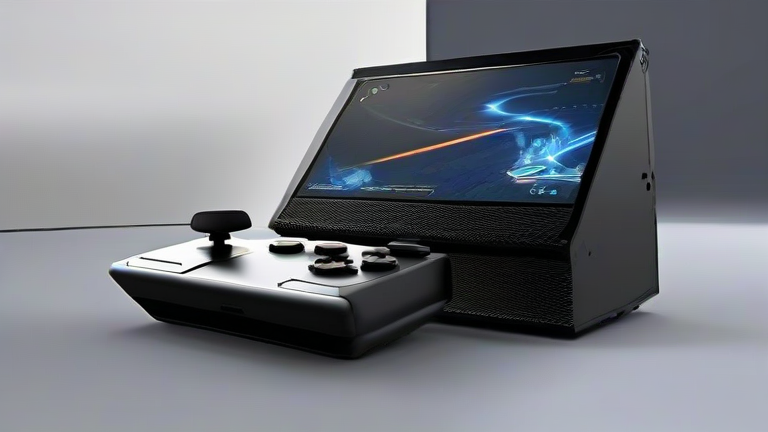
TL;DR: The Steam Deck OLED stands as the premier portable gaming rig due to its significantly improved display technology, enhanced battery life, and superior heat management compared to its predecessor. It offers an unmatched balance of performance, price, and ecosystem integration for PC gamers on the go.
The Display Revolution
Valve’s release of the Steam Deck OLED marked a pivotal moment in handheld gaming history. The primary selling point is the new 7-inch HDR OLED panel. Unlike the original LCD screen, this display offers infinite contrast ratios, deeper blacks, and vibrant colors that make games like Elden Ring or Cyberpunk 2077 visually stunning. The screen also features a higher peak brightness of 1,000 nits, ensuring visibility in bright environments. This shift addresses the most common criticism of the original device: the mediocre screen quality. For gamers, this upgrade is not just a cosmetic improvement; it is a fundamental enhancement to the immersive experience. The larger viewing angles also make shared gaming sessions on a plane or train more enjoyable for companions. By prioritizing display fidelity, Valve acknowledged that visual quality is paramount in the current generation of handhelds, setting a new standard that competitors must now match or exceed.
If you want to dig deeper, check out our guide on How I Cut My Mac’s Boot Time in Half.
Performance and Thermal Management
While the underlying APU remains similar to the original, Valve made crucial adjustments to the cooling system and firmware. The new design features a larger fan and improved thermal paste, resulting in quieter operation and lower temperatures. This is critical for sustained performance during long gaming sessions. The device now supports variable refresh rates from 40Hz to 90Hz, allowing the screen to adapt to the game’s frame rate. This reduces screen tearing and lowers power consumption. Battery life has also seen a significant boost, with Valve claiming up to three hours more battery life at 40Hz. In practical terms, this means players can enjoy nearly double the playtime on a single charge when playing lighter titles like indie games or strategy games. The improved fan speed curve ensures that the device remains cool to the touch, reducing hand fatigue during extended use. These engineering tweaks demonstrate Valve’s commitment to refining the user experience beyond just raw hardware specs. They have created a device that feels more mature and reliable, addressing the thermal throttling issues that plagued early adopters of the original model.
Industry Impact and Latest Developments
The success of the Steam Deck OLED has sent shockwaves through the portable gaming industry. It has forced competitors like ASUS, Lenovo, and MSI to rethink their strategies. While many of these manufacturers offer higher-end specs, they come at a premium price point that deters the average consumer. The Steam Deck OLED maintains a competitive price, making it the most accessible entry point into high-performance PC gaming on the go. Recent developments include updated drivers that improve compatibility with more PC titles, further cementing the device’s role as a versatile gaming platform. Additionally, the introduction of the SteamOS 3.5 update has streamlined the installation process for non-Steam games, making the device more appealing to users with libraries from GOG or Epic Games Store. This flexibility is a key differentiator in a market where many handhelds are locked into specific ecosystems. The industry impact is clear: the bar for what a portable PC gaming device should offer has been raised. Manufacturers can no longer rely solely on raw power; they must now compete on usability, software integration, and value for money. The Steam Deck OLED has proven that a well-tuned, affordable device can outperform more expensive, complex alternatives in terms of overall user satisfaction.
FAQ
Q: Is the Steam Deck OLED worth upgrading from the original?
A: Yes, if you value screen quality and battery life. The OLED display is a massive improvement, and the extended battery life makes it much more practical for travel. The price difference is often justified by these core enhancements.
Q: Can I install Windows on the Steam Deck OLED?
A: Yes, it is possible to install Windows or Linux distributions, but it voids the warranty and requires technical skill. For most users, the built-in SteamOS is the recommended and most seamless experience for gaming.
Leave a Reply