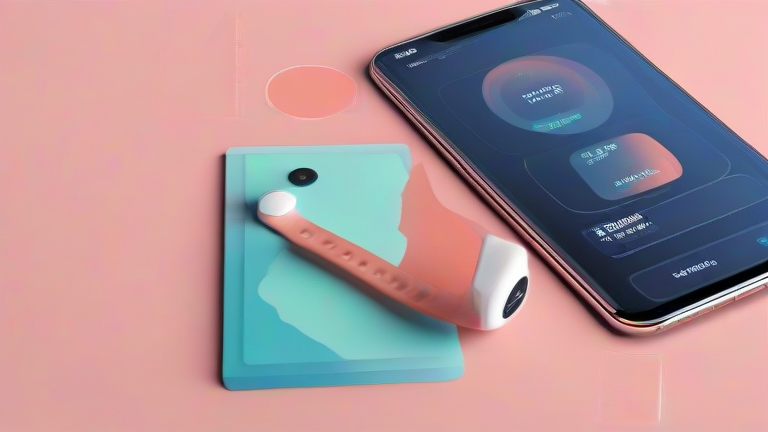
Wearable Tech: Real-Time Mental Health Monitoring

In the rapidly evolving landscape of digital health, wearable technology has transitioned from simple step counters to sophisticated physiological monitors. For individuals navigating the complexities of modern life, these devices offer a promising avenue for real-time mental health monitoring. By tracking subtle biomarkers such as heart rate variability (HRV), skin temperature, and galvanic skin response, wearables are beginning to provide actionable insights into our emotional states. This shift represents a paradigm change in how we understand and manage psychological well-being, moving from reactive treatment to proactive prevention.
The Science Behind the Data
The efficacy of mental health monitoring through wearables rests on the physiological correlates of stress and anxiety. When the body experiences psychological stress, the sympathetic nervous system activates the “fight or flight” response. This triggers measurable changes in the autonomic nervous system, most notably a decrease in HRV. HRV refers to the variation in time between each heartbeat. High HRV generally indicates a healthy, adaptable nervous system, while low HRV is often associated with stress, fatigue, or anxiety disorders.
Recent studies published in journals such as *Nature Digital Medicine* suggest that continuous HRV monitoring can predict stress episodes before they become overwhelming. Furthermore, changes in peripheral temperature and sweat gland activity, measured through galvanic skin response, provide additional layers of data regarding emotional arousal. By combining these metrics, algorithms can detect patterns that may signal the onset of a panic attack or a depressive episode, allowing for early intervention.
Lifestyle Integration and Practical Tips
While the technology is impressive, its true value lies in how we integrate it into our daily lives. To maximize the benefits of real-time monitoring, consider the following science-backed strategies:
First, establish a baseline. Wearable devices improve their accuracy over time as they learn your unique physiological patterns. Allow your device to collect data for at least two weeks without intervention to understand your normal resting states. This baseline is crucial for distinguishing between normal daily fluctuations and significant stress events.
Second, utilize biofeedback mechanisms. Many modern wearables offer guided breathing exercises when they detect elevated stress levels. Engaging in these exercises can actively lower your heart rate and restore
Leave a Reply