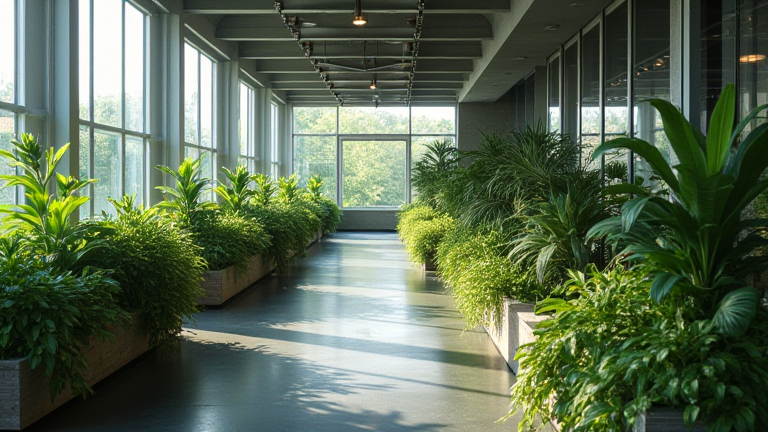
Vertical Farming Reduces Carbon Footprint | Sustainable Benefits
The global agricultural sector stands at a critical crossroads, facing the dual pressures of a growing population and the urgent need for environmental stewardship. Traditional farming methods, while historically effective, are increasingly unsustainable due to their heavy reliance on arable land, excessive water usage, and significant greenhouse gas emissions from transportation and fertilizer application. In this context, vertical farming emerges not just as a technological novelty, but as a vital strategic pivot for the future of food security and climate resilience.

Market analysis indicates that the vertical farming industry is on an exponential growth trajectory. Valued at approximately $4 billion in 2022, projections suggest the market could exceed $24 billion by 2030. This surge is driven by consumer demand for locally sourced, pesticide-free produce and corporate commitments to sustainability goals. Major retailers and fast-casual restaurant chains are actively seeking partnerships with vertical farmers to shorten supply chains, thereby reducing “food miles” and the associated carbon emissions from logistics.
If you want to dig deeper, check out our guide on Top 10 Tech Trends Shaping 2024: What You Need to Know.
From a strategic perspective, businesses must focus on energy efficiency to truly lower their carbon footprint. The primary environmental cost of vertical farming lies in electricity consumption for LED lighting and climate control. Therefore, successful strategies involve integrating renewable energy sources, such as solar or wind power, directly into farming operations. Furthermore, adopting closed-loop water systems can reduce water usage by up to ninety-five percent compared to traditional agriculture, preserving vital freshwater resources and reducing the energy required for water pumping and treatment.
Case studies from leading providers like AeroFarms and Bowery Farming illustrate these benefits in practice. AeroFarms, located in Newark, New Jersey, produces the equivalent of 390 acres of traditional farmland in a fraction of the space. By utilizing aeroponic technology, they have eliminated soil usage entirely and drastically cut water consumption. Similarly, Bowery Farming’s facilities in New York supply local grocery stores with leafy greens harvested within hours of delivery, virtually eliminating transport-related emissions
Leave a Reply