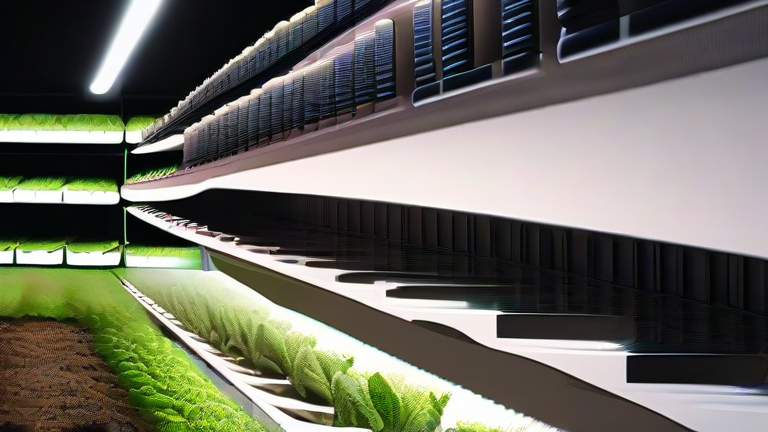
Vertical Farming: How It Feeds Urban Populations
Vertical farming represents a revolutionary shift in agricultural practices, allowing us to grow food in densely populated urban centers where arable land is scarce. By stacking layers of crops vertically, often in controlled indoor environments, this method maximizes yield per square foot while minimizing water usage and eliminating the need for pesticides. This guide will walk you through the essential steps to establishing a small-scale vertical farming system that can contribute to local food security and sustainability.
Step 1: Choose Your Location and System
Begin by identifying a suitable space with access to electricity and water. Basements, unused warehouses, or even large balconies can serve as ideal locations. Decide on a growing medium; hydroponics (water-based) and aeroponics (mist-based) are the most popular choices for vertical systems because they require less space than traditional soil farming. Hydroponics is generally easier for beginners, offering a stable nutrient delivery system that supports rapid plant growth.
If you want to dig deeper, check out our guide on How AI Agents Automate Enterprise Workflows in 2026.
Step 2: Install Lighting and Climate Control
Light is the most critical factor in indoor vertical farming. Invest in full-spectrum LED grow lights, which are energy-efficient and emit the specific wavelengths plants need for photosynthesis. Position these lights appropriately to ensure even coverage across all vertical layers. Additionally, install fans and dehumidifiers to maintain consistent temperature and humidity levels, preventing mold and mildew while promoting healthy air circulation around the leaves.
Step 3: Select High-Yield Crops
Not all crops are suitable for vertical farming. Focus on fast-growing, high-value leafy greens such as lettuce, spinach, kale, and herbs like basil and mint. These crops have shallow root systems, making them perfect for stacked arrangements. Avoid large fruiting plants like tomatoes or peppers unless you have significant vertical height and specialized support structures, as they require more resources and space.
Step 4: Manage Nutrients and Water
Since you are not using soil, you must provide all necessary nutrients through the water solution. Use
Leave a Reply