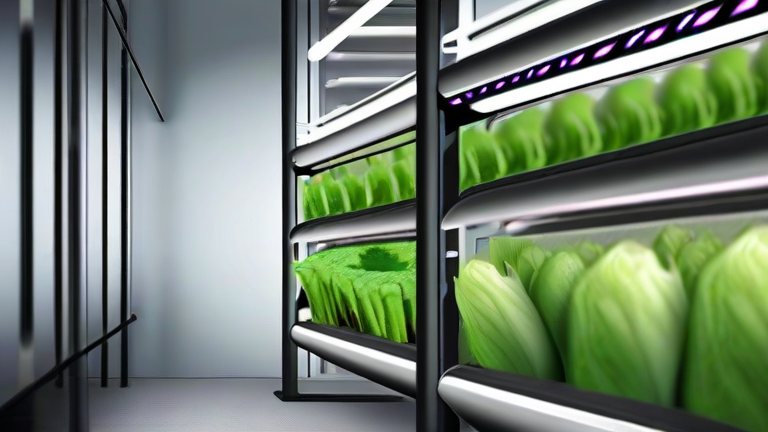
TL;DR: Vertical farming uses stacked, controlled indoor environments to grow leafy greens and herbs in the heart of major cities, slashing transport distances and water use by up to 95%. For city dwellers, this means fresher, pesticide-free produce with a smaller carbon footprint—and you can even apply its principles with a simple countertop herb garden.
Why Vertical Farming Is a Game-Changer for Urban Nutrition
In traditional agriculture, produce travels an average of 1,500 miles from farm to plate, losing nutrients and flavor along the way. Vertical farms flip this model by placing growing towers inside abandoned warehouses, shipping containers, or even grocery store basements. Using LED lights tuned to specific wavelengths, hydroponic or aeroponic systems deliver nutrients directly to roots, while sensors regulate temperature, humidity, and CO2 levels. According to a 2022 meta-analysis in Nature Food, vertical farms can produce up to 350 times more yield per square foot than field farming, while using 95% less water. For cities like New York, Tokyo, or London, this means a head of lettuce can go from harvest to your salad bowl in under 24 hours—retaining significantly more vitamin C and folate than its shipped counterpart.
If you want to dig deeper, check out our guide on Pampered Chef Smooth Edge Can Opener: Review & Tips.
Science-Backed Nutritional and Environmental Benefits
Research from the University of Wageningen shows that leafy greens grown under optimal LED spectra (red and blue light with added far-red) can have 20–30% higher antioxidant levels—like beta-carotene and lutein—than field-grown equivalents. Because vertical farms are enclosed, they eliminate the need for chemical pesticides, reducing your dietary exposure to residues. Environmentally, the shorter supply chain cuts food waste by up to 40%, as produce doesn’t spoil in transit. A 2023 life-cycle assessment in Journal of Cleaner Production found that vertical farms powered by renewable energy have a lower carbon footprint per kilogram than conventional lettuce, even including the energy-intensive lighting. For urban populations, this is a resilient food source—unaffected by droughts, floods, or supply chain shocks.
Lifestyle Tips: How You Can Embrace Vertical Farming
You don’t need a high-tech facility to benefit. Start a “micro-vertical” garden on your kitchen counter: stack 2–3 shallow trays with a grow light bulb (full-spectrum LED, 12 inches above plants). Grow fast-cycling microgreens like radish, broccoli, or sunflower—these are ready in 7–10 days and contain up to 40 times more nutrients than mature greens. Use a simple wicking system: a cotton rope draws water from a reservoir to the soil, automating hydration. For leafy greens like romaine or basil, buy a compact indoor vertical tower (under $100) that holds 6–8 plants. Place it near a south-facing window or under a timer set to 14 hours of light daily. Rotate crops every 3 weeks to prevent nutrient depletion. Finally, when shopping, look for labels like “locally vertical-farmed” or “indoor-grown” at your grocery store—these items are usually harvested within 48 hours, so choose them over imported alternatives for peak freshness.
FAQ
Q: Is vertical farming more expensive than conventional produce?
A: Initially, yes—retail prices can be 10–30% higher due to energy costs. However, as LED efficiency improves and renewable energy scales up, prices are dropping rapidly. In 2024, several U.S. chains sold vertical-farmed lettuce at parity with organic field-grown lettuce. You also pay for freshness and zero pesticide residue, which reduces long-term health costs.
Q: Do vertical farms actually reduce nutrient loss compared to traditional shipping?
A: Yes. Studies show that vitamin C in spinach can decline by 50% within 7 days of harvest—typical shipping time. Vertical-farmed produce, harvested and delivered within 24–48 hours, retains 80–90% of initial nutrient content. The controlled environment also allows growers to adjust light to boost specific vitamins like K1 and folate.
Q: Can
Leave a Reply