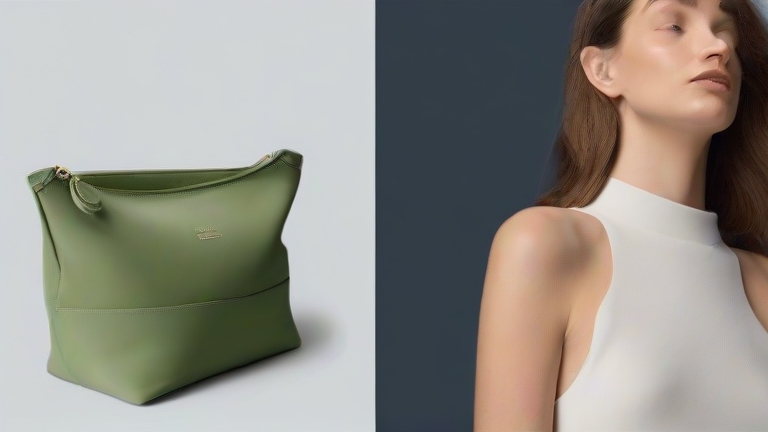
Sustainable Fashion Gains Regulatory Support | Eco Trends
The intersection of environmental policy and personal style has never been more critical. As global awareness of the textile industry’s carbon footprint intensifies, new regulatory frameworks are emerging to curb pollution and promote ethical labor practices. For the health-conscious individual, understanding these shifts is not merely about staying stylish; it is about aligning personal wellness with planetary health. The modern wellness advocate must recognize that what we wear impacts our physical health, mental clarity, and emotional well-being, making sustainable fashion a vital component of a holistic lifestyle.

Recent legislative moves in the European Union and several other regions mandate stricter transparency in supply chains. These regulations require brands to disclose the environmental impact of their products, from water usage to chemical treatments. This shift is profound for consumer health. Traditional fast fashion often relies on toxic dyes and synthetic fibers that release microplastics into our water systems and settle on our skin. By supporting brands that comply with these new standards, you reduce your exposure to harmful substances like phthalates and formaldehyde, which are linked to hormonal disruptions and skin irritations. Choosing certified organic cotton or recycled materials is a direct investment in dermatological and systemic health.
If you want to dig deeper, check out our guide on Top 10 Tech Trends Shaping the Future in 2024.
Beyond the regulatory landscape, the psychological benefits of sustainable consumption are gaining scientific traction. Studies in environmental psychology suggest that aligning your consumption habits with your values reduces cognitive dissonance and lowers stress levels. When you know your clothing was produced ethically, without exploiting workers or destroying ecosystems, you experience a sense of moral coherence. This mental clarity contributes to overall emotional stability. Moreover, the “slow fashion” philosophy encourages mindfulness. Instead of impulsive buying, you curate a wardrobe of high-quality, durable pieces. This practice fosters gratitude and reduces the anxiety associated with constant trend cycles, promoting a calmer, more centered mindset.
To integrate these principles into your daily routine, start with a wardrobe audit. Assess the condition of your current clothes and identify items made from natural, breathable fabrics like linen, hemp, or Tencel. These materials regulate body temperature better than synthetics, improving sleep quality and comfort. Next, adopt the “30-wear rule
Leave a Reply