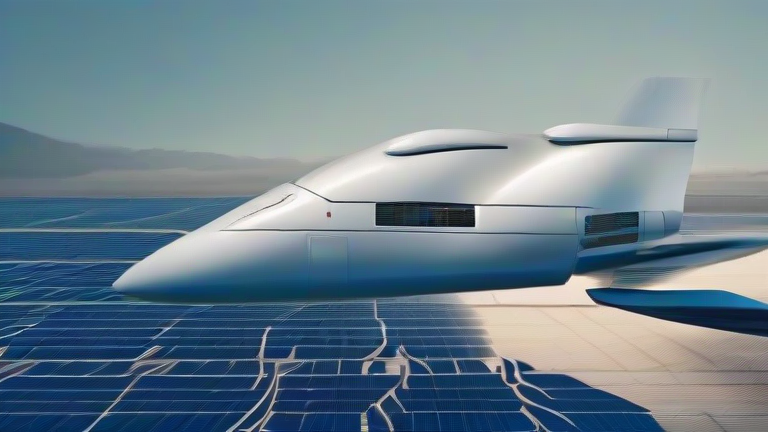
Sustainable Aviation Fuels: Replacing Jet Kerosene
The aviation industry stands at a critical crossroads. As global travel demands soar, so does the carbon footprint of flying. For decades, conventional jet kerosene has been the lifeblood of commercial flights, offering unmatched energy density and reliability. However, the environmental cost is undeniable. Enter Sustainable Aviation Fuels (SAFs), a revolutionary alternative that promises to decarbonize the skies without compromising performance. This review explores whether SAFs are truly ready to replace traditional jet fuel on a global scale.
Feature Highlights
SAFs are not a single product but a category of fuels derived from sustainable feedstocks such as used cooking oil, agricultural residues, and even municipal waste. The most significant feature of SAFs is their compatibility with existing aircraft infrastructure. Unlike hydrogen or electric powertrains, which require entirely new aircraft designs and airport infrastructure, SAFs can be blended with conventional jet fuel up to a 50% mix and used in current engines without modification. This “drop-in” capability is a game-changer for airlines eager to reduce emissions quickly.
If you want to dig deeper, check out our guide on Mental Health Apps & Wearable Biometric Data Integration.
Furthermore, SAFs can reduce lifecycle carbon emissions by up to 80% compared to fossil-based kerosene. Some advanced biofuels, produced via power-to-liquid technologies using captured carbon and renewable energy, offer near-zero carbon footprints. These features make SAFs an essential bridge technology, allowing the industry to meet interim climate goals while long-term solutions like hydrogen-powered aircraft are developed.
Comparisons and Challenges
When compared to traditional jet kerosene, SAFs currently lag in one key area: cost. Producing SAF is significantly more expensive due to complex processing requirements and limited feedstock availability. However, as production scales up and technology improves, prices are expected to drop. Another challenge is supply chain scalability. Currently, SAF production is a fraction of global jet fuel demand. Yet, major airlines and manufacturers are investing billions to expand production facilities.
Electric and hydrogen alternatives, while promising, face substantial hurdles regarding energy density and storage. Batteries are too heavy for long-haul flights, and hydrogen requires cryogenic storage and new airport infrastructure. In contrast, SAFs leverage existing global distribution networks, making them a more immediate and practical solution for widespread adoption.</p
Leave a Reply