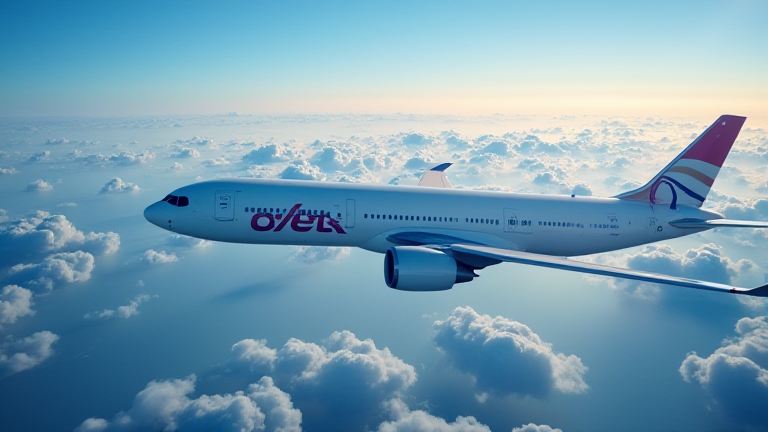
TL;DR: Sustainable Aviation Fuels (SAF) are transitioning from pilot projects to core procurement strategies, with global production capacity projected to triple by 2026, yet they still represent less than 0.5% of total jet fuel use. Airlines, fuel producers, and corporates are rapidly adopting SAF through off-take agreements and book-and-claim systems to meet decarbonization targets and regulatory mandates.
Market Analysis: The Tipping Point Approaches
The global SAF market was valued at approximately $1.1 billion in 2024, but aggressive policy tailwinds are reshaping the growth curve. The EU’s ReFuelEU Aviation mandate requires 2% SAF blending by 2025, rising to 70% by 2050. Meanwhile, the U.S. Inflation Reduction Act offers tax credits of $1.25–$1.75 per gallon for SAF with at least a 50% lifecycle emissions reduction. Asia is catching up: Singapore’s 2026 SAF levy on departing flights and Japan’s 10% SAF target by 2030 signal a regulatory cascade. However, supply remains the bottleneck—current global production hovers near 600 million gallons annually, against a demand of 100 billion gallons of conventional jet fuel. The price premium (SAF costs 2–4x fossil kerosene) is narrowing as new feedstock pathways (e.g., alcohol-to-jet from corn and sugarcane, power-to-liquid using green hydrogen) scale up. By 2030, consulting firm McKinsey projects SAF could reach price parity with conventional fuel in carbon-constrained markets.
If you want to dig deeper, check out our guide on Step-by-Step Guide to Mastering Lightroom Presets.
Strategy Insights: Beyond Compliance to Competitive Advantage
Successful adopters treat SAF not as a cost center but as a brand and logistics differentiator. Key strategic moves include: (1) Long-term offtake agreements—locking in volumes early (e.g., United Airlines has 3 billion gallons on order) to hedge against future shortages. (2) Book-and-claim systems—allowing corporate travelers to purchase SAF credits without physical delivery, decoupling fuel logistics from carbon accounting. This is critical for cargo and charter operators that lack hub-based fueling infrastructure. (3) Feedstock diversification—investing in multiple pathways (used cooking oil, municipal solid waste, agricultural residues) to avoid supply shocks from any single source. (4) Co-investment in refineries—rather than purchasing on spot markets, airlines like Delta and IAG have taken equity stakes in producers (e.g., DG Fuels, Fulcrum BioEnergy) to secure lower costs and influence technology roadmaps. The strategic trap to avoid is “greenwashing” via minimal 1% blends; regulators and NGOs are increasingly auditing actual emissions reductions per gallon.
Case Studies: Speed and Scale in Action
Case 1: Virgin Atlantic’s Transatlantic 100% SAF Flight (November 2023). This Boeing 787 flight from London to New York used 70 tons of SAF (88% HEFA from used tallow, 12% synthetic aromatic kerosene). The flight proved technical viability but also exposed logistics gaps—the aircraft had to be fueled at a dedicated tanker, and the SAF was produced in the U.S. and shipped to the UK. Key takeaway: infrastructure, not engine tech, is the rate-limiter.
Case 2: Singapore Airlines & the Changi SAF Blending Hub. In 2024, Singapore’s Civil Aviation Authority opened a centralized SAF blending facility, allowing multiple airlines to receive consistent 30% blends via existing hydrant systems. This reduced per-airline storage costs by 40% and enabled a mandatory 1% SAF uplift for all departing flights in 2026. The case demonstrates that government-led “common-use” infrastructure accelerates adoption among smaller carriers.
Case 3: DHL Express’s Book-and-Claim for E-Commerce. DHL contracted 300 million liters of SAF (via Neste) for its GoGreen Plus service, allowing e-commerce clients to pay a small surcharge to match their shipments with SAF
Leave a Reply