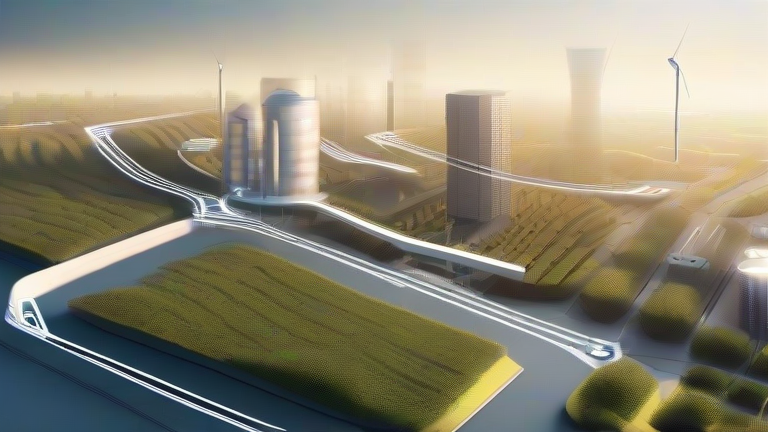
Smart Cities: How AI Grids Optimize Energy Use
The urban landscape of the 21st century is undergoing a profound transformation, driven not by concrete and steel, but by data and algorithms. As climate change accelerates and urban populations swell, the traditional energy grid—a rigid, one-way infrastructure built for a different era—is proving inadequate. Enter the smart city powered by Artificial Intelligence (AI). This technological revolution is not merely about adding solar panels or electric vehicles; it is about creating a dynamic, responsive energy ecosystem where supply and demand are balanced in real-time, minimizing waste and maximizing efficiency.
At the heart of this transformation lies the concept of the “AI Grid.” Unlike traditional grids that rely on manual adjustments and lagging data, AI-driven grids utilize machine learning models to predict energy consumption patterns with startling accuracy. These systems ingest vast amounts of data from smart meters, weather forecasts, traffic patterns, and even social media trends. By analyzing this information, AI can anticipate spikes in demand, such as those occurring during heatwaves or holidays, and adjust energy distribution proactively rather than reactively. This predictive capability is crucial for integrating renewable energy sources, which are often intermittent. For instance, if an AI system predicts a drop in solar output due to incoming clouds, it can automatically dispatch battery storage or increase output from wind turbines to maintain stability.
If you want to dig deeper, check out our guide on Lab-Grown Meat Hits Supermarket Prices: Mainstream Reality.
Recent developments in this field have moved beyond theoretical models to tangible deployments. Cities like Singapore, Helsinki, and San Diego are now piloting advanced grid management systems that reduce energy losses by up to fifteen percent. These systems employ edge computing, allowing decisions to be made locally at the grid level rather than sending all data to a central server, which significantly reduces latency and improves response times. Furthermore, the integration of digital twins—virtual replicas of physical grids—allows city planners to simulate various scenarios and optimize infrastructure investments without risking actual service disruptions.

The industry impact of these advancements is profound. For utility companies, AI offers a path to reduced operational costs and improved customer satisfaction through fewer outages. For technology firms, it opens up new markets for software solutions, hardware sensors
Leave a Reply