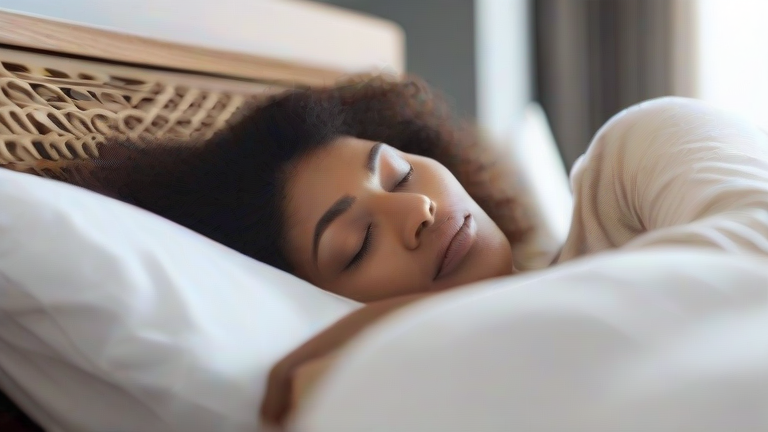
TL;DR: Sleep optimization technology has transitioned from niche luxury to essential daily utility, offering personalized insights to enhance rest quality. By integrating smart wearables, ambient lighting systems, and AI-driven algorithms, users can significantly improve their circadian rhythms and overall health metrics.
The Rise of Sleep Tech
In recent years, the bedroom has transformed into a high-tech sanctuary. What was once a passive activity is now an active optimization process. Consumers are increasingly turning to devices that monitor brain waves, heart rate variability, and environmental factors like humidity and light. This shift is driven by a growing awareness of how critical quality sleep is for mental clarity, physical recovery, and long-term health. The market is no longer dominated by simple white noise machines; it is filled with sophisticated ecosystems that adapt in real-time to your body’s needs.
Step 1: Choose the Right Wearable
The foundation of any sleep optimization strategy is accurate data collection. Start by selecting a wearable device that suits your comfort level. Options range from smart rings, which are discreet and comfortable for side sleepers, to headbands that track EEG activity for detailed brain wave analysis. Ensure the device syncs seamlessly with a comprehensive app. Look for metrics beyond simple sleep stages; advanced trackers now offer respiratory rate, blood oxygen levels, and stress scores. Consistency is key, so choose a device you will wear every night without discomfort.
Step 2: Optimize Your Environment
Once you have your data, focus on modifying your environment. Smart lighting systems are crucial for regulating melatonin production. Program your lights to dim and shift to warmer tones in the evening, signaling to your brain that it is time to wind down. Conversely, simulate a natural sunrise with bright, cool light in the morning to ease you into wakefulness. Additionally, consider smart thermostats that lower the room temperature to the optimal range for sleep, typically around 65 degrees Fahrenheit. These subtle environmental tweaks can dramatically improve sleep onset latency.
Step 3: Leverage AI Insights
Modern apps use artificial intelligence to analyze your data and provide actionable recommendations. Instead of just showing you graphs, these platforms suggest specific changes. For example, if the AI detects that caffeine consumption late in the day correlates with poor deep sleep, it will send a reminder to avoid coffee after a certain hour. Use these insights to experiment with different routines. Keep a journal or use the app’s notes feature to record how lifestyle changes affect your scores. This feedback loop is essential for long-term improvement.
Step 4: Maintain Consistency
Technology is a tool, not a cure-all. The most effective sleep optimization comes from combining tech insights with consistent habits. Go to bed and wake up at the same time every day, even on weekends. Create a pre-sleep ritual that includes disconnecting from screens and practicing relaxation techniques. Use your smart speaker to play calming sounds or guided meditations as part of this routine. Over time, your body will adjust, and the data will show sustained improvements in sleep quality and duration.
FAQ
Q: Is sleep tracking data accurate?
A: While consumer-grade devices are not medical-grade, they provide highly reliable trends for sleep stages and heart rate, sufficient for lifestyle adjustments.
If you want to dig deeper, check out our guide on FDA Approves Neurotech Brain-Computer Interfaces.
Q: Do I need multiple devices to optimize sleep?
A> No, a single wearable combined with smart home integration for light and temperature is often sufficient for significant improvements.
Q: Can sleep tech replace seeing a doctor?
A: No, these tools are for wellness and prevention; always consult a healthcare professional for diagnosed sleep disorders like apnea.
Leave a Reply