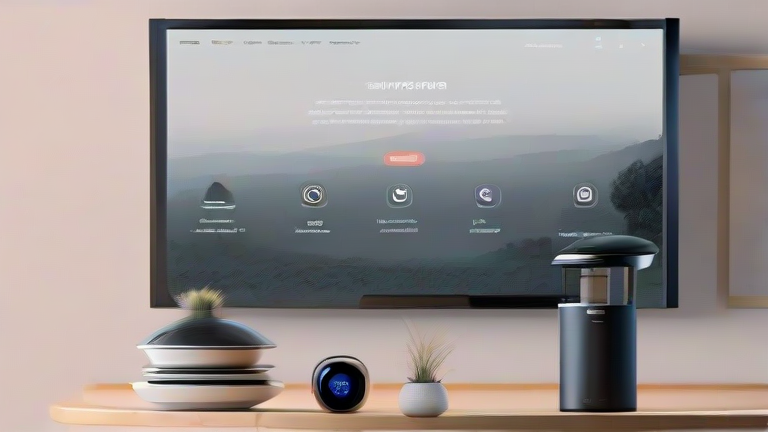
Open Standards Unite Smart Home Ecosystems

The smart home industry has long been fractured by proprietary walled gardens, creating a fragmented user experience that frustrates consumers and stifles innovation. For years, major tech giants fought for dominance, each building isolated ecosystems that refused to communicate with one another. However, a significant paradigm shift is underway. The rise of open standards, particularly Matter, is dismantling these barriers, promising a unified, interoperable future for connected devices. This article analyzes the current market landscape, strategic implications for stakeholders, and real-world case studies demonstrating the power of convergence.
Market Analysis: The Cost of Fragmentation
The global smart home market was valued at approximately $162 billion in 2023, with projections indicating a compound annual growth rate of over 25% through 2030. Despite this robust growth, fragmentation has acted as a significant headwind. Consumers often face the “setup headache,” where devices from different brands fail to integrate seamlessly. This lack of interoperability has led to high return rates and consumer skepticism. According to recent industry reports, nearly 40% of smart home owners have encountered compatibility issues, leading to abandoned projects. The market is now ripe for consolidation. Open standards reduce development costs for manufacturers by eliminating the need to create multiple versions of software for different platforms. For consumers, it offers peace of mind, ensuring that a purchase today will work with devices bought tomorrow, regardless of the brand. This shift is not merely a technical upgrade; it is a fundamental restructuring of the market’s value proposition, moving from vendor lock-in to consumer choice.
Strategic Insights for Industry Leaders
For manufacturers, the strategy must shift from exclusivity to inclusivity. In the past, proprietary ecosystems were a moat against competition. Today, they are a liability. Companies that cling to closed systems risk irrelevance as consumers demand seamless integration. Strategic insight suggests that early adopters of open standards will gain market share by offering superior user experiences. Furthermore, businesses must invest in robust cybersecurity frameworks. As devices become more interconnected, the attack surface expands. Security
Leave a Reply