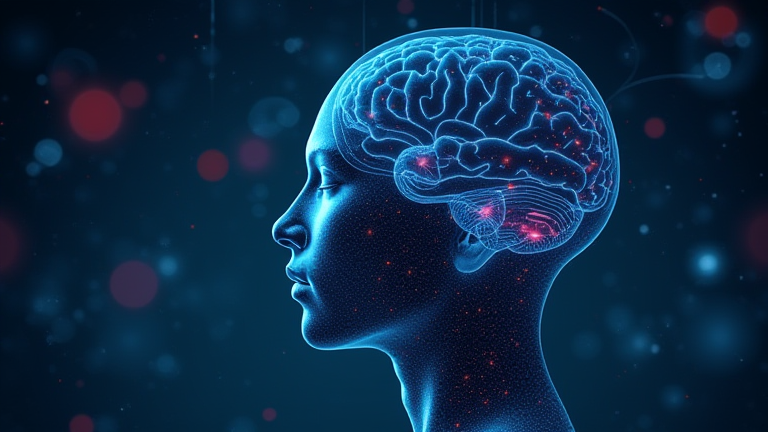
Mind-Controlled Tech: How Neural Interfaces Are Changing Everything
TL;DR: Neural interfaces are evolving from medical tools for paralysis into consumer-grade devices that enhance cognitive performance and digital interaction. By bridging the gap between biological thought and digital action, they offer new pathways for productivity, accessibility, and mental well-being, though ethical and health considerations remain critical.
The landscape of technology is shifting rapidly as brain-computer interfaces (BCIs) move beyond the confines of research laboratories and hospitals into the realm of everyday consumer technology. While early iterations were designed primarily to help individuals with severe neurological conditions regain motor function, modern advancements are unlocking potential for healthy individuals seeking to optimize their cognitive abilities. This transition marks a significant milestone in the history of human-computer interaction, promising a future where thought itself becomes a direct input mechanism for digital environments.
Understanding the Science Behind Neural Control
At its core, a neural interface works by detecting electrical signals generated by neurons in the brain. These signals, which represent thoughts, intentions, or sensory experiences, are captured by sensors and decoded by sophisticated algorithms. The most common non-invasive methods, such as electroencephalography (EEG), measure electrical activity on the scalp, offering a safe and accessible entry point for consumers. In contrast, invasive implants, while more precise, carry significant surgical risks and are currently reserved for clinical applications. Recent breakthroughs in signal processing have improved the speed and accuracy of this decoding, allowing users to control cursors, open applications, or even send messages using only their minds. However, it is crucial to understand that these systems do not “read” complex thoughts but rather interpret specific motor or cognitive patterns.
Practical Benefits and Lifestyle Integration
For the modern professional, the integration of neural interfaces offers tangible benefits in terms of efficiency and accessibility. Individuals with repetitive strain injuries or limited mobility can operate computers without physical keyboards or mice, reducing physical stress and preventing further injury. Moreover, for healthy users, these technologies can serve as tools for mindfulness and focus training. By providing real-time feedback on brain states, such as attention levels or relaxation, users can practice neurofeedback techniques to improve concentration and reduce stress. This biofeedback loop encourages users to develop healthier cognitive habits, leading to improved overall mental resilience.
To safely adopt these technologies into your lifestyle, start with non-invasive consumer-grade headsets. Begin with short sessions of ten to fifteen minutes to acclimate your brain to the feedback loops. Pair these sessions with traditional wellness practices like deep breathing or meditation to enhance the effectiveness of the neurofeedback. Always prioritize comfort; ensure the device fits snugly but does not cause pressure points or skin irritation. Furthermore, maintain a balanced digital diet. While neural tech can boost productivity, it should not replace the necessity for offline relaxation and social interaction. Over-reliance on digital cognitive optimization can lead to mental fatigue, so balance is key.
Ethical Considerations and Future Outlook
As neural interfaces become more prevalent, privacy concerns regarding brain data are paramount. Users must be vigilant about how their neural data is stored, processed, and shared by manufacturers. Choosing devices with robust encryption and transparent data policies is essential to protect one’s mental privacy. Looking ahead, the convergence of artificial intelligence and neural technology will likely lead to more intuitive and seamless interactions. However, the pace of adoption should be tempered by ethical guidelines that ensure these technologies are used to augment, not replace, human autonomy and decision-making.
FAQ
Q: Are consumer neural interfaces safe for daily use?
A: Non-invasive devices like EEG headsets are generally considered safe for short-term daily use, but users should follow manufacturer guidelines regarding duration and monitor for any signs of discomfort or skin irritation.
If you want to dig deeper, check out our guide on Store Brands vs. Name Brands: Why Store Brands Are Better Va.
Q: Can I use neural tech to improve my sleep quality?
A: Some devices offer sleep tracking and neurofeedback features that can help identify sleep patterns and provide gentle auditory cues to promote relaxation, potentially improving sleep hygiene when combined with good lifestyle habits.
Q: Do I need medical training to use these devices?
A: No, most consumer-grade neural interfaces are designed for laypeople to use with minimal setup, often requiring only a smartphone app to guide the
Leave a Reply