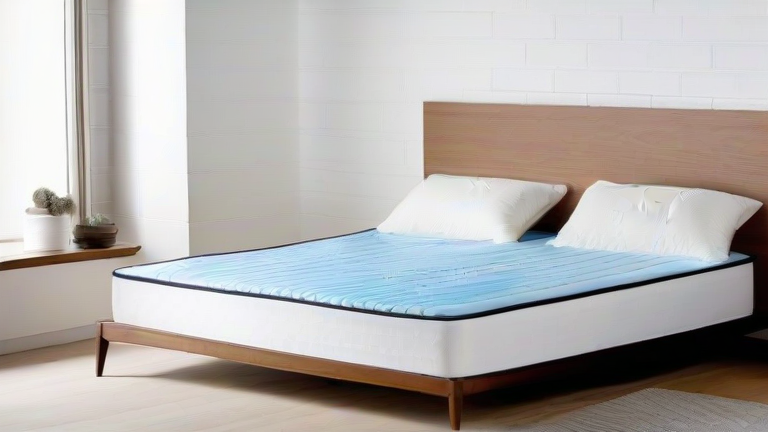
TL;DR: Most standard mattress cooling pads last between two to five years, depending heavily on the technology used and how meticulously you maintain them. While gel-infused foam may degrade faster, active cooling systems with moving parts can extend this lifespan significantly if the manufacturer’s care instructions are strictly followed.
Struggling with night sweats and restless sleep due to overheating? You are not alone. Many sleepers turn to mattress cooling pads to regulate their body temperature, but a common question arises: how long does this investment actually last? Understanding the lifespan of these products helps you make informed purchasing decisions and ensures you get the best value for your money. The durability of a cooling pad is not a one-size-fits-all metric; it varies based on material composition, usage patterns, and maintenance habits.
If you want to dig deeper, check out our guide on Top 10 Tech Trends Shaping the Future in 2024.
Understanding Material Durability
The primary factor determining longevity is the type of cooling technology employed. Gel-infused memory foam pads are popular for their initial cooling sensation, but the gel beads can lose their efficacy over time. Typically, these pads last about two to three years. The heat absorption capacity diminishes as the foam compresses and the gel breaks down, leading to a return of the “hot sleep” problem. In contrast, phase-change material (PCM) pads use advanced fabrics that absorb and dissipate heat. These tend to be more durable, lasting three to five years because the materials are integrated into the fabric weave rather than sitting as loose beads.
The Impact of Active Cooling Systems
For those willing to invest more, active cooling pads with water or air circulation systems offer a different durability profile. These devices contain mechanical pumps and tubing, which can last five to seven years or longer. However, the lifespan here is heavily dependent on mechanical maintenance. Mineral buildup in water-based systems can clog tubes if distilled water is not used, potentially shortening the unit’s life. Air-based systems, which use fans to circulate air, may experience wear on the motor after several years of continuous use. Therefore, while the initial cooling effect is powerful and immediate, the mechanical components require regular checks to ensure longevity.
Lifestyle Tips for Extending Lifespan
To maximize the life of your cooling pad, adhere to the manufacturer’s washing guidelines. Most pads require gentle machine washing on a cold cycle, while others must be hand-washed. Never use bleach or fabric softeners, as these chemicals can degrade the cooling fibers and break down the structural integrity of the foam. Additionally, rotate your pad every three months to ensure even wear and tear. Using a protective, breathable mattress protector over the cooling pad can also shield it from sweat, body oils, and spills, which are primary causes of material degradation. Proper storage during seasonal changes is also crucial; keep pads in a cool, dry place away from direct sunlight to prevent premature material breakdown. By combining high-quality products with diligent care, you can extend the functional life of your cooling pad, ensuring cooler nights for years to come.
FAQ
Q: Can I wash my cooling pad in a standard washing machine?
A: It depends on the type; many gel-infused foam pads are machine washable on a gentle, cold cycle, but always check the label first, as some active systems are not washable at all.
Q: How do I know if my cooling pad has lost its effectiveness?
A: If you notice you are waking up sweaty despite using the pad, or if the material feels less responsive and more compressed than when you first bought it, it has likely degraded.
Q: Do water-based cooling pads require special maintenance?
A: Yes, they typically require distilled water to prevent mineral buildup in the tubing, and you should occasionally flush the system to maintain pump efficiency and prevent clogs.
Leave a Reply