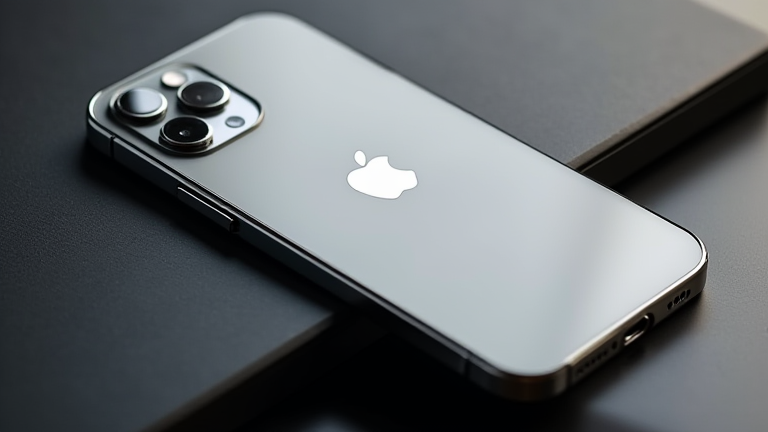
TL;DR: The iPhone 15 Pro Max’s titanium frame is significantly more scratch-resistant than the stainless steel found in previous models, making daily abrasions far less visible. However, the sapphire front glass remains vulnerable to scratches from harder materials like sand, meaning a case is still highly recommended for long-term pristine condition.
Material Innovation and Structural Changes
Apple’s decision to switch from surgical-grade stainless steel to aerospace-grade titanium for the iPhone 15 Pro and Pro Max represents a pivotal moment in smartphone manufacturing. This material change was not merely aesthetic; it was driven by the need to reduce weight while maintaining structural integrity. Titanium is approximately 40% lighter than stainless steel, yet it offers comparable strength and superior corrosion resistance. For consumers, the most immediate benefit is the reduced likelihood of minor surface scratches during everyday use. The brushed titanium finish naturally hides micro-abrasions that would have been glaringly obvious on the polished steel of the iPhone 13 and 14 Pro models. This shift addresses one of the most common consumer complaints regarding premium smartphones: the fragility of their exterior finishes.
Scratch Resistance and Real-World Performance
While the titanium frame is robust, it is crucial to distinguish between the frame and the display. The front of the device is protected by Apple’s Ceramic Shield, which is indeed very hard, but it is not impervious to all scratches. Materials with a higher Mohs hardness scale, such as quartz found in sand, can still scratch the glass. Independent durability tests have shown that while the titanium frame withstands keys and coins with minimal marking, the glass screen remains the weak point. Users who frequently carry their phones in pockets with loose change or keys should still exercise caution. The industry impact of this material shift is profound. It signals a move toward lighter, more durable materials across the entire tech sector, pushing competitors to adopt similar alloys in their own flagship devices.
Industry Impact and Future Trends
The success of the titanium implementation in the iPhone 15 Pro Max has set a new standard for durability in the premium smartphone market. Competitors are now under pressure to innovate beyond traditional glass and aluminum constructions. We are likely to see a surge in research and development regarding composite materials and advanced ceramics that offer better scratch resistance without adding significant weight. Furthermore, this shift influences repair economics. Titanium is harder to work with than steel, which may increase the cost and complexity of frame repairs. This could drive consumers toward insurance plans or manufacturer protection programs, altering the revenue models of tech companies. As battery technologies advance, the focus on weight reduction becomes even more critical, ensuring that materials like titanium will play a central role in future device designs. Ultimately, while the iPhone 15 Pro Max is more durable than its predecessors, it is not indestructible. Proper care remains essential to maintain its premium appearance.
FAQ
Q: Is the titanium frame completely scratch-proof?
A: No, while it is significantly more resistant to scratches than stainless steel, it can still be damaged by sharp objects or extreme force.
If you want to dig deeper, check out our guide on Fast-Track Distribution: Integrating Services Into Your Plat.
Q: Do I still need a case for the iPhone 15 Pro Max?
A: Yes, a case is recommended to protect the front glass screen and the camera lenses from scratches and drops.
Q: How does titanium affect the weight of the phone?
A: The use of titanium makes the iPhone 15 Pro Max notably lighter than the iPhone 14 Pro Max, improving handling comfort.
Leave a Reply