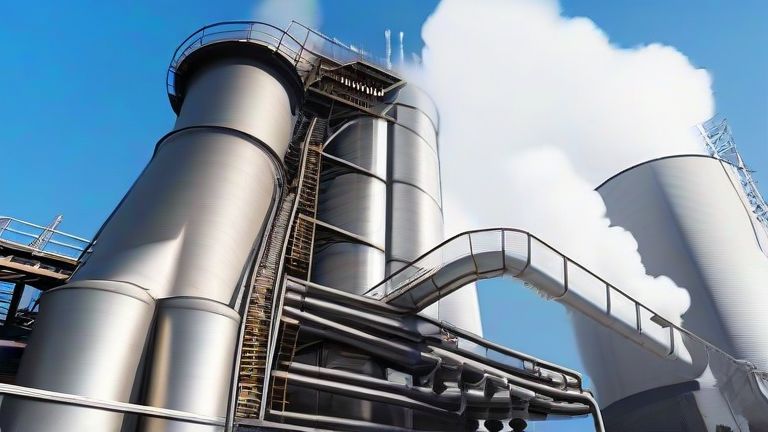
TL;DR: Cement plants can remove CO2 by integrating carbon capture technologies that mineralize emissions directly into the final concrete product. This process not only neutralizes manufacturing emissions but also sequesters atmospheric carbon within durable infrastructure materials.
The cement industry, responsible for approximately eight percent of global carbon dioxide emissions, is undergoing a radical transformation. Traditionally viewed as a primary contributor to climate change, modern facilities are now pioneering innovative methods to become carbon-negative. The latest developments focus on two distinct pathways: carbon capture, utilization, and storage (CCUS), and direct mineralization. These technologies allow plants to intercept exhaust gases before they escape into the atmosphere or to inject captured CO2 directly into the mixing process for concrete production.
If you want to dig deeper, check out our guide on VLC Blames Windows 11 Bug for Slow Performance.
Recent pilot projects in Europe and North America have demonstrated the technical feasibility of these systems. Advanced scrubbers equipped with amine-based solvents can capture up to ninety-five percent of CO2 from kiln flue gases. However, the most groundbreaking innovation lies in carbon mineralization. In this process, captured CO2 is reacted with calcium-rich industrial byproducts, such as steel slag or cement kiln dust. The result is a stable carbonate material that can be used as an aggregate in new concrete. This method effectively turns waste into a carbon sink, creating a circular economy where the building materials themselves remove greenhouse gases from the air.
Industry impact is profound. By adopting these technologies, cement manufacturers can meet stringent regulatory standards and appeal to environmentally conscious construction firms. Early adopters report that carbon-infused concrete often exhibits improved durability and reduced permeability, offering structural advantages over traditional mixes. Furthermore, the ability to sell carbon credits adds a new revenue stream, potentially offsetting the high initial capital costs of installation. As scaling efforts progress, the cost per ton of captured carbon is expected to drop significantly, making widespread adoption economically viable.
Despite the promise, challenges remain. Energy requirements for capture processes can increase overall plant consumption, necessitating renewable energy integration to ensure true net-zero benefits. Supply chain logistics for transporting captured CO2 to storage sites or utilization hubs also require robust infrastructure development. Nevertheless, the momentum is undeniable. With significant investments from both private equity and government grants, the cement sector is rapidly shifting from a polluter to a pivotal player in global decarbonization efforts.
FAQ
Q: How does mineralization remove carbon from the atmosphere?
A: It reacts captured CO2 with calcium-rich materials to form stable solid carbonates that store carbon permanently in concrete.
Q: What is the primary cost barrier for cement plants adopting these technologies?
A: The high initial capital expenditure for installing advanced capture scrubbers and retrofitting existing kiln infrastructure.
Q: Does using carbon-infused concrete affect building safety?
A: No, studies show it often enhances durability and structural integrity compared to traditional concrete mixes.
Leave a Reply