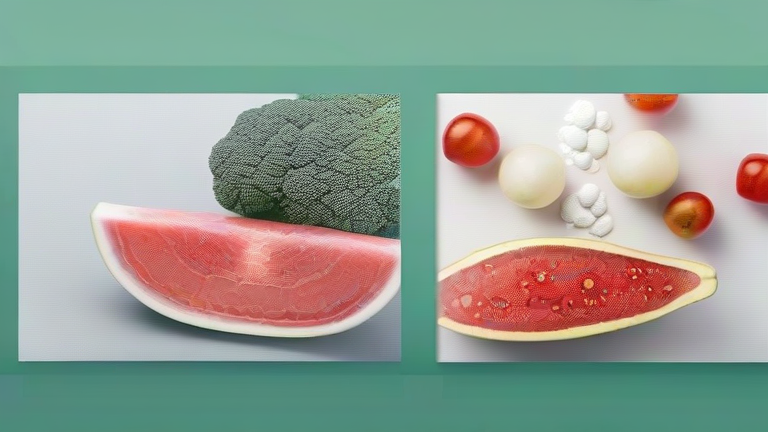
TL;DR: No, you do not need to worry about pesticides on frozen produce because rigorous washing and blanching processes significantly reduce residue levels. Regulatory standards ensure that frozen fruits and vegetables remain safe, nutritious, and often contain higher vitamin retention than their fresh counterparts.
Understanding the Science Behind Frozen Safety
The modern food supply chain has evolved dramatically, with frozen produce accounting for a significant portion of consumer purchases. A common misconception persists that freezing traps harmful chemicals, but recent studies indicate the opposite. The blanching process, which involves briefly scalding vegetables in boiling water or steam before freezing, effectively removes surface contaminants. This thermal treatment degrades many pesticide residues, ensuring that the final product is cleaner than one might expect. Furthermore, freezing preserves nutrients at their peak, often capturing vitamins that degrade during the long transit of fresh produce.
Latest Regulatory Developments
Government agencies worldwide are tightening regulations on agricultural chemicals. The latest updates from the Environmental Protection Agency (EPA) focus on reducing the toxicity thresholds for common pesticides. These changes force agricultural producers to adopt Integrated Pest Management (IPM) strategies, which minimize chemical usage. For frozen produce manufacturers, this means stricter sourcing requirements. Companies must now verify that their suppliers adhere to these new, lower tolerance levels. Consequently, the industry has seen a surge in organic frozen options, catering to health-conscious consumers who prioritize chemical-free diets.
Industry Impact and Market Trends
The demand for safe, convenient food has driven innovation in cold storage technology. Advanced freezing methods, such as Individual Quick Freezing (IQF), preserve texture and flavor while maintaining safety standards. This technology allows producers to freeze produce immediately after harvest, locking in nutrients and reducing the time for potential contamination. The industry impact is profound, with major retailers reporting increased sales of frozen goods as consumers seek reliable sources of nutrition. Additionally, the reduction in food waste due to longer shelf lives supports sustainability goals, aligning with global efforts to create a more efficient food system.
FAQ
Q: Does freezing kill pesticides?
A: Freezing itself does not kill chemicals, but the blanching process before freezing breaks down many residues, significantly reducing levels.
If you want to dig deeper, check out our guide on 2024 Top Trends: What’s Shaping the Future of SEO.
Q: Are frozen vegetables less nutritious than fresh ones?
A: No, frozen vegetables are often more nutritious because they are frozen at peak ripeness, preserving vitamins that fresh produce may lose during transport.
Q: Should I rinse frozen vegetables before cooking?
A: It is generally unnecessary to rinse frozen vegetables as they are pre-washed and blanched, but you can rinse them if you prefer.
Leave a Reply