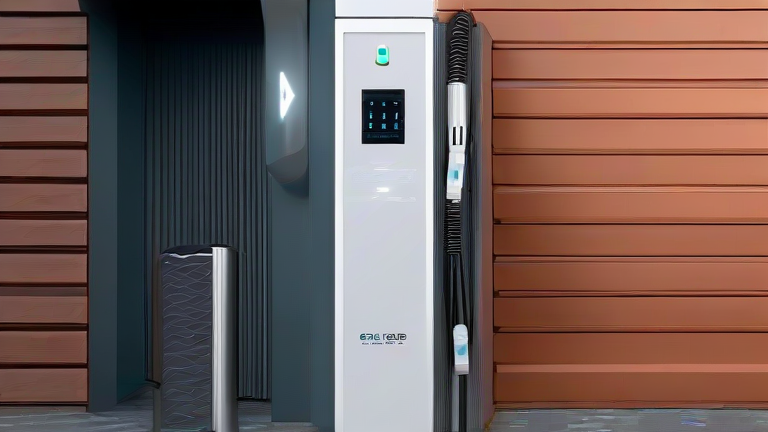
EV Charging Infrastructure: The Ultimate Guide to Building & Scaling
The transition to electric mobility is no longer a distant promise but a present reality, driven by aggressive global decarbonization goals and shifting consumer preferences. At the heart of this revolution lies the charging infrastructure, the backbone that supports the growing fleet of electric vehicles (EVs) on roads worldwide. As automakers race to electrify their lineups, the demand for robust, reliable, and scalable charging networks has never been more critical. This guide explores the latest developments in charging technology, essential specifications for deployment, and the profound industry impact of building a future-ready energy grid.
The Latest Developments in Charging Technology
Innovation in the charging sector is accelerating at an unprecedented pace. The most significant shift is the widespread adoption of high-power charging (HPC) standards, particularly those aligned with the North American Charging Standard (NACS). Tesla’s open-access strategy has unified the market, compelling traditional automakers to adopt the same connector type, thereby simplifying user experience and reducing fragmentation. Furthermore, bidirectional charging technology is moving from pilot programs to commercial viability. This innovation allows EVs to not only draw power from the grid but also return it, turning vehicles into mobile energy storage units that can stabilize local grids during peak demand periods.
If you want to dig deeper, check out our guide on EU Enforces Strict AI Liability Laws.
Additionally, wireless charging pads are gaining traction for urban and fleet applications, offering convenience through contactless energy transfer. Meanwhile, software-defined charging platforms are emerging, enabling dynamic load management and seamless payment integration across different networks. These technological leaps are essential for addressing range anxiety and ensuring that charging is as effortless as refueling a conventional car.
Essential Specifications for Deployment
Building a scalable infrastructure requires careful consideration of technical specifications. Level 2 chargers, delivering up to 19.2 kW, remain the standard for residential and workplace charging, providing sufficient range for daily commutes. However, for public fast-charging stations, DC fast chargers are the industry standard, with outputs ranging from 50 kW to over 350 kW. Modern ultra-fast chargers can add up to 200 miles of range in just ten minutes, significantly reducing downtime for long-distance travelers.
Network reliability is paramount. Chargers must be equipped with robust connectivity modules to support Over-the-Air (OTA) updates
Leave a Reply