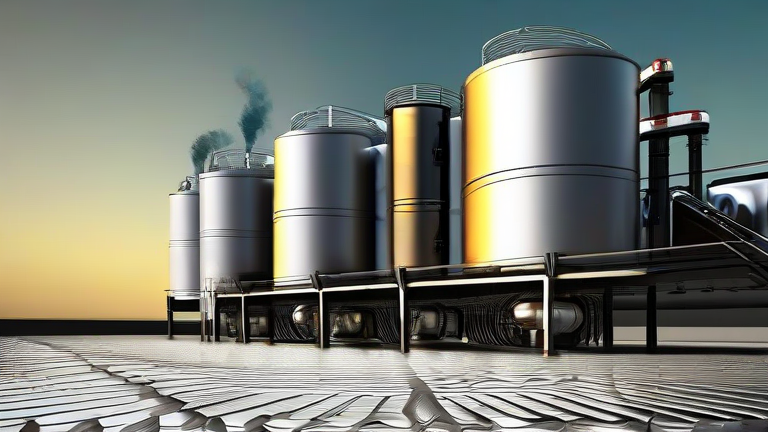
TL;DR: Climate tech funds have surged significantly in the past year, driven by heightened regulatory pressures and corporate net-zero commitments. This influx of capital is accelerating the deployment of direct air capture and carbon mineralization technologies, transforming them from experimental prototypes into scalable industrial solutions.
The Investment Boom
The landscape of climate technology is undergoing a dramatic transformation. After years of stagnation, venture capital and private equity firms are pouring billions into carbon capture, utilization, and storage (CCUS) startups. This surge is not merely a trend but a strategic pivot by investors recognizing the urgent need for scalable decarbonization tools. Major financial institutions are now prioritizing climate tech portfolios, viewing carbon removal as a critical asset class with high potential for long-term returns. The primary drivers include the European Union’s stringent carbon border adjustment mechanisms and the United States’ expanded 45Q tax credits, which provide tangible economic incentives for project developers.
Technological Specifications and Innovations

Recent developments focus on improving efficiency and reducing costs. New solvent-based systems utilize advanced amines that require significantly less energy for regeneration compared to traditional methods. Meanwhile, solid sorbent technologies offer modular solutions that can be deployed in remote locations, reducing transportation emissions associated with captured CO2. Direct Air Capture (DAC) facilities are now being designed with capacities exceeding one million tons of CO2 annually. These systems integrate renewable energy sources, such as wind or solar, to power the massive fans and heating elements required for the capture process. Furthermore, innovations in carbon mineralization allow captured CO2 to be permanently stored by reacting it with basaltic rocks, creating stable carbonate minerals that mimic natural weathering processes. This method ensures permanent sequestration, addressing one of the biggest concerns regarding the longevity of stored carbon.
Industry Impact and Market Dynamics
The influx of capital is reshaping the broader industrial sector. Heavy industries such as cement, steel, and aviation, which are difficult to decarbonize through electrification alone, are increasingly relying on carbon capture technologies to meet their sustainability goals. Partnerships between tech startups and established industrial giants are becoming commonplace, facilitating rapid scaling and market penetration. This collaboration accelerates the deployment of CCUS infrastructure, creating a robust supply chain for captured carbon. The market is also witnessing a shift towards carbon utilization, where captured CO2 is converted into synthetic fuels, chemicals, or building materials. This circular economy approach not only reduces waste but also creates new revenue streams for producers. As technology matures and costs decline, carbon capture is transitioning from a niche solution to a mainstream component of global climate strategy. The synergy between policy support, technological innovation, and financial investment is creating a fertile ground for growth. Stakeholders across the energy, technology, and finance sectors are aligning their interests, fostering an ecosystem where sustainable practices are economically viable and environmentally imperative. This convergence marks a pivotal moment in the fight against climate change, offering hope for a greener future through aggressive technological adoption and sustained financial commitment.
FAQ
Q: What is driving the surge in climate tech funding?
A: Regulatory pressures, corporate net-zero commitments, and improved tax incentives like the 45Q credit are driving the surge.
If you want to dig deeper, check out our guide on Sustainable Aviation Fuel: Scaling Up for Air Travel.
Q: How do new carbon capture technologies differ from older ones?
A> New technologies use advanced solvents and renewable energy integration to significantly reduce energy consumption and operational costs.
Q: What is the primary industrial application for carbon capture today?
A> Heavy industries like cement, steel, and aviation are the primary users, as they struggle to decarbonize through electrification alone.
Leave a Reply