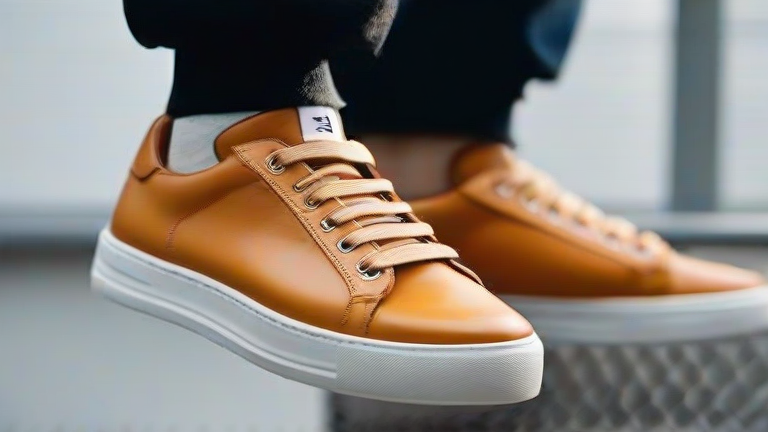
TL;DR: The current streetwear landscape is dominated by the resurgence of retro running silhouettes and the continued dominance of collaborative luxury releases. Consumers are prioritizing comfort and sustainability alongside aesthetic appeal, making versatile, heritage-inspired models the top picks for the modern wardrobe.
The Evolution of Street Style Footwear
The sneaker industry has undergone a seismic shift in recent years, moving from niche athletic wear to a central pillar of global fashion culture. According to recent market analysis by the NPD Group, the sneaker market is projected to reach $125 billion by 2025, driven largely by the Gen Z and Millennial demographics who view footwear as a primary form of self-expression. This economic surge is not merely about volume but about the value consumers place on brand narrative, exclusivity, and comfort. The days of the sleek, high-heeled formal shoe being the ultimate status symbol have largely passed, replaced by the chunky, comfortable, and culturally resonant sneaker.
If you want to dig deeper, check out our guide on 7 Simple Health Habits That Will Transform Your Life Today.
Top Picks Defining the Current Aesthetic
When analyzing the most trending sneakers for streetwear this season, three distinct categories emerge. First, the “dad shoe” trend continues to evolve. Models like the New Balance 990v6 and the Asics Gel-Kayano 14 have transcended their athletic origins to become staples in high-fashion streetwear. These shoes offer a perfect blend of nostalgia and modern comfort, appealing to consumers who prioritize wearability without sacrificing style. Second, the collaboration between heritage athletic brands and luxury fashion houses remains a powerful force. Limited-edition releases from brands like Balenciaga partnering with Adidas or Nike collaborating with high-end designers continue to drive hype and secondary market value. These pieces are not just shoes; they are collectible assets that signal insider knowledge and status within the community.
Third, sustainability is no longer a niche concern but a mainstream demand. Brands that incorporate recycled materials and transparent supply chains are gaining significant market share. The Adidas Ultraboost made with Parley ocean plastic and the Veja Campo sneakers exemplify this shift. Consumers are increasingly asking questions about where their products come from and how they are made. This ethical consumption trend is reshaping marketing strategies and product development across the entire industry.
Expert Insights and Future Predictions
Industry experts predict that the future of streetwear sneakers will be defined by digital integration and hyper-personalization. We are already seeing the early stages of this with the rise of digital wearables and NFT-linked physical products. Furthermore, the line between athletic performance and everyday fashion will continue to blur. As remote work becomes more permanent for many, the demand for versatile footwear that can transition from a home office to a casual outing is skyrocketing. Experts suggest that brands failing to adapt to this flexibility will lose relevance. The key to future success lies in creating products that are not only visually striking but also adaptable to multiple lifestyles. Sustainability will also play a crucial role, with circular economy models, such as take-back and recycling programs, becoming standard practice rather than a marketing gimmick.
FAQ
Q: What is the most popular sneaker silhouette for streetwear in 2024?
A: Retro running shoes and chunky “dad shoes” are currently the most popular silhouettes, offering a blend of nostalgia and comfort.
Q: How important is sustainability in current sneaker trends?
A: Sustainability is highly important, with a significant portion of consumers willing to pay a premium for eco-friendly materials and ethical production practices.
Q: Will luxury collaborations remain relevant in the future?
A: Yes, luxury collaborations are expected to remain relevant as they create exclusivity and hype, though brands will need to focus more on quality and storytelling to maintain consumer interest.
Leave a Reply