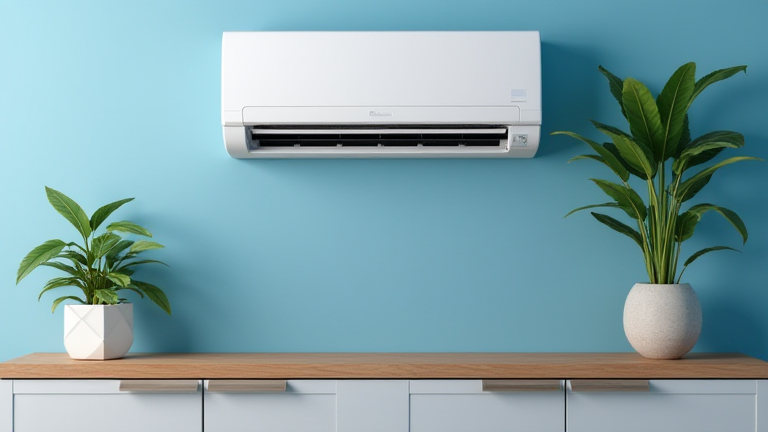
TL;DR: The most effective method for saving on AC costs is maintaining a strict thermostat schedule and regular filter cleaning, which directly reduces compressor strain and energy consumption. Behavioral adjustments, such as using ceiling fans and sealing drafty windows, amplify these savings by reducing the total cooling load required.
Understanding the Cooling Load
Before diving into specific tactics, it is crucial to understand that air conditioning systems work hardest when they are fighting against heat gain. The primary drivers of this heat gain include solar radiation through windows, internal heat sources like appliances and people, and poor insulation. To truly lower your utility bill, you must minimize the workload placed on the system. This approach is scientifically sound because HVAC systems are most efficient when running at a constant, moderate output rather than cycling on and off at maximum capacity.
If you want to dig deeper, check out our guide on Uzbekistan by High-Speed Rail: Travel Guide & Tips.
One of the most impactful steps is upgrading to a programmable or smart thermostat. These devices allow you to set temperature setbacks during hours when the home is unoccupied or when inhabitants are sleeping. Studies indicate that raising the thermostat by just seven to ten degrees for eight hours a day can result in savings of up to ten to fifteen percent on annual heating and cooling costs. This adjustment aligns with the concept of “load shifting,” where you avoid peak energy usage times and reduce the total runtime of the compressor.
Maintenance and Behavioral Adjustments
Regular maintenance is often overlooked but is critical for efficiency. A dirty air filter restricts airflow, forcing the fan and compressor to work harder to circulate air. Replacing filters every one to three months, depending on usage and pet ownership, ensures optimal airflow. Additionally, cleaning the outdoor condenser unit of debris like leaves and grass prevents overheating, which can lead to reduced efficiency and potential system failure. A well-maintained system runs cooler and uses less electricity, directly translating to lower bills.
Lifestyle habits also play a significant role. Utilizing ceiling fans allows you to raise the thermostat setting by about two degrees without sacrificing comfort. This works because fans create a wind-chill effect on the skin, making you feel cooler than the actual air temperature. It is important to turn fans off when leaving a room, as they cool people, not rooms. Furthermore, managing solar gain by using blinds or curtains during the day can significantly reduce the amount of heat entering your home. Sealing gaps around windows and doors with weatherstripping prevents cool air from escaping and hot air from entering, ensuring that the conditioned air remains inside where it is needed.
By combining technical maintenance with smart behavioral changes, you create a synergistic effect that maximizes energy efficiency. This holistic approach not only saves money but also extends the lifespan of your HVAC equipment, providing long-term benefits for both your wallet and your home’s infrastructure.
FAQ
Q: Is it cheaper to keep the AC running at a constant temperature or to cycle it on and off?
A: It is generally more efficient to keep the temperature constant or use a slight setback, as turning the system off and then cooling a hot room requires significantly more energy than maintaining a steady state.
Q: How often should I replace my HVAC air filter?
A: For standard 1-inch filters, replace them every one to three months; for higher-quality pleated filters, check them monthly and replace every six to twelve months depending on usage and air quality.
Q: Do ceiling fans actually reduce electricity bills?
A: Yes, ceiling fans allow you to raise the thermostat by approximately two degrees, which reduces the workload on the air conditioner and lowers energy consumption, provided you turn them off when leaving the room.
Leave a Reply