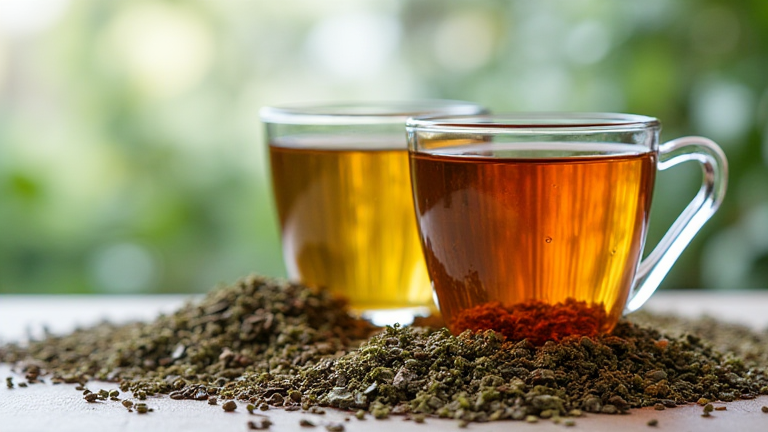
TL;DR: Dried herbs offer intense, concentrated flavor and long shelf stability, making them ideal for slow-cooked dishes, while brewed herbs provide gentle, nuanced infusions that preserve delicate volatile oils perfect for teas and quick infusions. Choosing between the two depends entirely on whether you need robust depth for savory cooking or soothing aromatic properties for beverages and light preparations.
Understanding the Core Differences
The primary distinction between dried and brewed herbs lies in their preparation state and chemical composition. Dried herbs are fresh plants that have been dehydrated to remove moisture, a process that concentrates their essential oils and flavors. This concentration means you generally need less dried herb compared to fresh, but it also changes the texture and intensity. Brewed herbs, typically used in the form of teas or infusions, involve steeping either fresh or dried plant material in hot water. This method extracts water-soluble compounds, creating a beverage that is often softer in flavor profile and designed for hydration and relaxation rather than seasoning food.
If you want to dig deeper, check out our guide on 10 Proven Ways to Boost Your Health & Energy Today.
Step-by-Step Guide to Using Dried Herbs
To maximize the potential of dried herbs, follow these precise steps. First, always crush dried herbs between your palms before adding them to your dish. This simple action releases trapped essential oils that might otherwise remain dormant, significantly enhancing the aromatic experience. Second, add dried herbs early in the cooking process, especially during sautéing or simmering. The low heat helps rehydrate the leaves and allows their robust flavors to meld with other ingredients over time. Third, use the one-third rule: if a recipe calls for fresh herbs, use only one-third the amount of dried herbs. For example, if you need one tablespoon of fresh basil, use one teaspoon of dried basil. Finally, store your dried herbs in airtight containers away from direct sunlight to prevent the loss of potency and color. Check expiration dates regularly, as dried herbs typically lose their vibrancy after six to twelve months.
Step-by-Step Guide to Brewing Herbs
Brewing herbs requires a different approach to preserve their delicate nature. Begin by selecting high-quality loose-leaf herbs or tea bags specifically designed for infusion. Boil fresh, filtered water and let it cool slightly if using delicate herbs like chamomile or mint, as boiling water can scorch the leaves and create bitterness. Place the herbs in a teapot or infuser and pour the hot water over them. Cover the vessel to prevent the evaporation of volatile aromatic compounds. Let the herbs steep for three to five minutes, depending on the desired strength. Remove the herbs promptly to avoid over-extraction, which can lead to an astringent taste. Enjoy your brew plain or with a touch of honey or lemon.
Tips for Success
Experiment with combinations. Pair dried rosemary with roasted meats for a pungent, earthy note, or brew lemon balm with dried lavender for a calming evening tea. Always taste as you go, adjusting quantities to suit your personal preference. Remember that dried herbs are powerful, so start small and build up. For brewed herbs, freshness is key; if using fresh herbs for tea, rinse them thoroughly to remove any pesticides or dirt. Both methods offer unique health benefits and culinary pleasures, so mastering both will greatly expand your cooking and wellness repertoire.
FAQ
Q: Can I substitute dried herbs for brewed herbs in a recipe?
A: No, because dried herbs are meant for seasoning food with concentrated flavors, while brewed herbs are steeped for beverages and have a different extraction profile that does not work well as a direct cooking substitute.
Q: How long do dried herbs last compared to fresh herbs?
A: Dried herbs can last for six to twelve months if stored properly in a cool, dark place, whereas fresh herbs typically wilt and lose potency within one to two weeks in the refrigerator.
Q: Is it better to use fresh or dried herbs for making tea?
A: It depends on the herb; delicate herbs like mint and chamomile are often better fresh to preserve their volatile oils, while tougher herbs like
Leave a Reply