How Remote Work Hubs Are Reshaping Urban Real Estate Markets
The traditional nine-to-five grind has vanished, replaced by a flexible, location-agnostic lifestyle that has fundamentally altered the landscape of urban planning and real estate investment. As companies across the globe embrace hybrid models, the demand for centralized office towers is waning, while the need for accessible, high-quality remote work hubs is skyrocketing. This shift is not merely a trend; it is a structural transformation of city centers, turning dormant skyscrapers into vibrant co-working ecosystems and transforming suburban neighborhoods into new economic hotspots. For investors, developers, and professionals alike, understanding this transition is crucial for navigating the future of property value and community engagement.
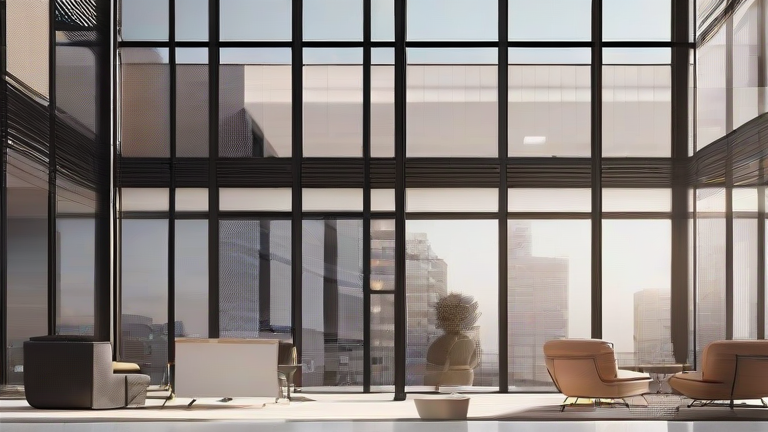
At the heart of this revolution are the modern remote work hubs. Unlike traditional co-working spaces found in downtown districts, these new hubs are designed with a specific focus on connectivity, wellness, and community integration. They offer more than just a desk and Wi-Fi; they provide a holistic environment that supports productivity without the isolation of working from home.  The design philosophy prioritizes biophilic elements, such as indoor greenery and abundant natural lighting, which have been proven to boost mood and cognitive function. Furthermore, these hubs often feature soundproof pods for focused work and spacious lounge areas for collaborative brainstorming, catering to the diverse needs of remote workers.
If you want to dig deeper, check out our guide on Top 10 Tech Trends Shaping the Future of Business in 2024.
Feature Highlights: What Defines a Modern Hub
When evaluating the new generation of remote work hubs, several key features stand out as essential for success. First is the technological infrastructure. High-speed, redundant internet connections are non-negotiable, but leading hubs are also integrating smart building technologies that allow users to book rooms, adjust lighting, and order catering via intuitive mobile applications. Second is the emphasis on health and safety. Post-pandemic expectations require rigorous cleaning protocols and air filtration systems that exceed industry standards. Third is the community aspect. Successful hubs host regular networking events, skill-sharing workshops, and wellness seminars, fostering a sense of belonging that counters the loneliness often associated with remote work.
Comparing Traditional Offices to Hybrid Hubs
Comparing
Leave a Reply