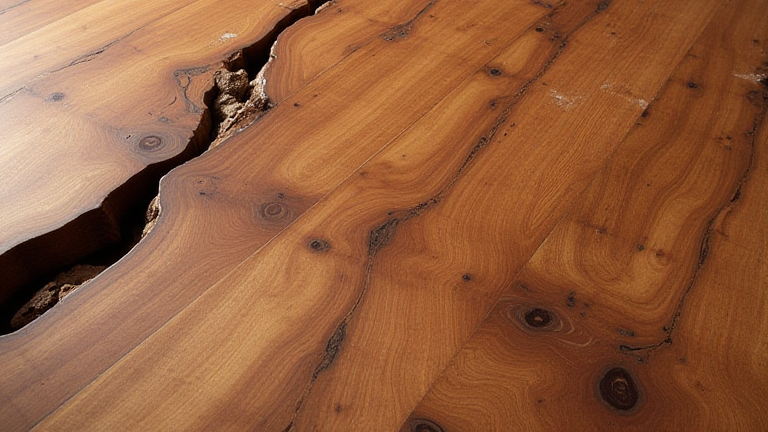
TL;DR: Liquid wood is a bio-based material made from lignin, cellulose, and natural resins that can be molded like plastic but behaves like wood, and it is surging in popularity as brands seek plastic-free alternatives. Its rapid adoption is driven by tightening single-use plastics regulation, consumer demand for sustainable materials, and new injection-molding capabilities that finally make it cost-competitive.
A Bio-Based Material Finally Ready for Scale
Liquid wood—marketed under names like Arboform—has existed since the 1990s, but 2024 and 2025 marked its commercial breakout. The global bio-plastics market was valued at roughly $12 billion in 2024 and is projected to exceed $30 billion by 2032, with wood-fiber and lignin-based composites among the fastest-growing segments. Unlike PLA or PHA, liquid wood uses lignin, a paper-industry byproduct burned or discarded at scale, giving it a compelling circular-economy story.
If you want to dig deeper, check out our guide on 7 Proven SEO Strategies to Grow Your Business.
What Experts Are Saying
Materials scientists highlight that recent formulation advances have solved liquid wood’s early weaknesses—brittleness and moisture sensitivity. “The new generation of lignin composites matches ABS on impact strength while cutting cradle-to-gate carbon emissions by up to 70%,” notes one polymer researcher. Manufacturers echo the enthusiasm: automotive interior suppliers and consumer electronics brands are piloting the material for dashboards, speaker housings, and toys, drawn by its wood-like feel, sound dampening, and compatibility with existing injection-molding lines.
Where the Market Is Heading
Analysts predict liquid wood will first dominate niche high-value categories—premium packaging, musical instruments, and automotive trim—before scaling into durable goods. Key hurdles remain: limited lignin supply chains, inconsistent feedstock quality, and higher unit costs than conventional plastics. Expect consolidation as chemical majors acquire specialist formulators, and watch for EU packaging regulations to accelerate adoption in rigid containers. By 2030, industry forecasts suggest wood-composite bioplastics could capture 5–8% of the rigid plastics market.
FAQ
Q: Is liquid wood biodegradable?
A: It is typically compostable under industrial conditions and can be recycled, though exact biodegradability depends on the resin binders used in each formulation.
Q: Can liquid wood replace all plastics?
A: Not yet—it excels in rigid, molded applications but still struggles with flexible films and high-moisture environments, so it will complement rather than fully replace conventional plastics.
Q: Is liquid wood more expensive than plastic?
A: Currently yes, typically 20–40% more per kilogram, but costs are falling as lignin supply scales and molding processes mature.
Leave a Reply