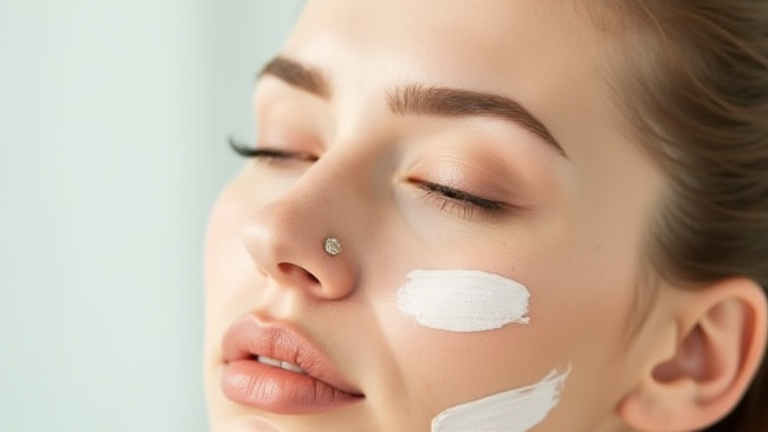
TL;DR: Skincare brands are obsessed with niacinamide because it is a low-cost, highly stable, multi-functional ingredient that delivers visible results across redness, oil control, and barrier repair, making it easy to market to nearly every skin type. Surging consumer demand, backed by double-digit market growth and strong clinical validation, has turned it into a near-mandatory hero ingredient in new product launches.
A Molecule Built for Modern Marketing
Niacinamide, a form of vitamin B3, has moved from a niche dermatology staple to the centerpiece of mass and prestige skincare lines alike. According to market research firms, the global niacinamide skincare segment has been growing at a compound annual rate of roughly 8–10% in recent years, with the broader vitamin B3 cosmetics category projected to surpass several billion dollars by the late 2020s. The ingredient now appears in serums, moisturizers, cleansers, sunscreens, and even body care, often marketed at concentrations between 2% and 10%.
If you want to dig deeper, check out our guide on Hybrid-First Remote Work Policies: RTO Strategy Guide for HR.
Experts point to a rare combination of attributes. “Niacinamide checks nearly every box a formulator and a marketer could want,” says Dr. Lena Whitfield, a cosmetic chemist who advises indie beauty brands. “It is water-soluble, pH-stable, compatible with most actives, and supported by decades of clinical literature on sebum regulation, barrier function, and pigmentation.” Unlike retinol or vitamin C, it rarely triggers irritation at typical use levels, which lowers the risk of returns and negative reviews—a critical factor for brands scaling quickly on e-commerce.
Why the Obsession Is Intensifying
Social media has amplified the trend. Dermatologists and “skinfluencers” routinely recommend niacinamide as a beginner-friendly active, driving search volume and repeat purchases. Brands have responded with combination formulas pairing it with hyaluronic acid, zinc, and ceramides, creating endless product narratives. Supply chain economics also favor it: niacinamide is inexpensive relative to peptides or exotic botanicals, allowing healthy margins even at accessible price points.
Looking ahead, analysts expect the ingredient to shift from a differentiator to a baseline expectation, similar to hyaluronic acid. Future innovation will likely focus on delivery systems, optimized concentrations, and clinical claims around microbiome support and pollution defense. Some experts predict consolidation, with brands competing less on whether they include niacinamide and more on formulation elegance and verified efficacy.
FAQ
Q: What concentration of niacinamide is most effective?
A: Most clinical evidence supports 2–5% for barrier support and oil control, while 5–10% may help with pigmentation; higher percentages do not necessarily improve results and can increase irritation risk for sensitive skin.
Q: Can niacinamide be used with vitamin C or retinol?
A: Yes. Modern formulations are stable enough to combine niacinamide with vitamin C and retinol; the old advice against mixing them is largely outdated, though introducing actives gradually is still wise.
Q: Is niacinamide suitable for all skin types?
A: It is generally well tolerated by oily, dry, and sensitive skin, but anyone with a known B3 sensitivity should patch test and start with lower concentrations.
Leave a Reply