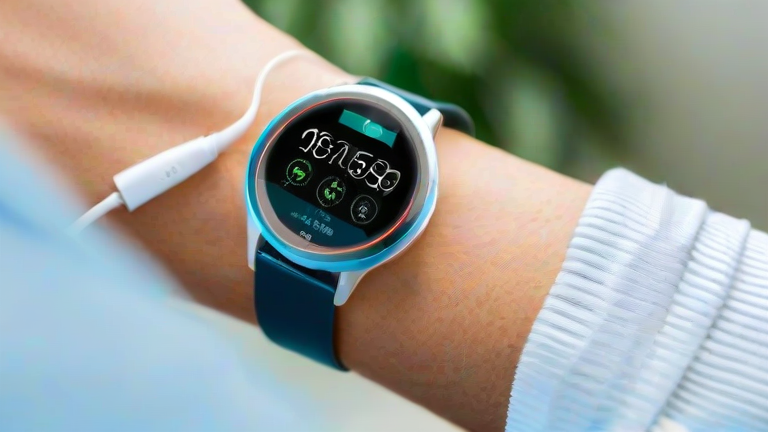
Wearables Go Beyond Tracking: How They Predict Illness
TL;DR: Wearable devices now leverage advanced algorithms to detect subtle physiological anomalies before clinical symptoms appear. This shift transforms health monitoring from reactive record-keeping into proactive early warning systems.
The wearable health technology market is experiencing a paradigm shift, moving away from simple activity logging toward predictive analytics. According to recent industry reports, the global wearable market is projected to reach $110 billion by 2025, driven largely by consumer demand for personalized health insights. No longer satisfied with counting steps or calories, users increasingly seek devices that can identify potential health risks before they become critical emergencies. This evolution is fueled by the integration of artificial intelligence and machine learning into consumer-grade hardware, allowing for real-time processing of complex biometric data.
If you want to dig deeper, check out our guide on Open-Source AI Models Close the Gap With Frontier Labs.
Experts in digital health emphasize that the true value of these devices lies in their ability to analyze continuous data streams rather than isolated snapshots. Dr. Elena Rossi, a leading bioinformatics researcher, notes that traditional medical checks occur infrequently, missing the subtle drifts in heart rate variability, sleep architecture, and respiratory patterns that often precede illness. “The gap between two doctor visits is where health is often lost or gained,” Rossi explains. “Wearables close this gap by monitoring the body 24/7, identifying deviations from an individual’s baseline that might indicate an impending infection, cardiac event, or metabolic disorder.”
Market data supports this trend, with a significant surge in sales for devices featuring electrocardiogram (ECG) capabilities and continuous blood oxygen monitoring. Consumers are no longer just buying fitness trackers; they are purchasing health insurance supplements that offer peace of mind. Insurance companies are taking notice, beginning to integrate wearable data into risk assessment models, which could lower premiums for users who maintain healthy baselines. This symbiotic relationship between technology and healthcare economics is accelerating adoption rates across all demographics.
Looking ahead, analysts predict the next generation of wearables will incorporate non-invasive glucose monitoring and early detection of neurodegenerative diseases. As data privacy regulations tighten, the focus will shift toward on-device processing to ensure user data remains secure. The future of personal health is not just about tracking what has happened, but predicting what is about to happen. This proactive approach promises to reduce hospital readmissions and lower overall healthcare costs, marking a significant milestone in the history of consumer technology. The era of reactive medicine is slowly giving way to a future of anticipatory care, powered by the smartwatches and bands we already wear.
FAQ
Q: Are these predictions accurate enough to replace medical advice?
A: No, current wearables serve as screening tools that alert users to seek professional medical evaluation; they do not provide definitive diagnoses.
Q: How do wearables detect illness before symptoms appear?
A: They identify subtle changes in heart rate variability, sleep patterns, and respiratory rates that deviate from the user’s established personal baseline.
Q: What is the biggest challenge facing this market growth?
A: Data privacy and the need for rigorous clinical validation to ensure that predictive algorithms are reliable across diverse populations.
Leave a Reply