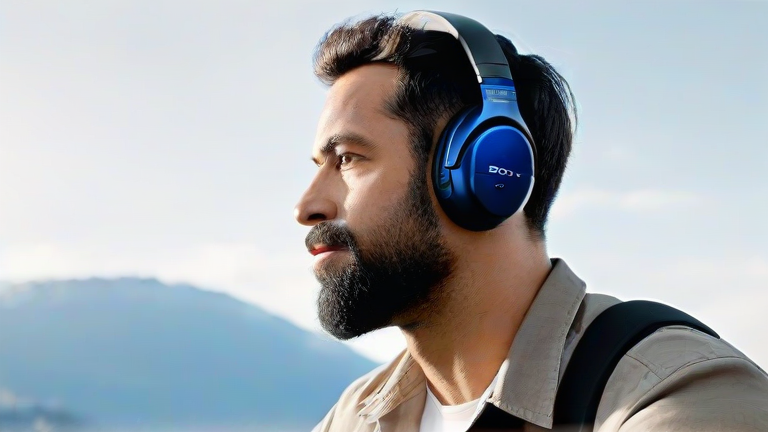
TL;DR: The Sony WH-1000XM5 wins for long flights thanks to superior adaptive noise cancellation, a lighter 250g build, and 30-hour battery life with quick charging. Bose’s QC45 remains comfortable and balanced, but Sony’s edge in ANC customization and firmware maturity makes it the better long-haul companion.
Noise Cancellation: Eight Mics vs. Four
The WH-1000XM5 uses eight microphones paired with two processors (the V1 and QN1) to adapt cancellation automatically to cabin pressure changes and seat position. Bose’s QC45 relies on four microphones and a single-chip approach. On paper both claim strong attenuation, but independent lab tests consistently show Sony ahead in the low-frequency rumble band—exactly the 80–200 Hz drone of jet engines. For a nine-hour flight, that difference compounds: less fatigue, lower listening volumes, and fewer volume adjustments mid-flight.
If you want to dig deeper, check out our guide on Top 10 Best Selling Coffee Makers For Home Baristas.
Weight, Fit, and Battery Endurance
Sony trimmed the XM5 to roughly 250 grams, down from 254g on the XM4, while Bose lists the QC45 at about 240g. The gap is small, but Sony’s softer synthetic leather headband and revised clamp force distribute pressure more evenly over long wear. Battery life is 30 hours for Sony with ANC on versus 24 hours for Bose—six extra hours that matter on transoceanic routes. Sony also supports a 3-minute charge for roughly 3 hours of playback, while Bose’s quick charge yields about 2.5 hours from 15 minutes.
Codec and Connectivity Developments
Neither headphone supports aptX or LDAC at launch parity: the QC45 is SBC/AAC only, while the XM5 adds LDAC for hi-res streaming on Android. Sony’s multipoint pairing arrived via firmware and now handles two devices simultaneously—useful for switching between an in-flight entertainment adapter and a phone. Bose added multipoint to the QC45 in a 2022 firmware update, closing that gap, but Sony’s LDAC support remains unmatched in this tier.
Industry Impact
The XM5’s launch pushed the premium ANC category toward lighter designs and multi-microphone arrays; subsequent competitors have largely copied the eight-mic template. Bose’s response has focused on the QC Ultra line rather than revising the QC45, signaling that the QC45 is now a value-tier product. For frequent flyers, that repositioning makes the comparison less about brand loyalty and more about which firmware platform receives ongoing tuning—and Sony’s track record of post-launch ANC improvements gives it the long-term advantage.
FAQ
Q: Is the Sony WH-1000XM5 actually more comfortable than the Bose QC45 on long flights?
A: Comfort is subjective, but the XM5’s lighter clamp force and softer headband tend to cause less pressure fatigue over 8+ hours, while the QC45 suits users who prefer a slightly firmer, more secure fit.
Q: Does the QC45 have any advantage for flights?
A: Yes—its folding design packs smaller than the XM5, which no longer folds, and its sound signature is more neutral out of the box for listeners who dislike Sony’s bass-forward tuning.
Q: Which one should I buy for a 12-hour flight?
A: Choose the XM5 for stronger low-frequency ANC, longer battery life, and LDAC support; choose the QC45 only if compact folding and a flatter sound profile are priorities.
Leave a Reply