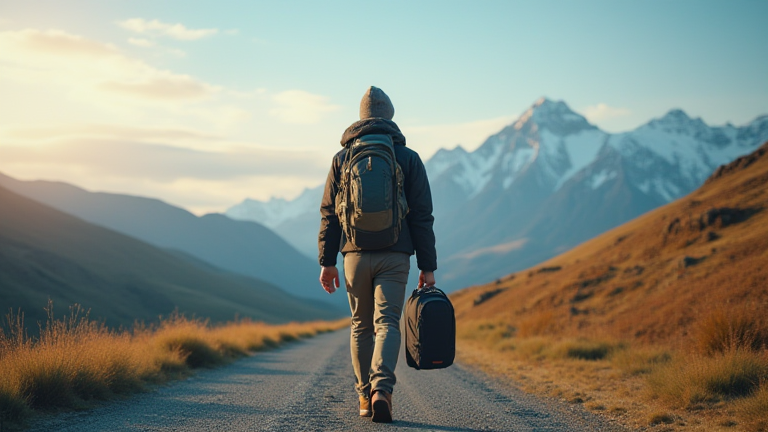
Slow Travel vs. Bucket List: Why Quality Beats Quantity
TL;DR: Slow travel prioritizes deep immersion and meaningful connections over the superficial rush of ticking off famous landmarks. Quality beats quantity because it fosters genuine personal growth and a lasting appreciation for the local culture, rather than leaving you exhausted by a checklist of sights seen but not truly experienced.
For years, the travel industry has sold us a dream defined by volume. We are encouraged to pack our days tight, hopping from city to city, ensuring that every iconic statue, mountain, and beach makes it onto our Instagram feed before we move on. This “bucket list” approach treats destinations like commodities, reducing rich, complex cultures to a series of quick, photographic snapshots. While it offers a sense of accomplishment, it often leaves travelers feeling more drained than refreshed, with little to remember beyond the logistics of transit and the stress of keeping up with the itinerary.
If you want to dig deeper, check out our guide on 7 Simple Daily Habits for Better Health and Longevity.
In contrast, slow travel invites you to pause. It is about staying in one place long enough to learn the rhythm of daily life. Instead of rushing through a museum in an hour, you spend a week exploring local markets, attending community festivals, and striking up conversations with neighbors who share their stories and recipes. This shift changes the dynamic from observer to participant. You are no longer just looking at the culture; you are interacting with it. The food tastes better when you understand its history. The landscapes feel more profound when you walk them rather than drive past them.
From a personal growth perspective, slow travel challenges our modern addiction to efficiency. It teaches us patience and presence. When you stop chasing the next destination, you begin to notice the subtle details: the way light hits a cobblestone street at dawn, the specific dialect used in a local bakery, or the quiet satisfaction of mastering a simple local craft. These moments create neural pathways of memory that are far more robust than the fleeting impressions of a hurried visit. You return home not just with photos, but with a changed perspective and a deeper empathy for the world around you.
Ultimately, the goal of travel should be expansion of the self, not just expansion of the map. By choosing depth over breadth, you allow yourself to truly connect with the places you visit. You stop collecting places and start experiencing them. This approach ensures that your travels leave a lasting imprint on your soul, proving that a single, deeply felt week in a foreign city is worth more than a month of frantic, superficial touring.
FAQ
Q: Is slow travel more expensive than bucket-list travel?
A: Not necessarily. While staying in one place longer can increase accommodation costs, it often reduces daily expenses like food and transport, and allows for better budget planning compared to the high-cost, last-minute bookings common in fast-paced travel.
Q: How long should I stay in a destination to practice slow travel?
A: There is no fixed rule, but most travelers find that a minimum of three to five days allows enough time to settle into a routine, move past the tourist areas, and begin genuine interactions with locals.
Q: Can I combine slow travel with visiting major landmarks?
A: Yes, but it requires prioritization. Choose one or two key landmarks that are essential to your experience and visit them at your own pace, perhaps early in the morning, rather than trying to see every major site in a single day.
Leave a Reply